The book is finished.GIBBS: The Forgotten Warrior of the First New York Dragoons, by Garland H. Green Jr. How to order is coming soon; you can reserve a copy now. Reserve a copy →
Start with the guided reading below, or search this chapter for a person, quotation or topic. Follow the writing and evidence behind this part of GIBBS.
What would you like to explore in The Blackwater?
Go beyond the book · The Blackwater
Follow a winter march through a soldier’s attention
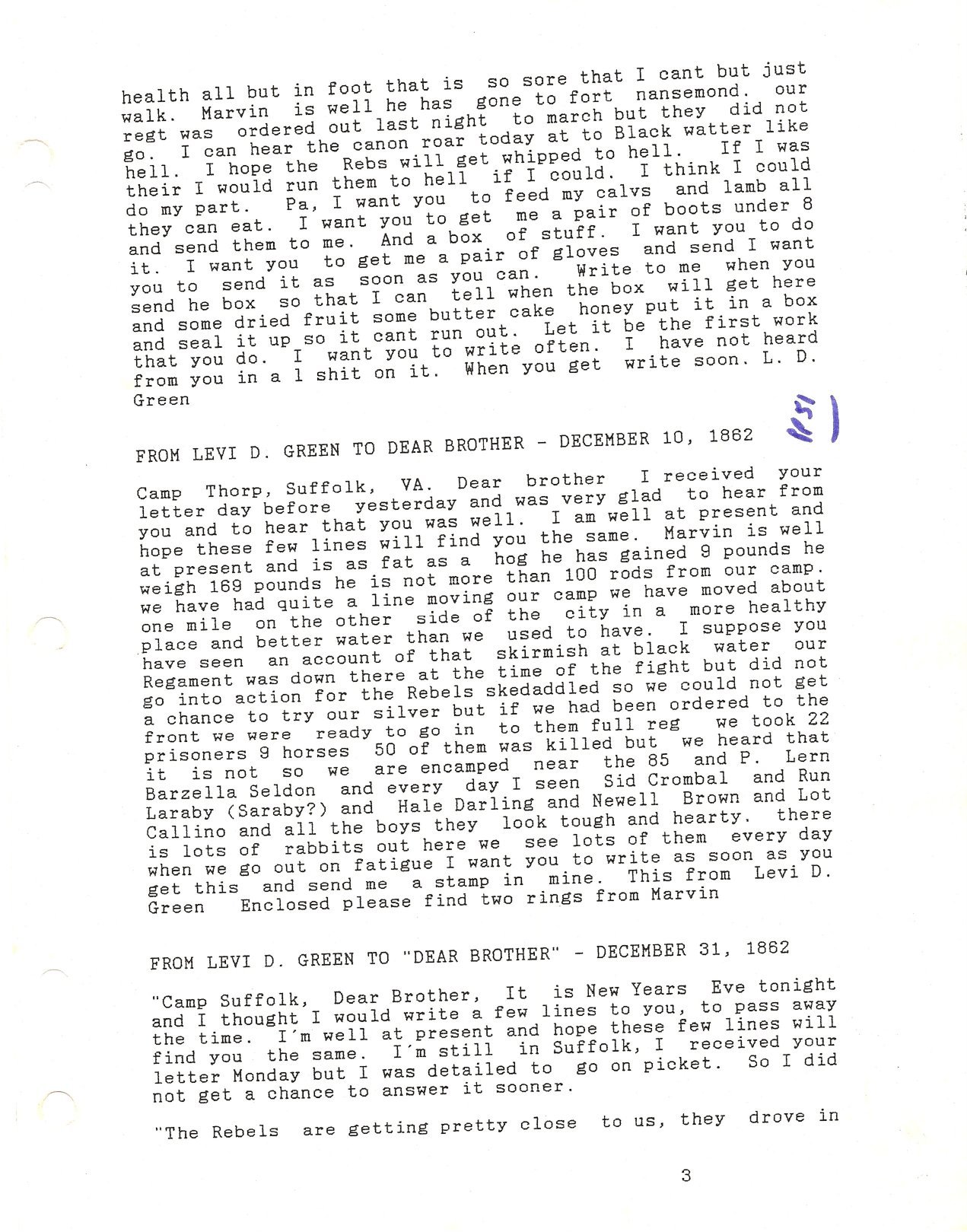
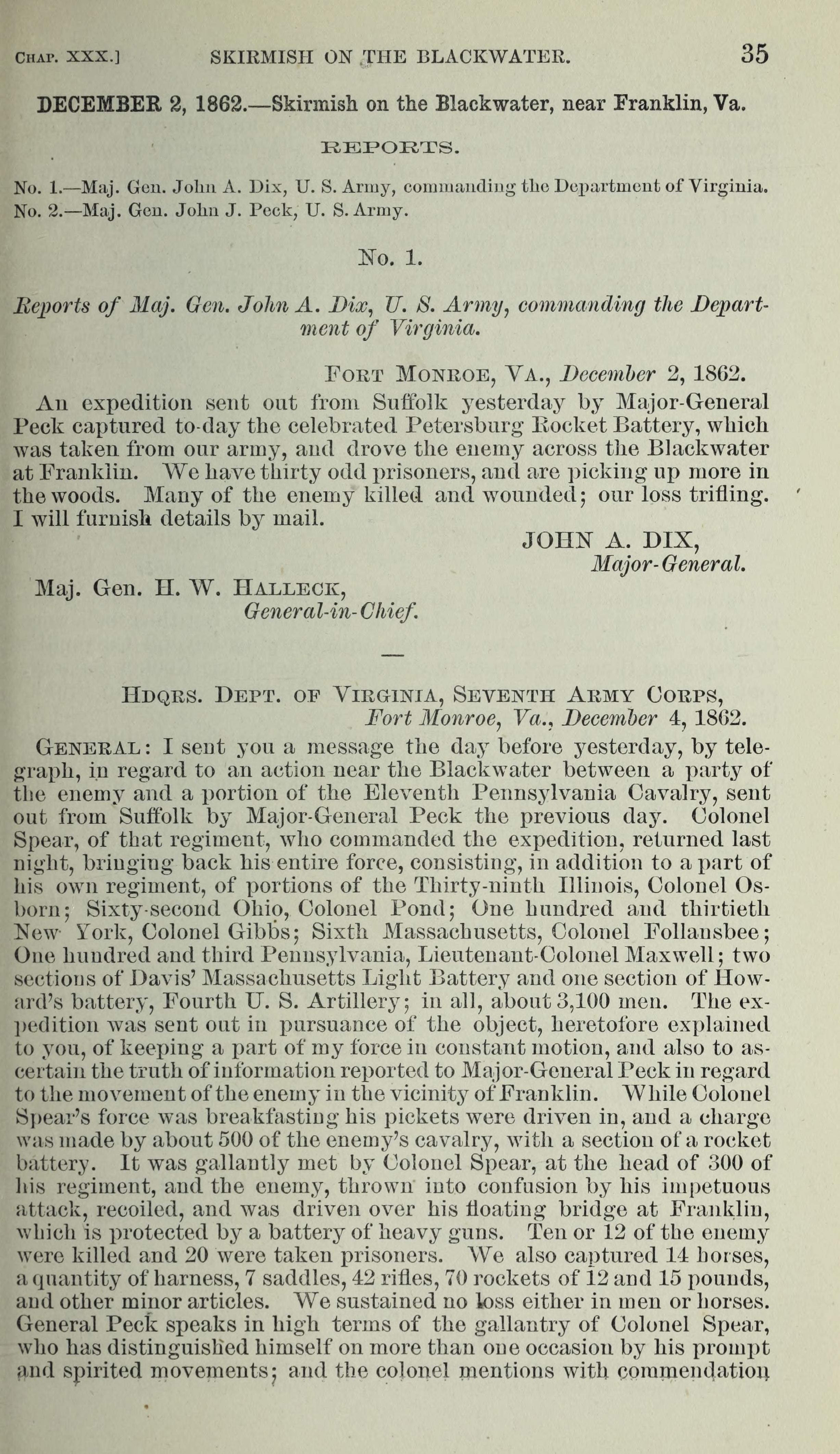
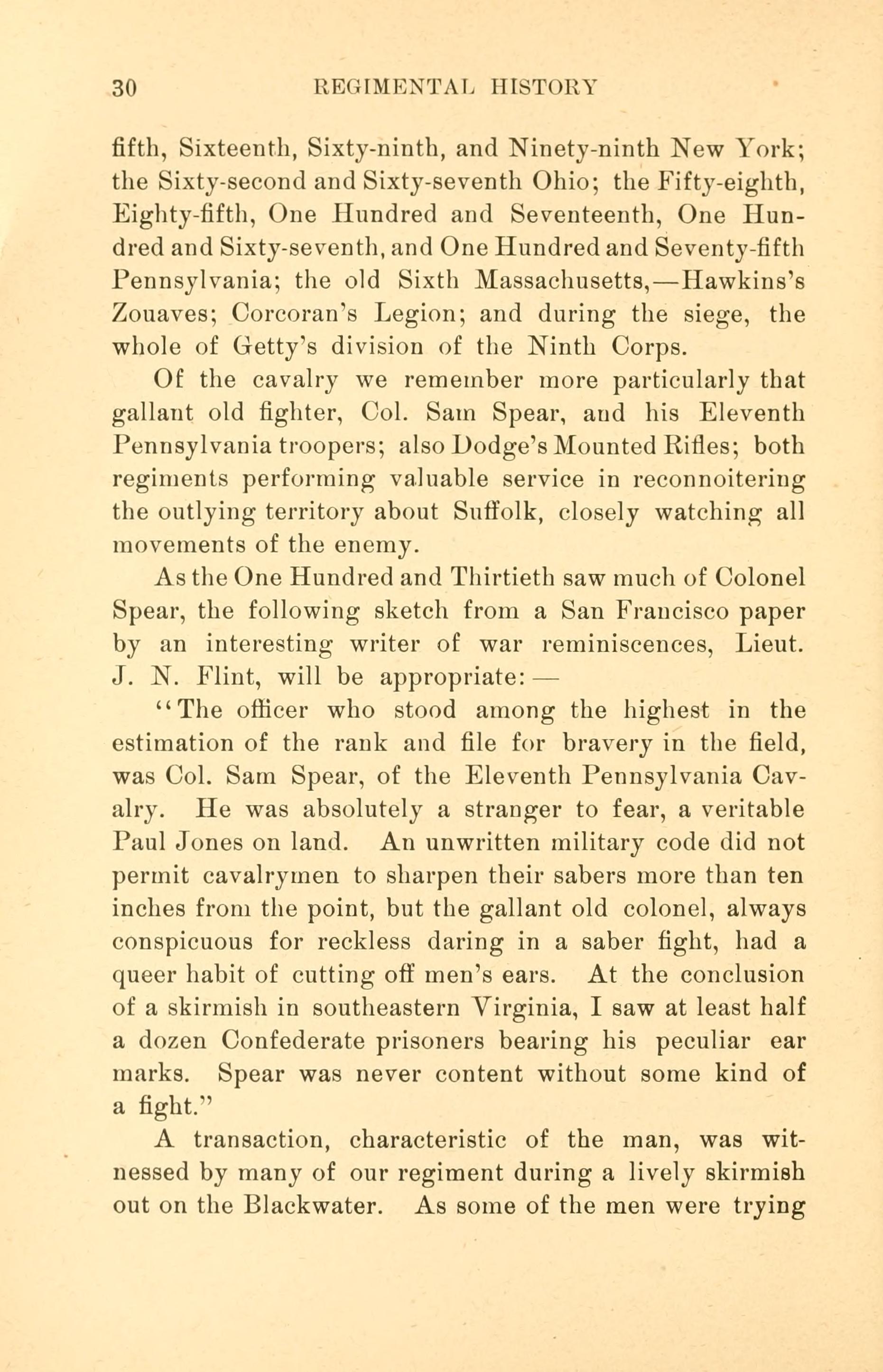
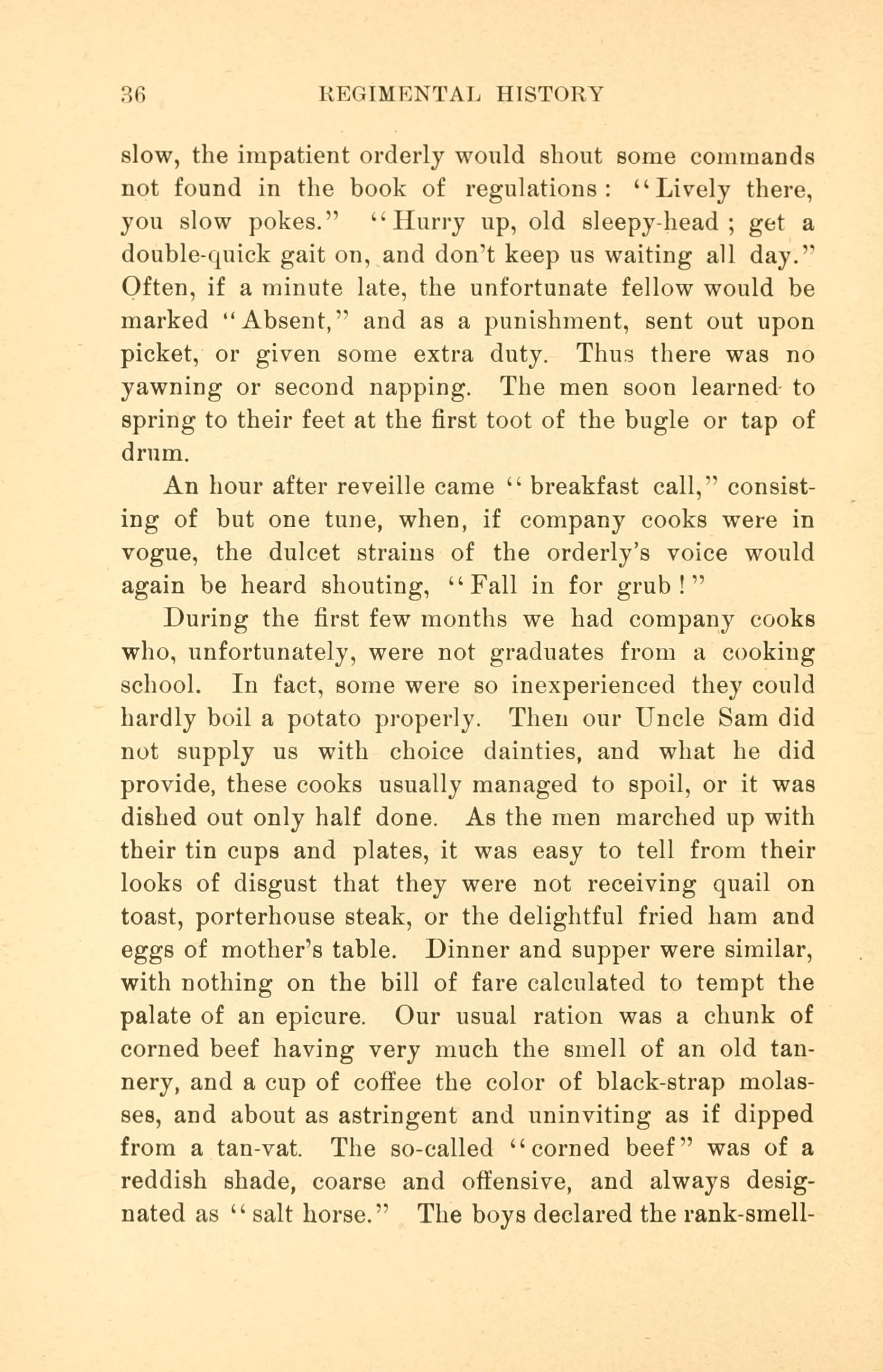
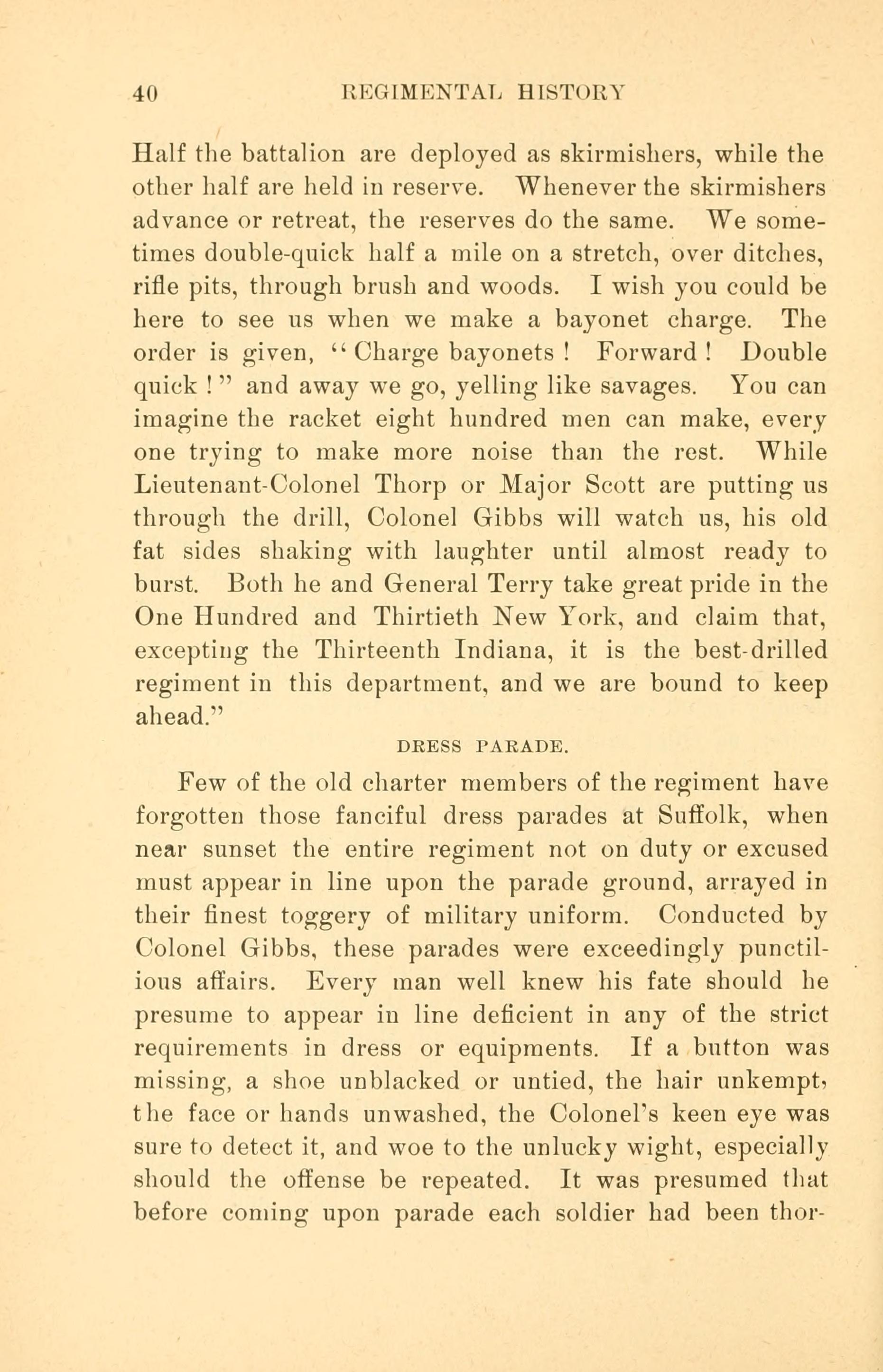
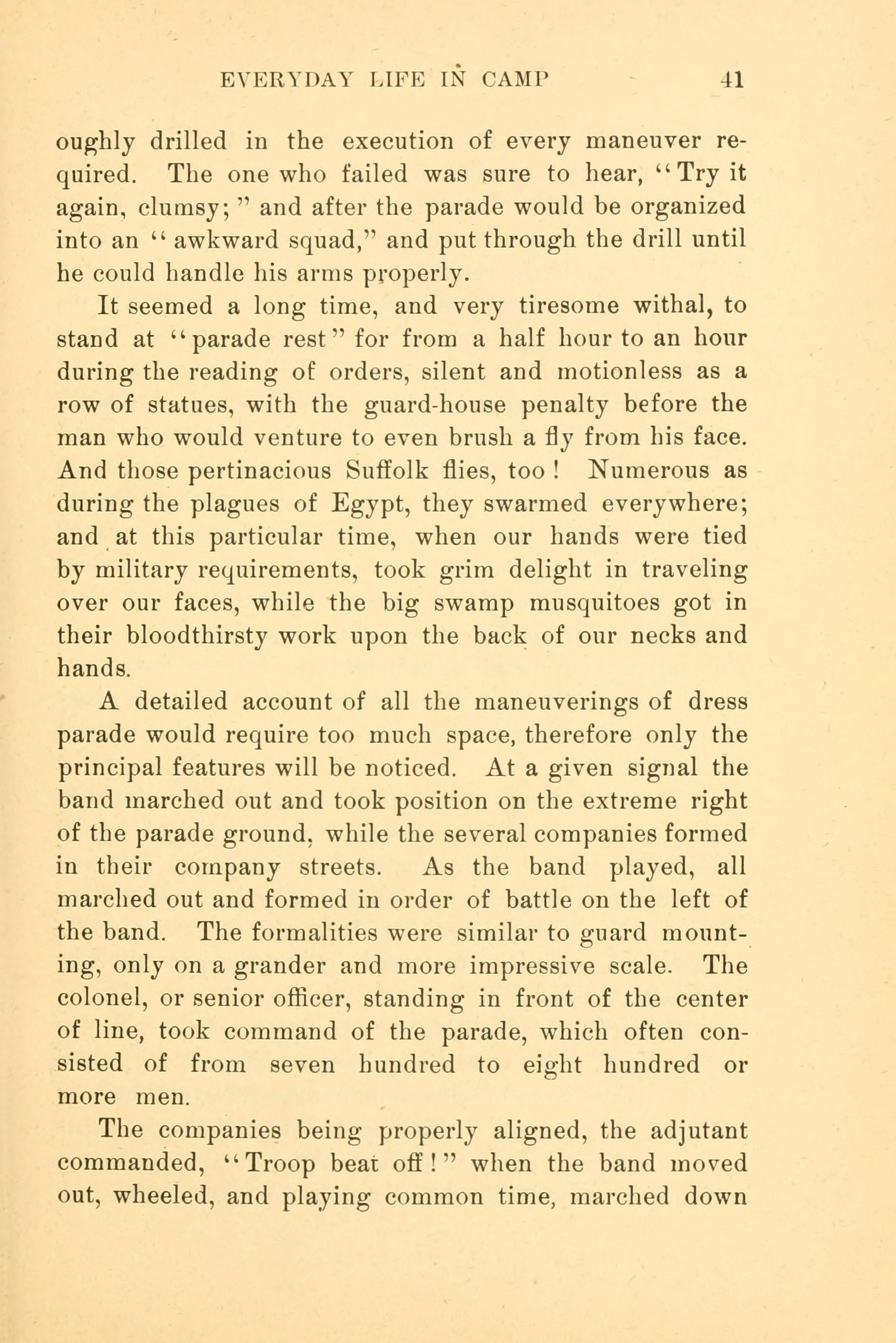
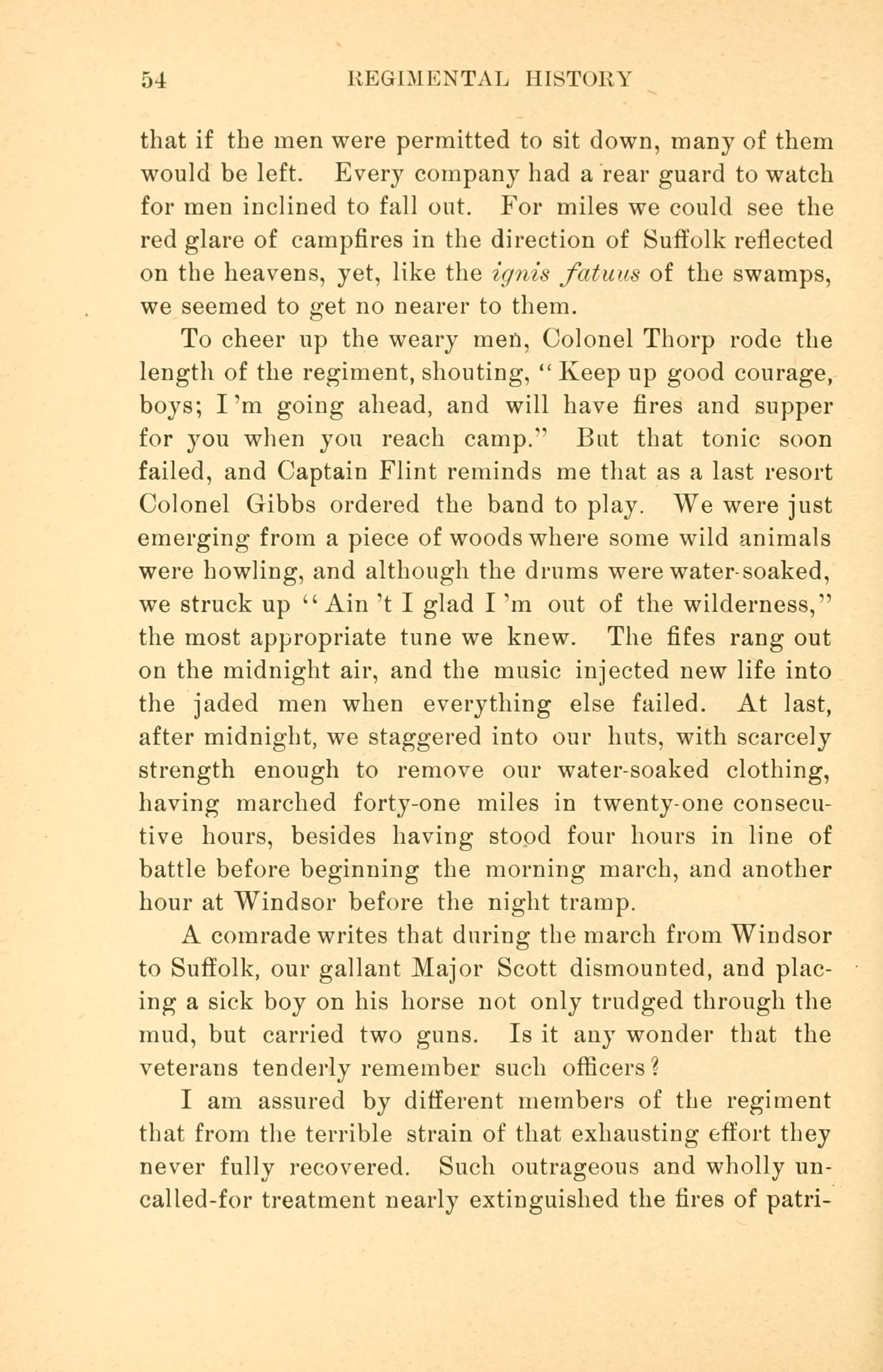
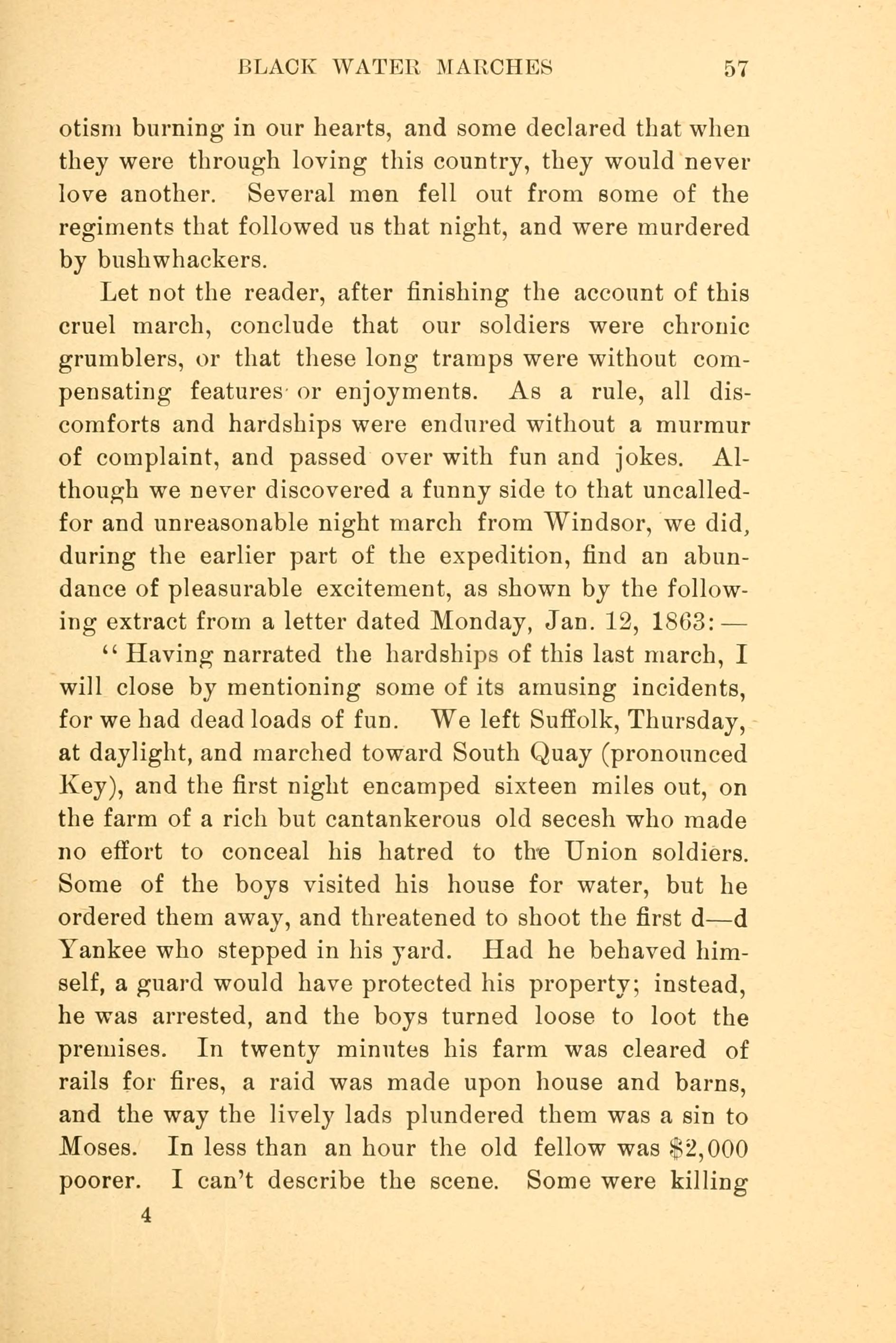
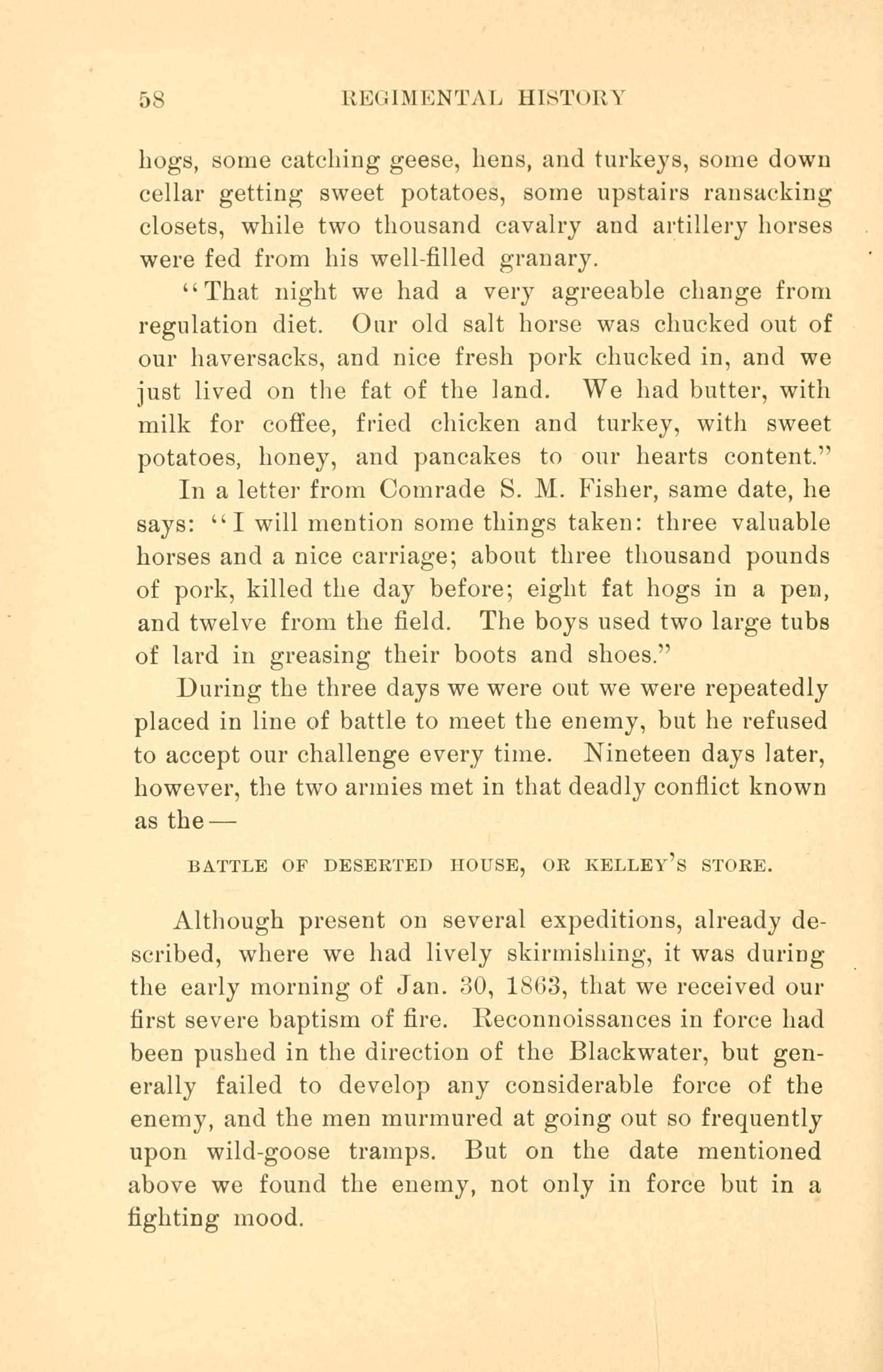
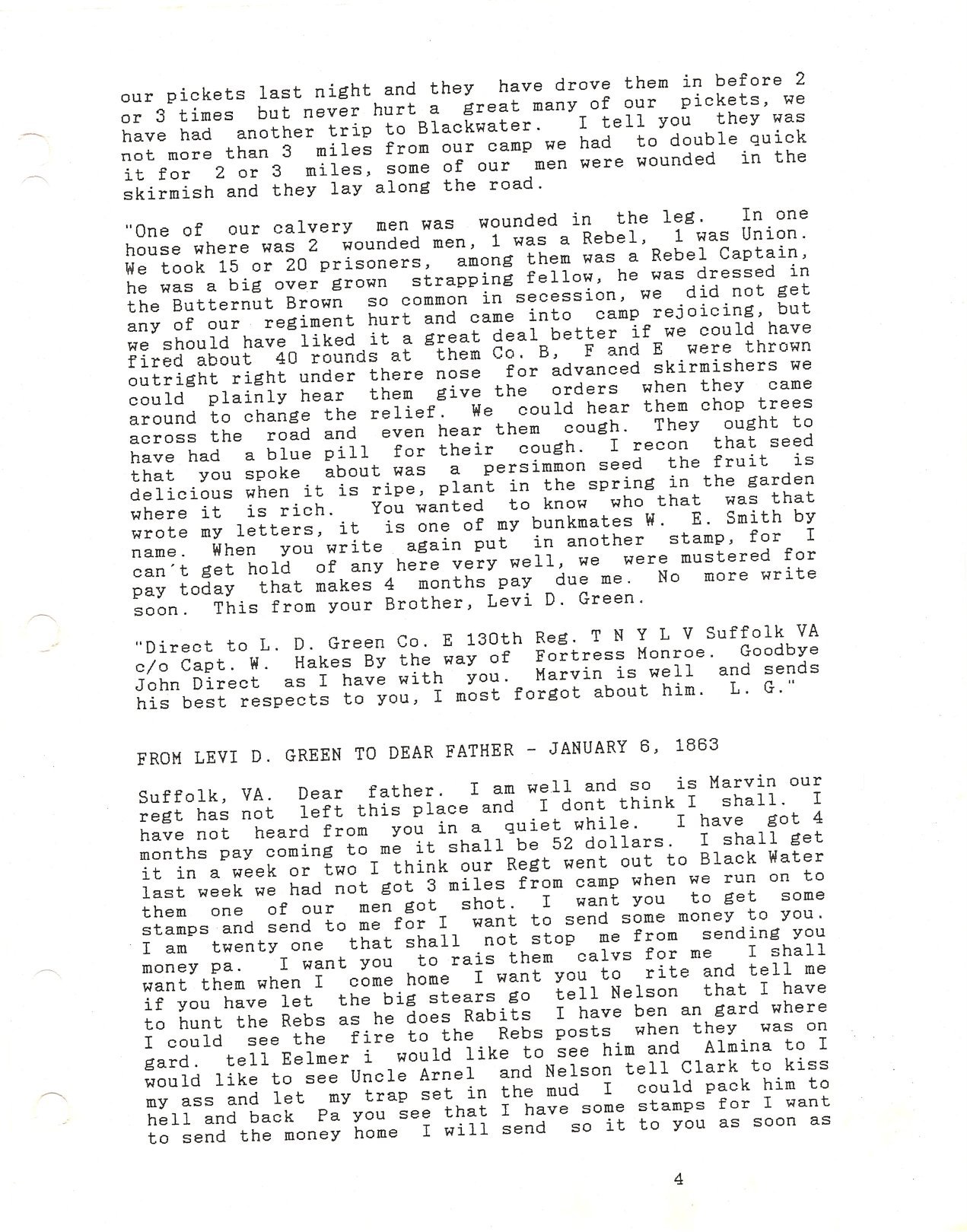
This chapter’s Blackwater roads were experienced through exhausting marches, camp routines, and news sent home. Levi’s letter of December 31, 1862, lets readers approach that winter from inside it.
New to these records? A little context.
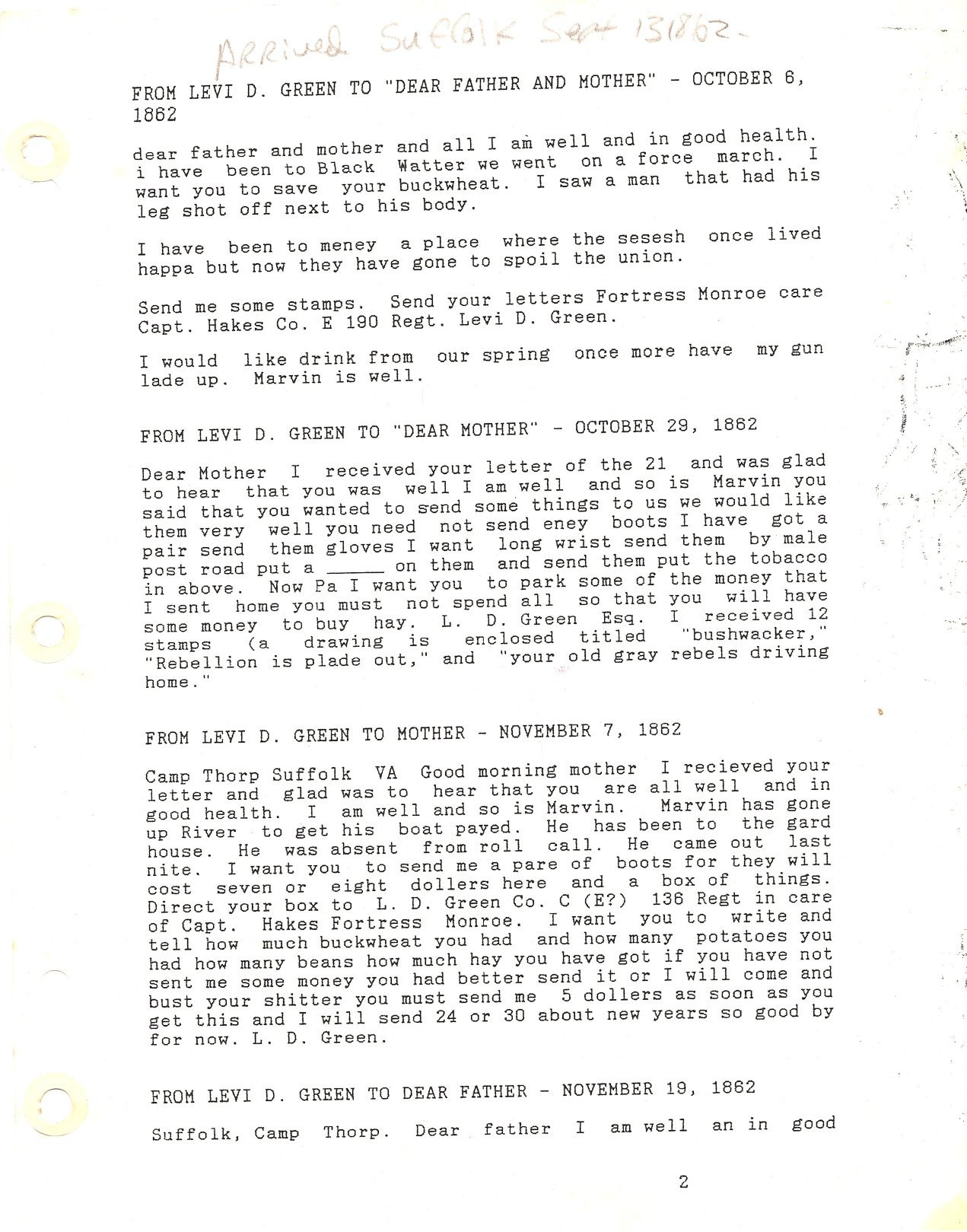
A transcription records the words of a letter. A typescript is a typed copy, which may survive even when the handwritten original is not on display. The linked account identifies the version it preserves; later explanatory paragraphs are not part of the letter.
What mattered to Levi on the last night of 1862?
Green Family Letters, Marjorie Kuski typescript, page 03 · From the linked account. Its original credits and image status are preserved there.
Read the source exhibit & its explanation
Levi to his brother, December 31, 1862
The letter describes the Blackwater journey while also attending to a persimmon seed and postage. Those ordinary details help recover a soldier’s perspective without pretending he knew the war’s future.
What to examine: Read the typescript pages and find the march, the wounded, and the requests home. Compare Levi’s attention with the later historical context supplied by the article.
Keep this distinction in mind: The introduction knows events that happened after the letter. Do not attribute that later knowledge to Levi or infer his views from what he does not mention.
Keep your question in view as you explore. The reading tray retains The Blackwater. Close it to return to this point, or deliberately choose to explore outside the chapter.
Follow a life beyond the page
People you meet here
The book brings you into these lives. Follow a person to the family, service and research records available here. Pension material is identified separately from biography and recollection.
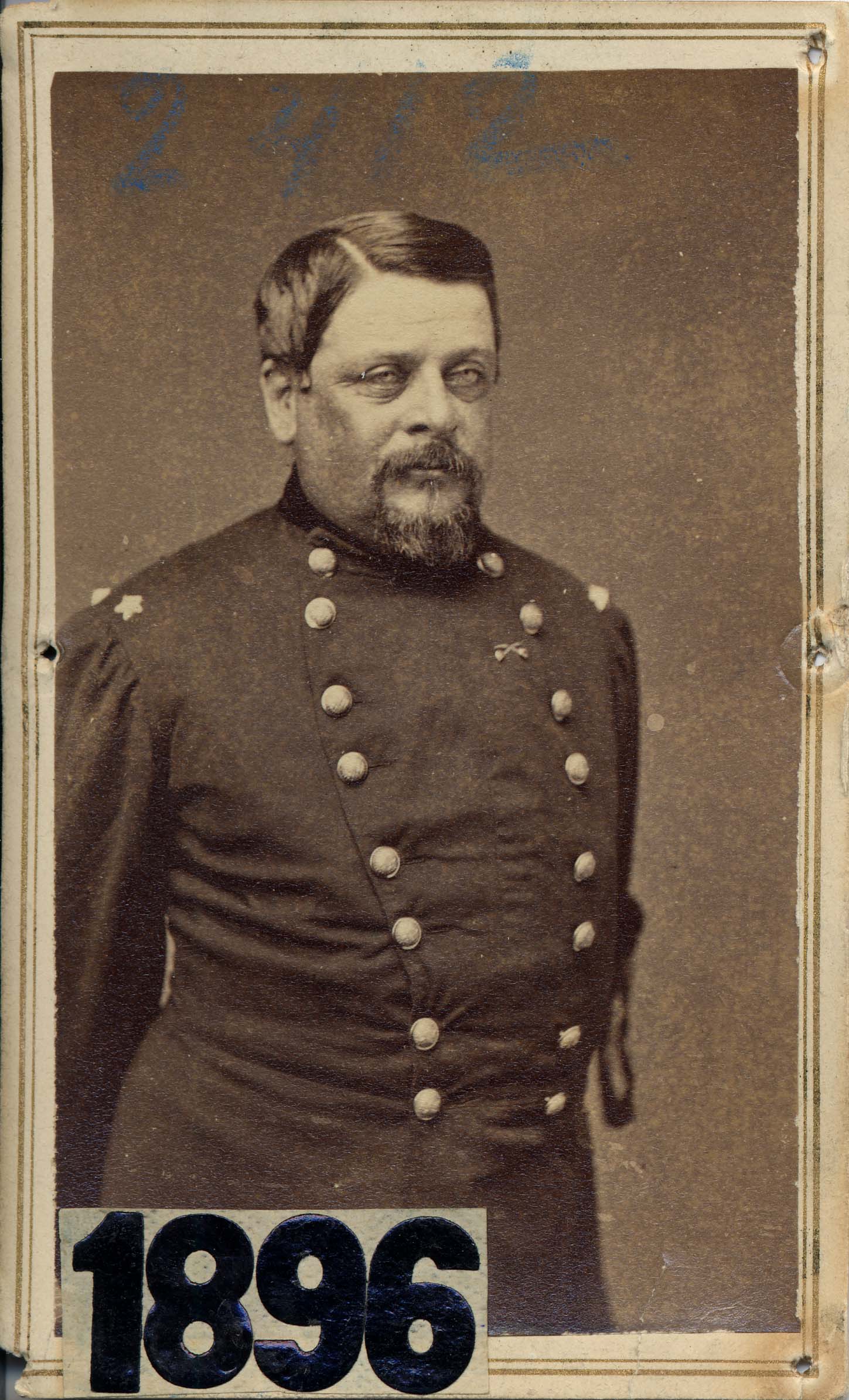
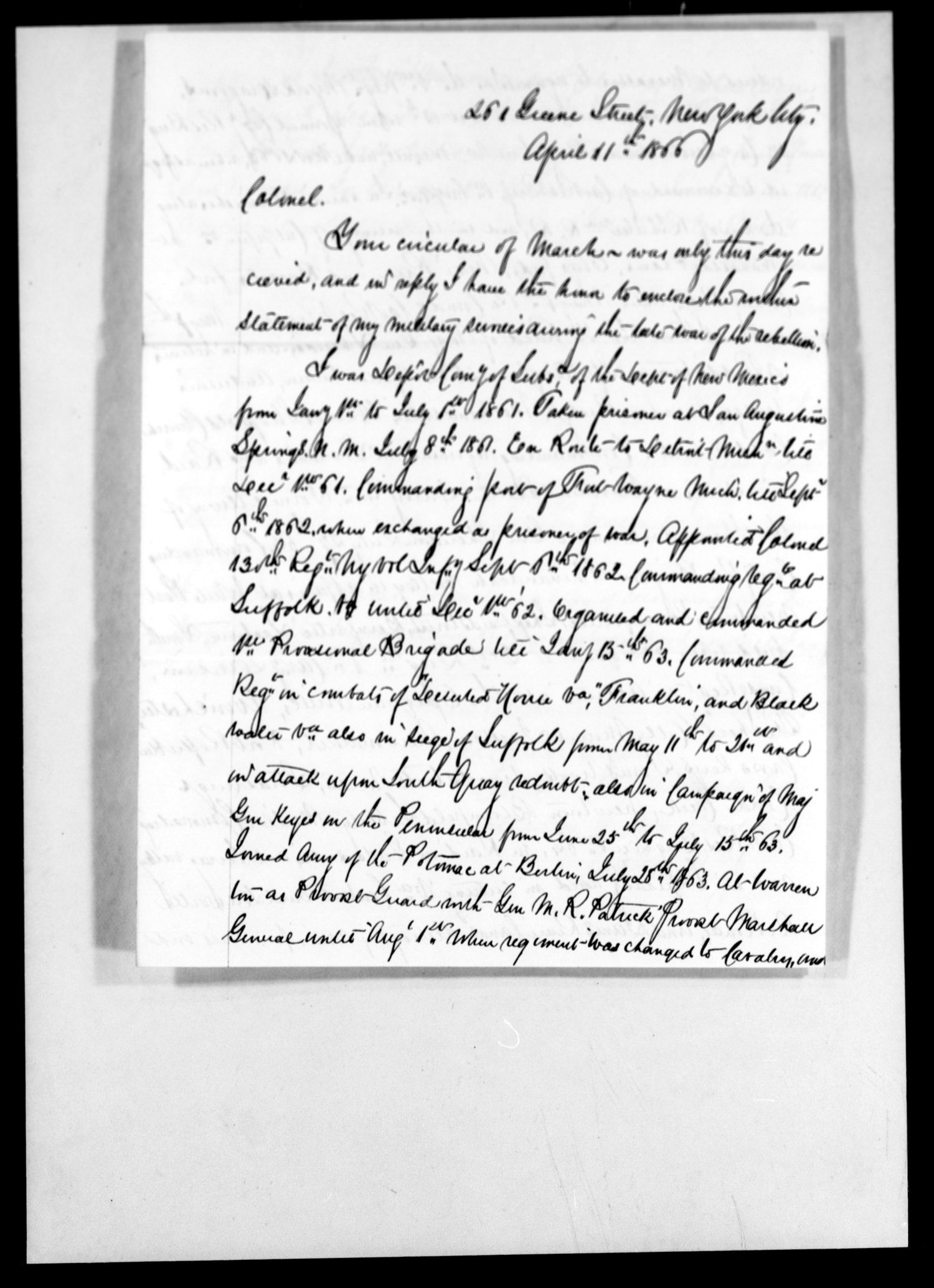
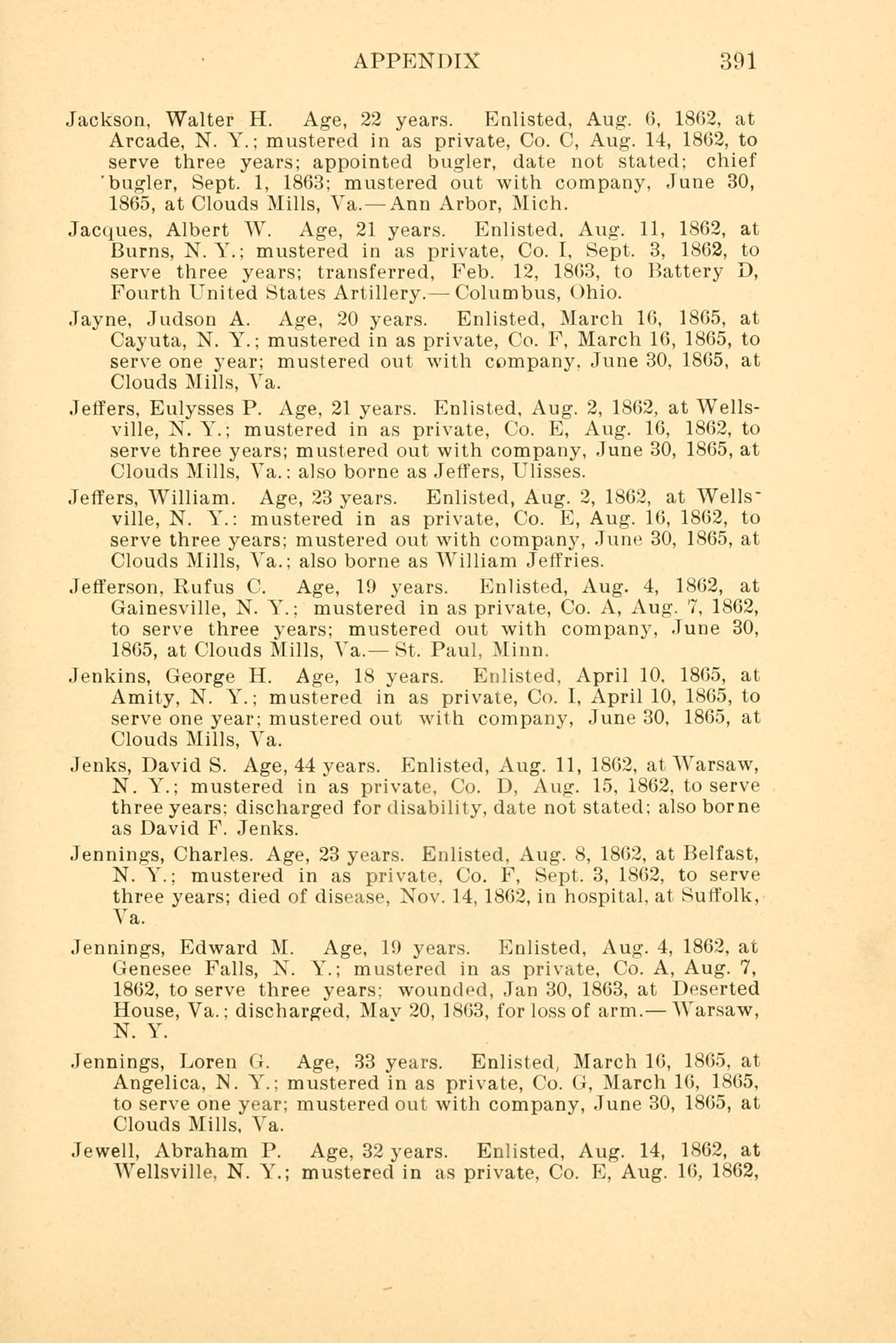
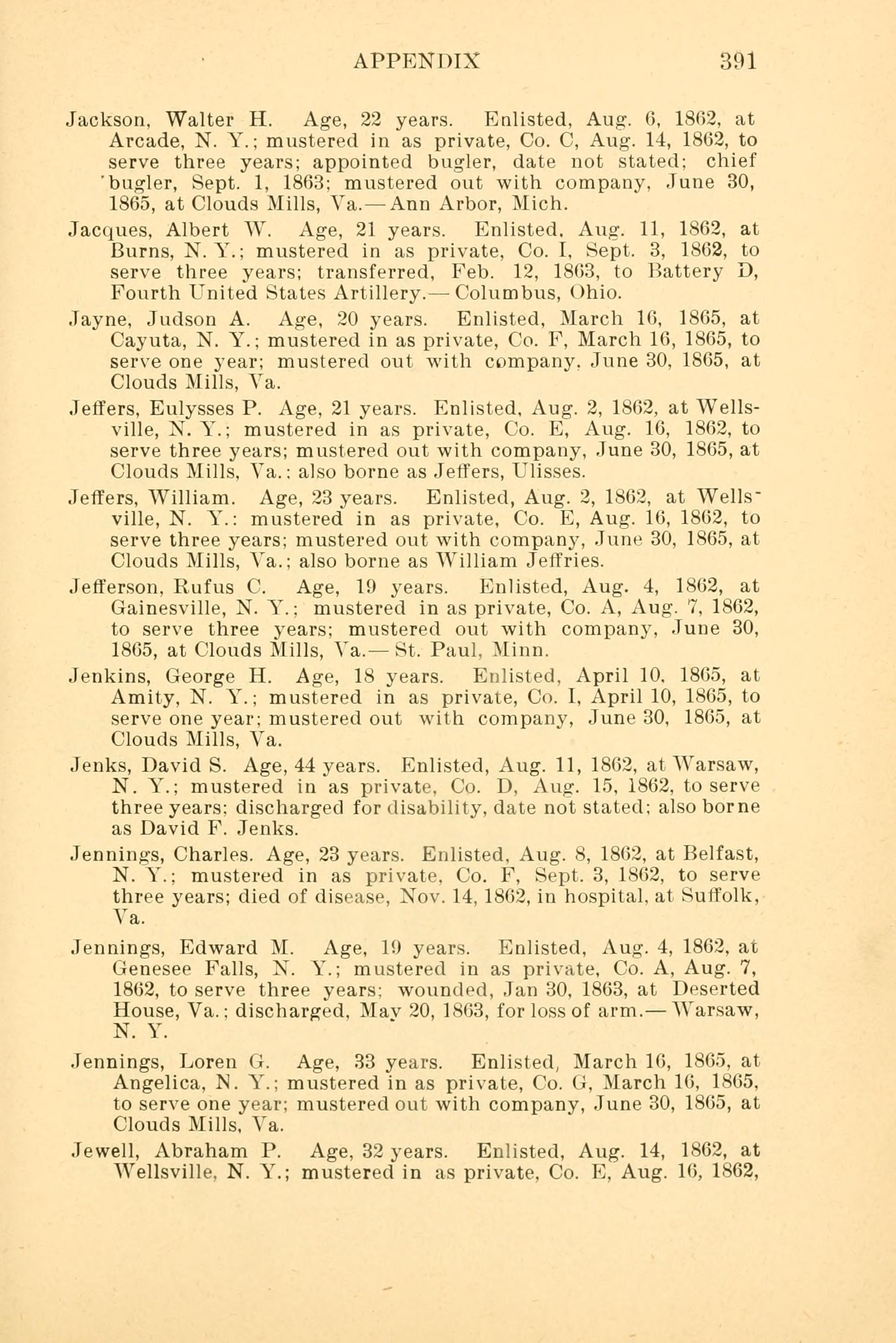
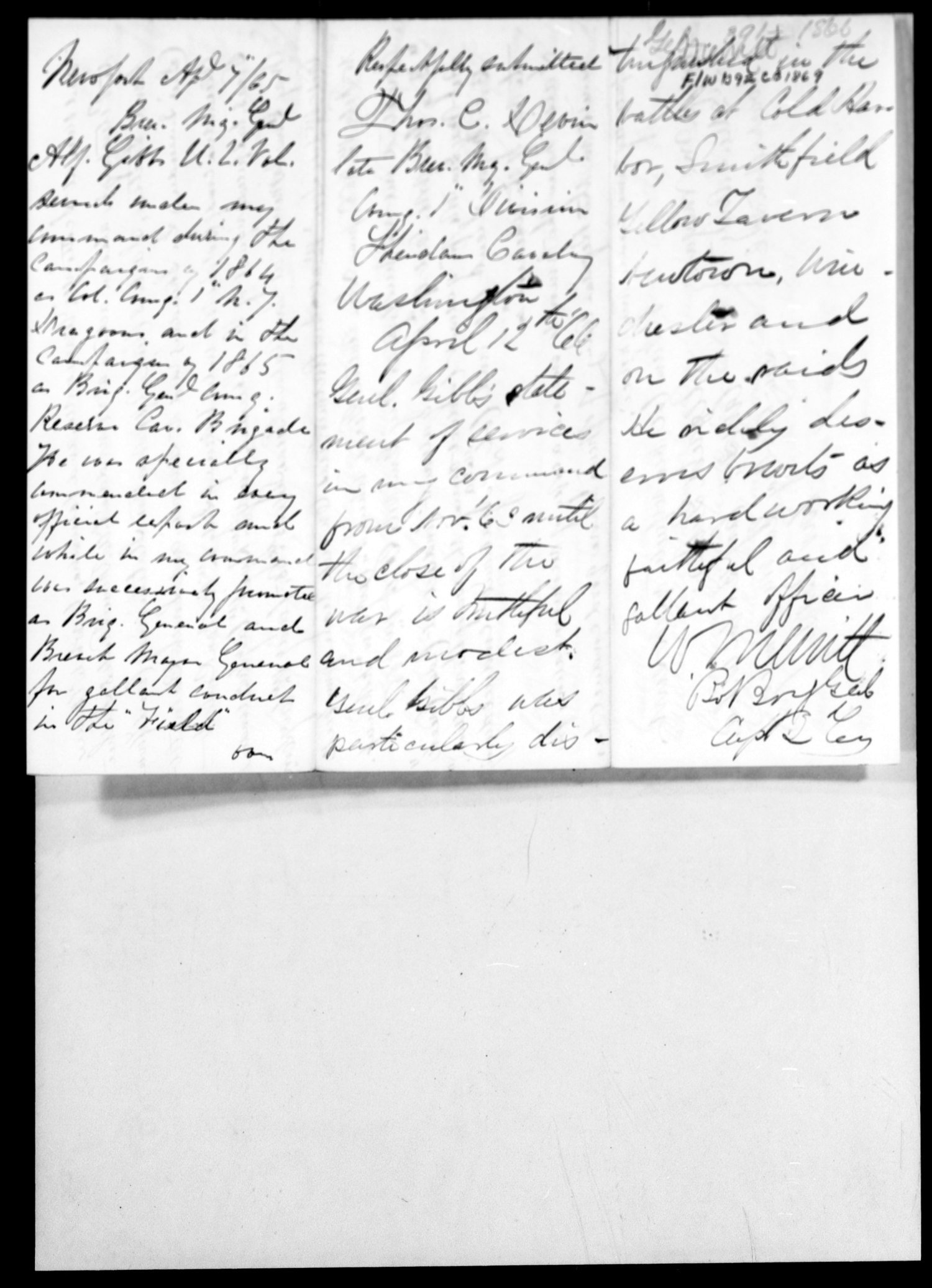
Follow Gibbs through the service and medical records, then Peggy’s petitions after his death. These sources let you distinguish what a doctor observed, what a widow asked for and what an official record actually establishes.
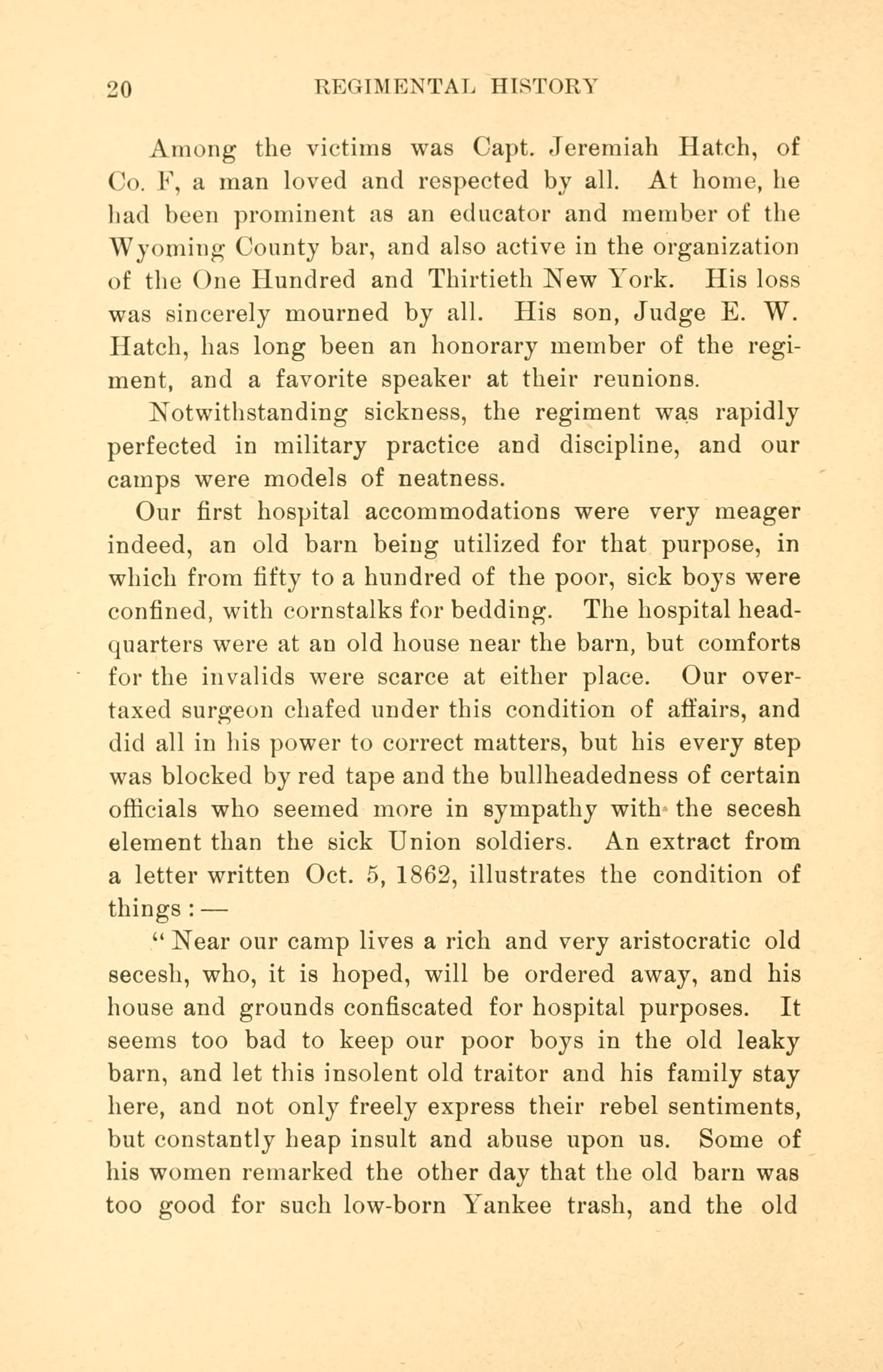
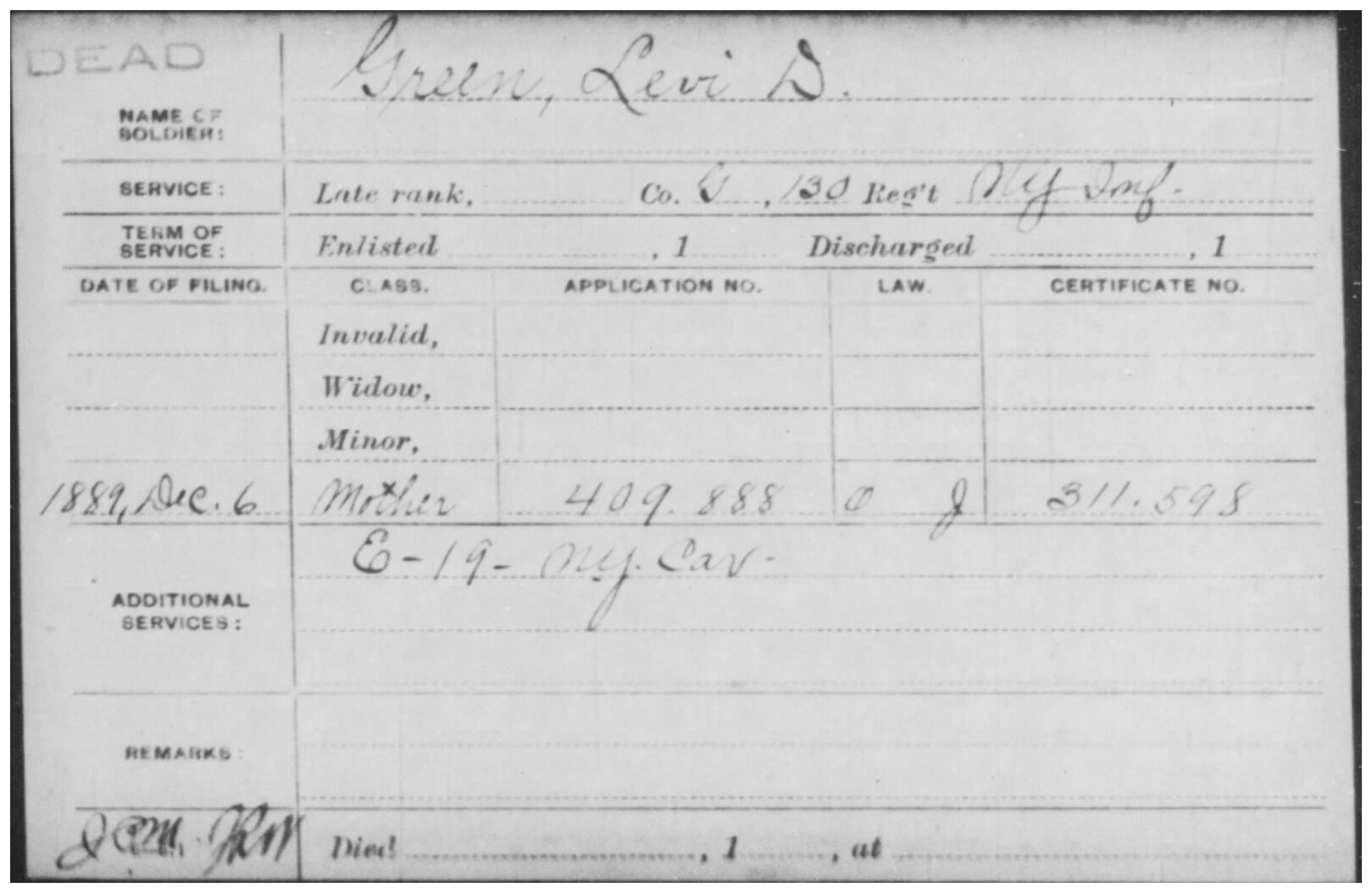
Letters, captivity records and a disputed-looking burial trail reveal different parts of Levi's life. Follow the evidence used to distinguish L. D. Green from another man buried nearby, and the pension records connected to his mother.
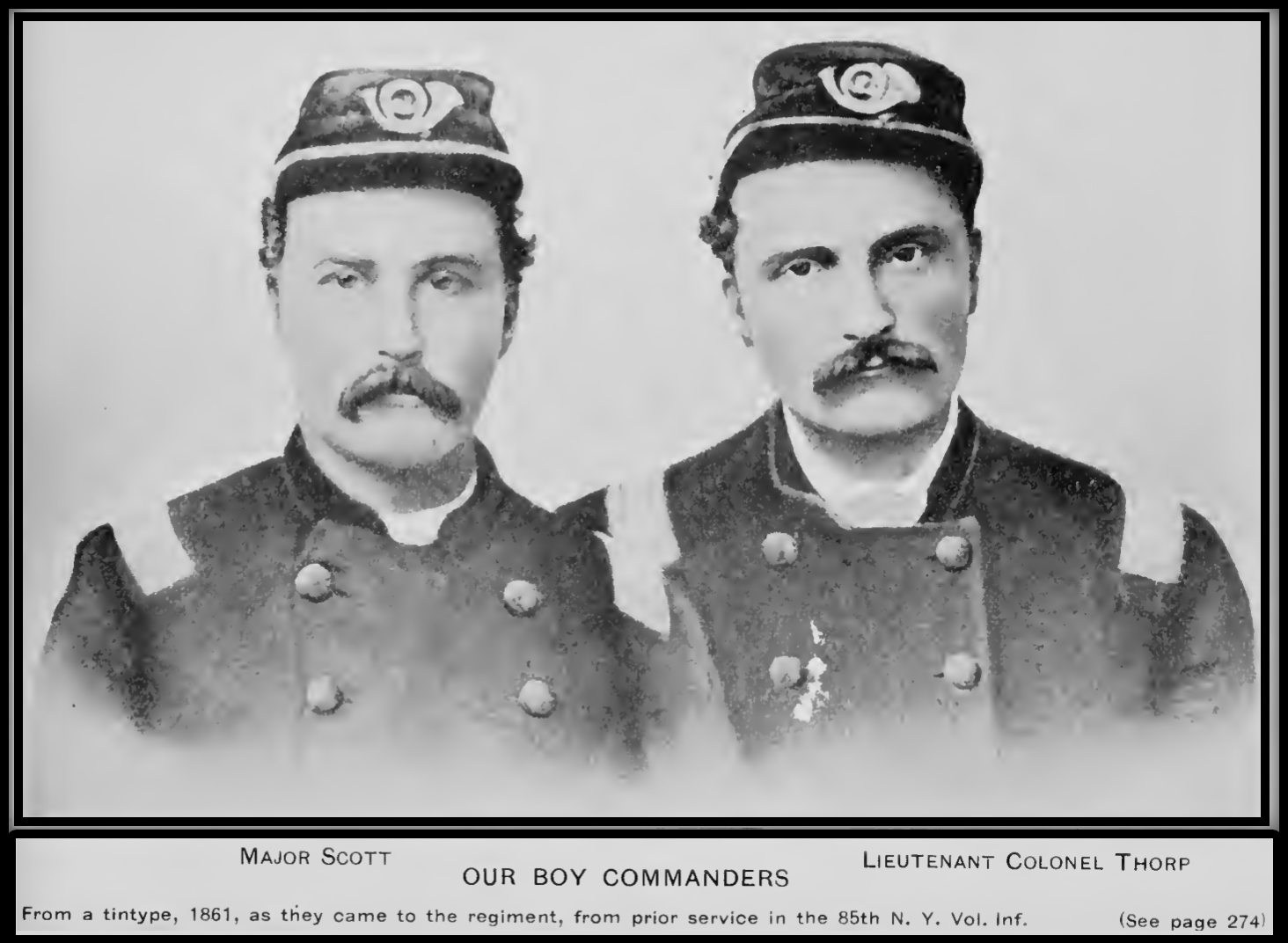
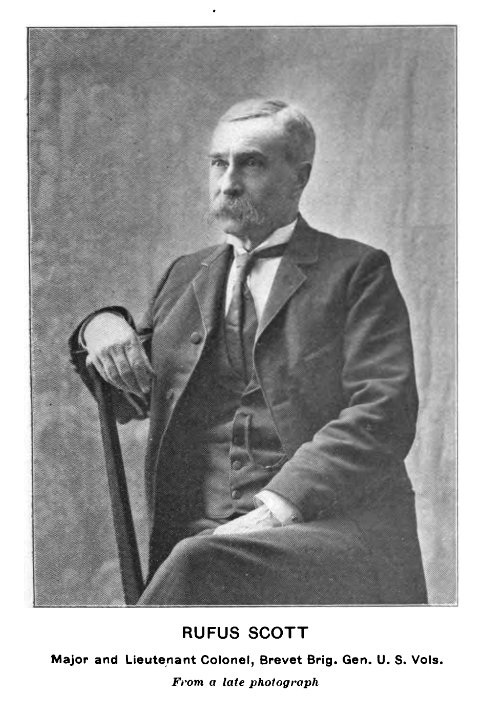
Scott was an experienced officer, a remembered helper of a sick soldier and a contact in Burdick's widow's pension trail. His biography connects command with the regiment's local networks.
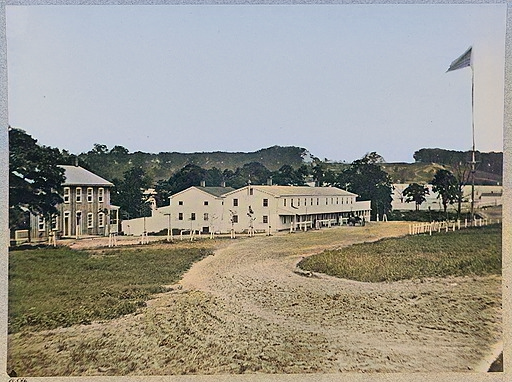
The surgeon examined recruits, managed the hospital and later testified about Gibbs's health. His position matters when deciding what he could observe directly and what was a medical opinion.
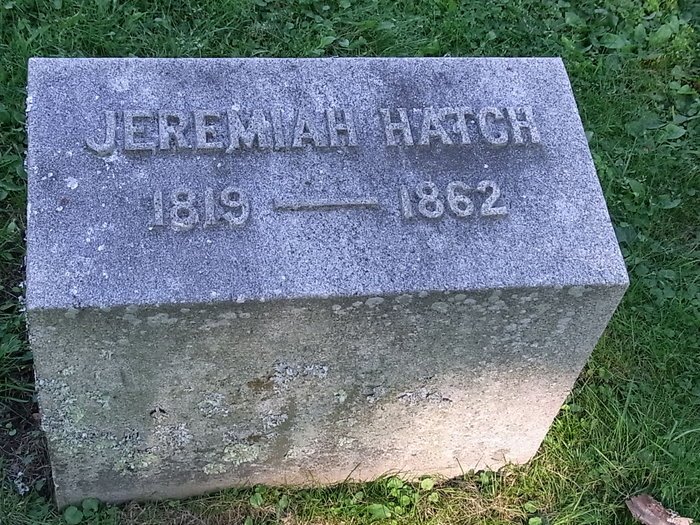
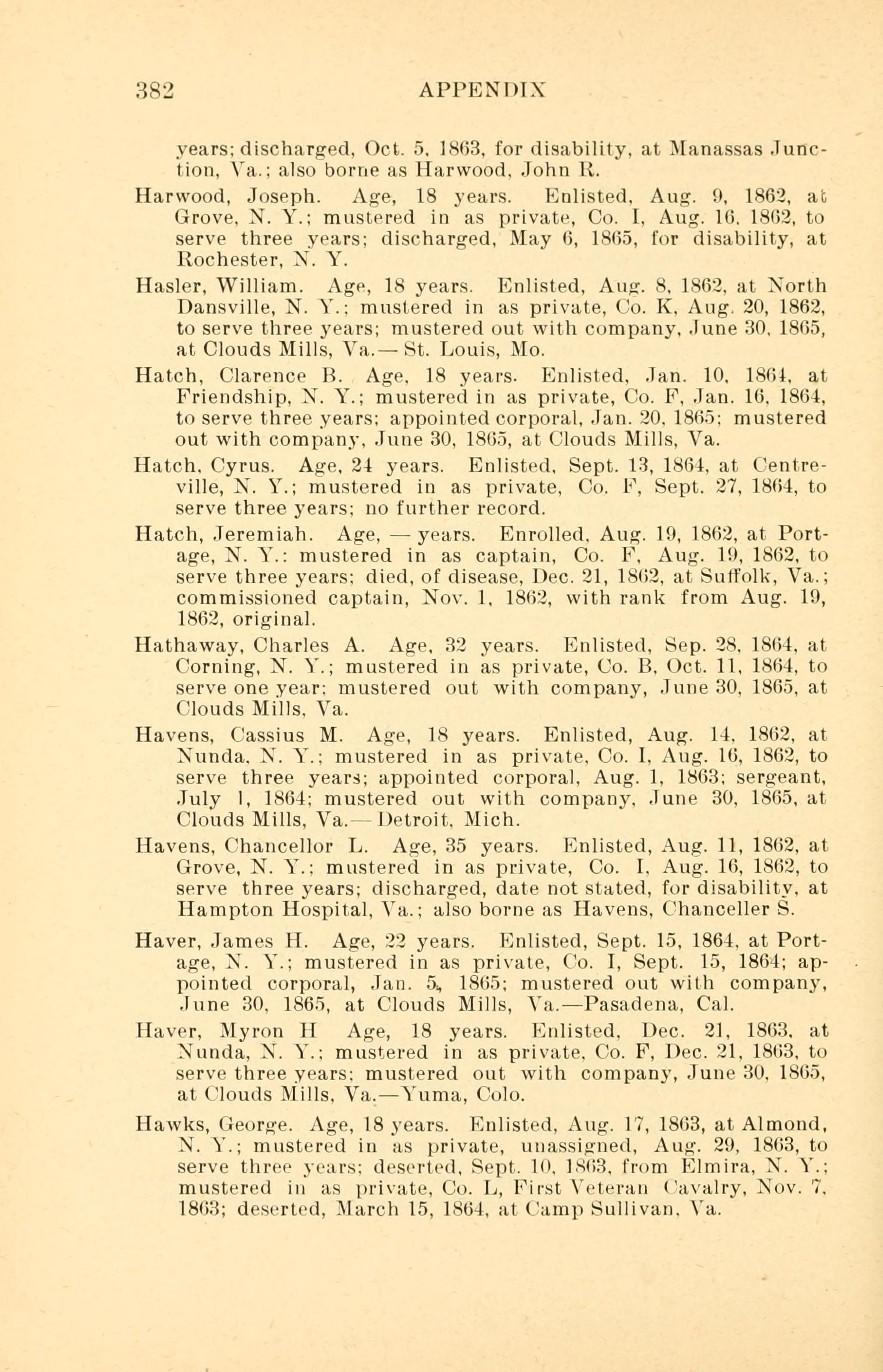
Jennings died of disease at Suffolk only months after enlistment. His biography helps restore the individual behind a loss that did not occur on a battlefield.
These connections come from the v172 manuscript and existing subject pages. A pension not connected here may still exist elsewhere. Namesakes and uncertain identities are not silently joined.
Follow the words into the evidence
What caught your attention?
Find a line from your reading, then follow its document and the record around it. Matching words helps locate evidence; checking who wrote them, when, and why helps you understand it.
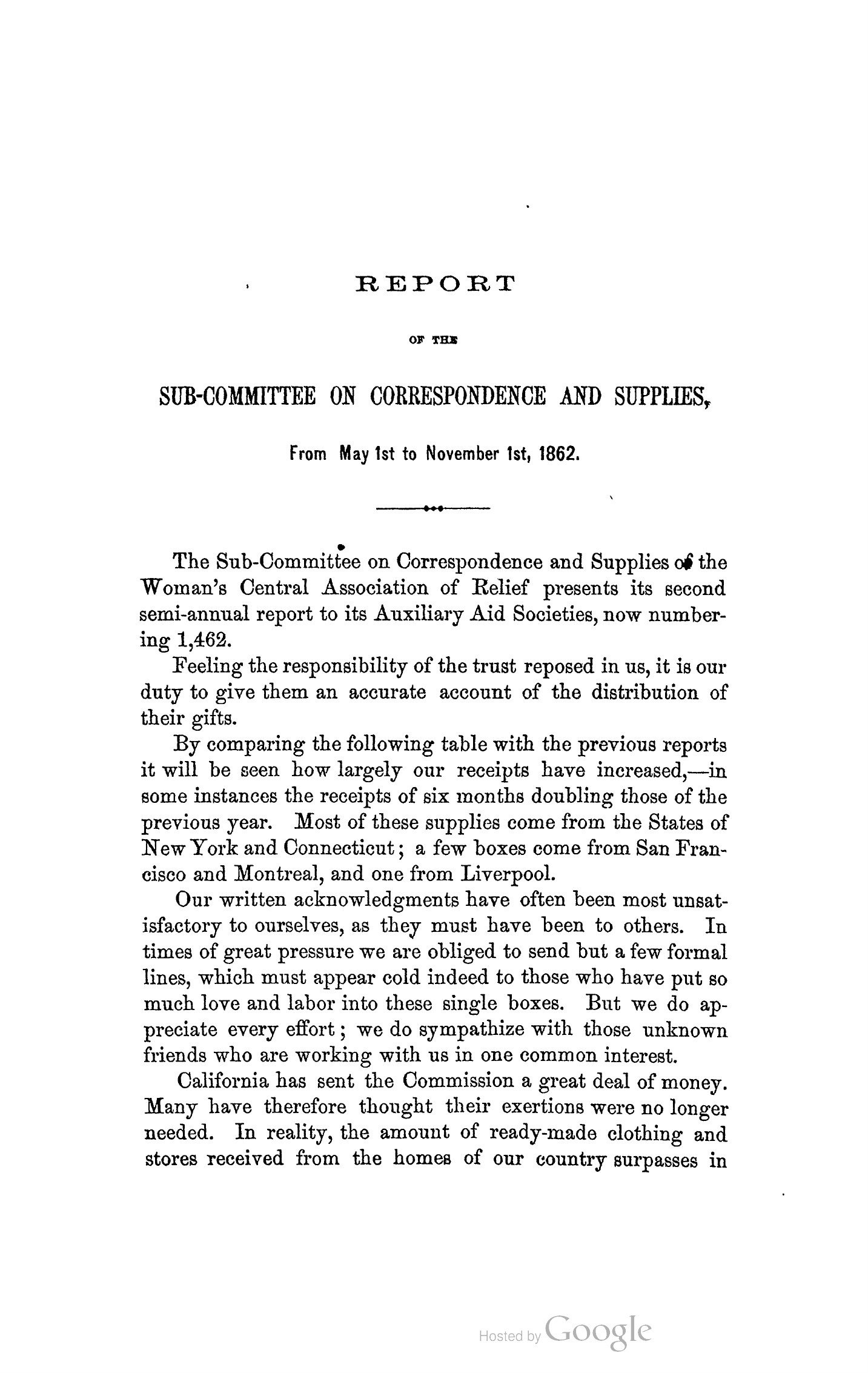
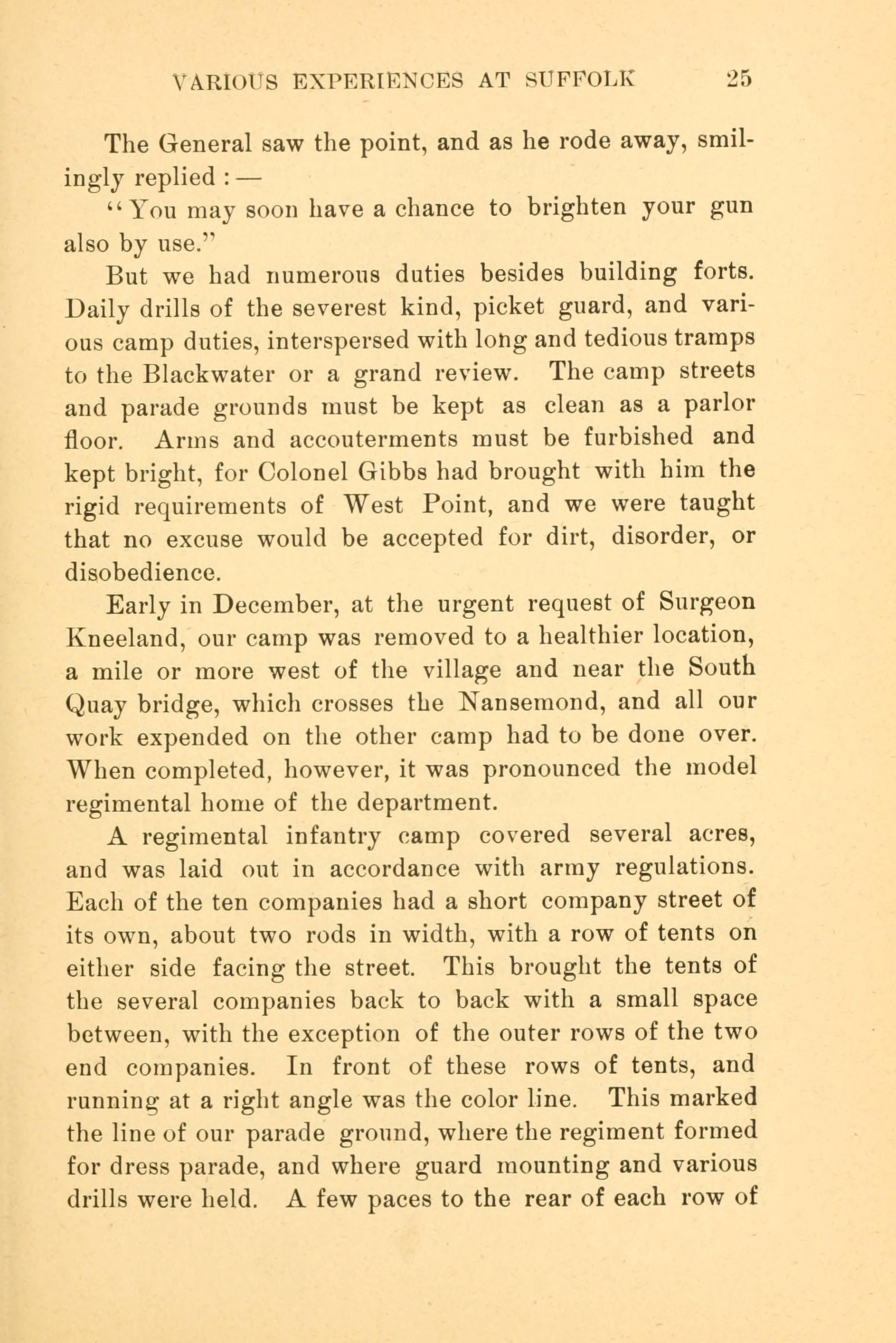
Source identified; supplied locator: scan image on Garland's page · Review flag: attribution: the scan beside this passage is a Woman's Central Association of Relief report (1862), not The Gibbs Family of Rhode Island (1933); the 1933 book may quote it, but the scan is the original to cite
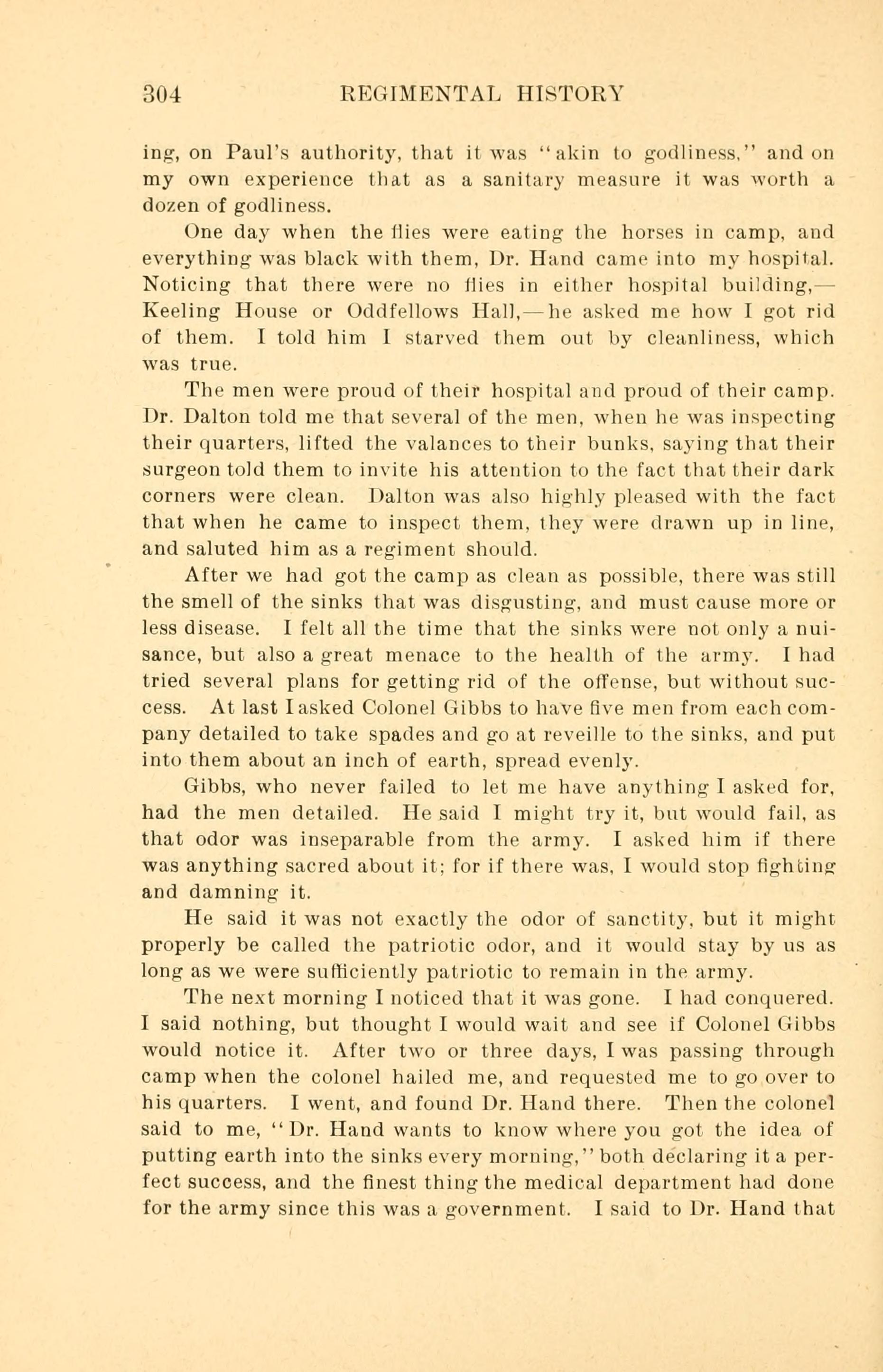
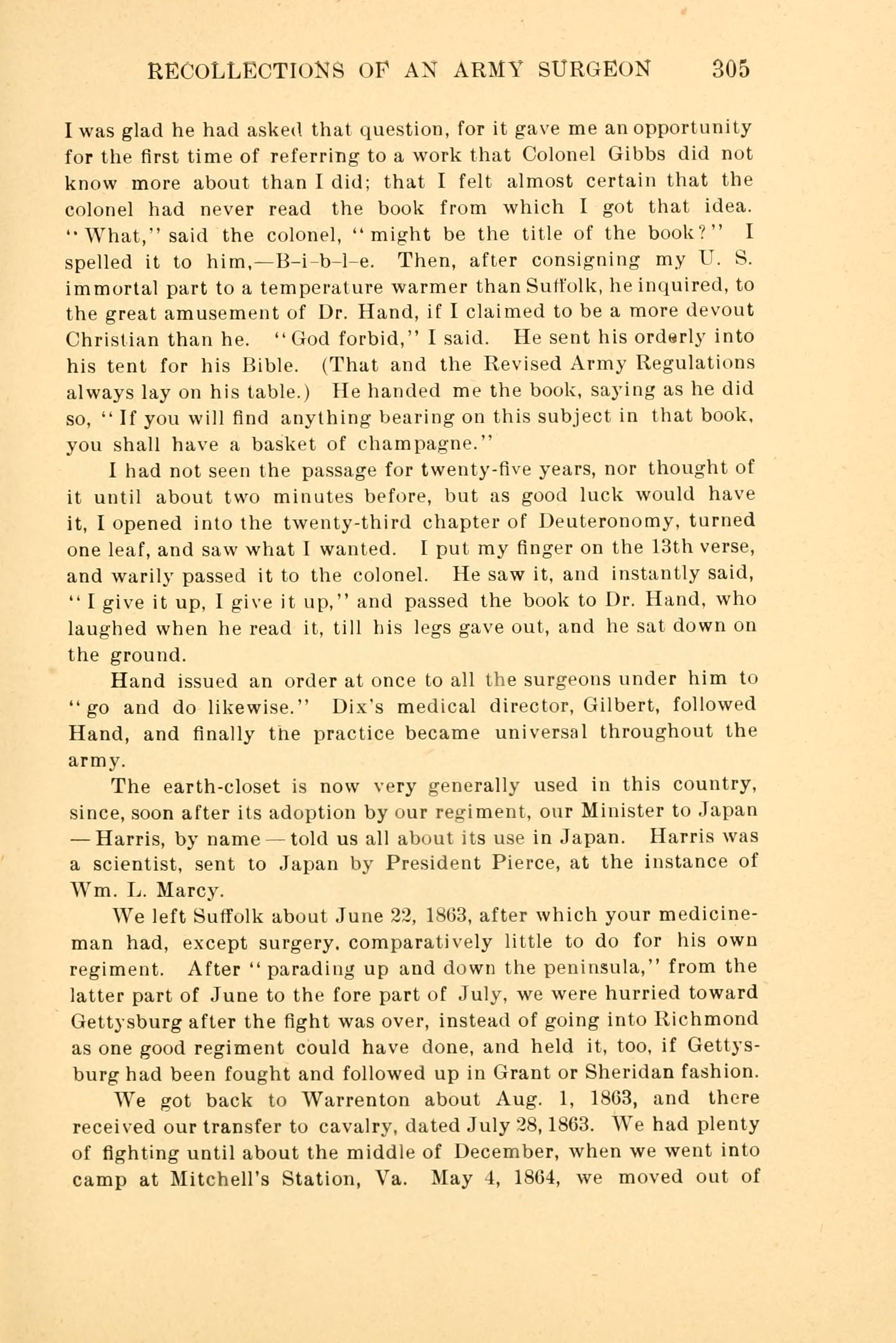
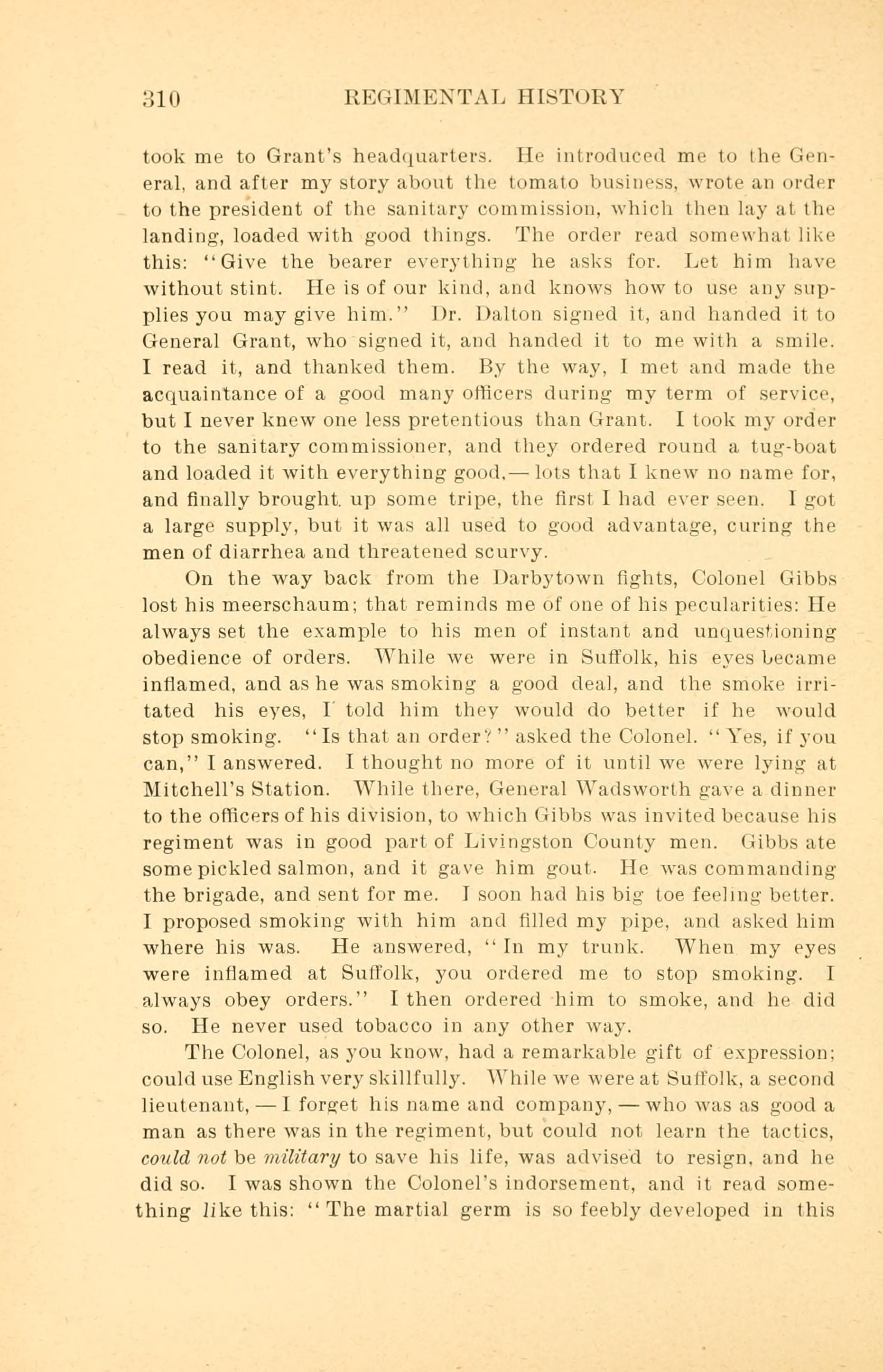
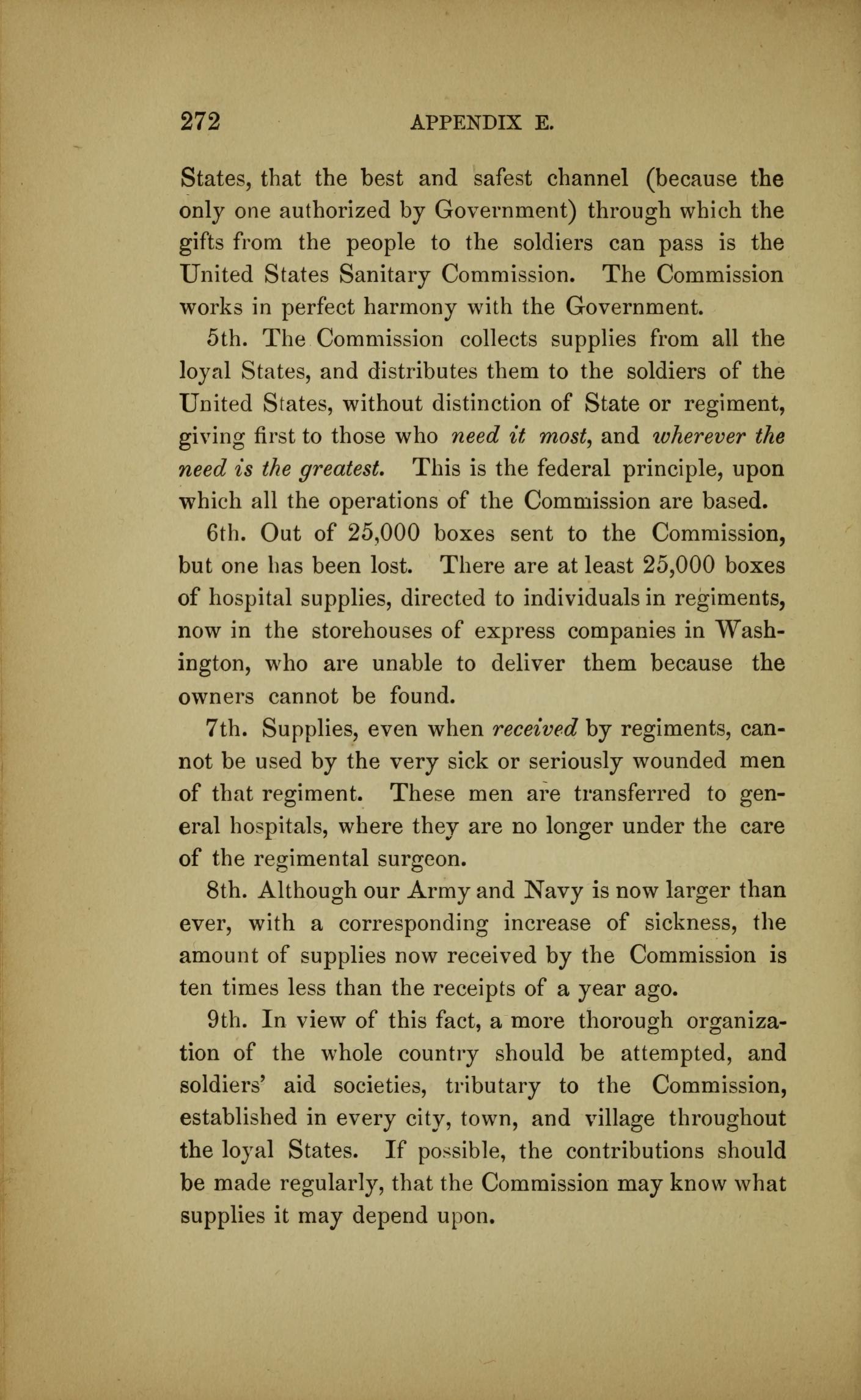
Source identified; supplied locator: page 274 (as numbered in the scan file name) · Review flag: attribution: the scan beside this passage is a U.S. Sanitary Commission circular (1863), p. 274, not The Gibbs Family of Rhode Island (1933); the 1933 book may quote it, but the scan is the original to cite
Source identified; supplied locator: page 274 (as numbered in the scan file name) · Review flag: attribution: the scan beside this passage is a U.S. Sanitary Commission circular (1863), p. 274, not The Gibbs Family of Rhode Island (1933); the 1933 book may quote it, but the scan is the original to cite