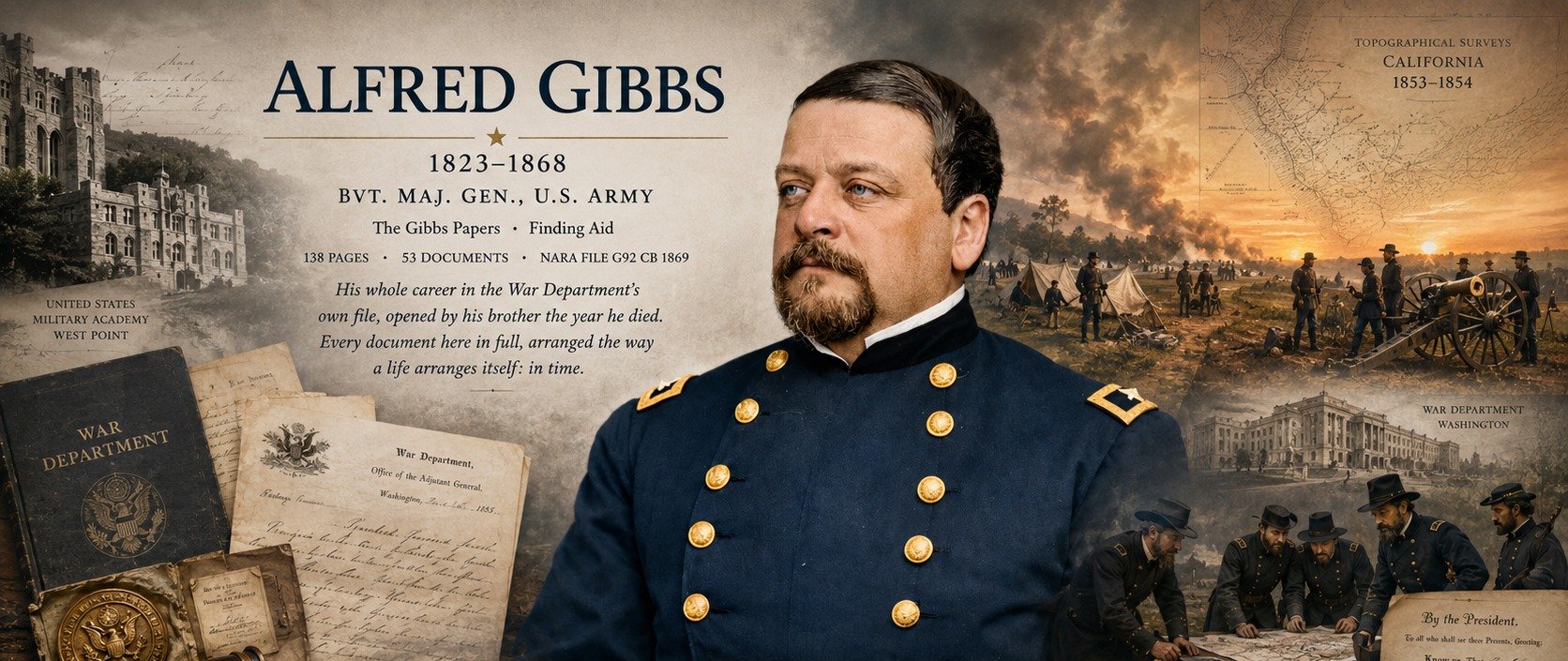
The book is finished.GIBBS: The Forgotten Warrior of the First New York Dragoons, by Garland H. Green Jr. How to order is coming soon; you can reserve a copy now. Reserve a copy →
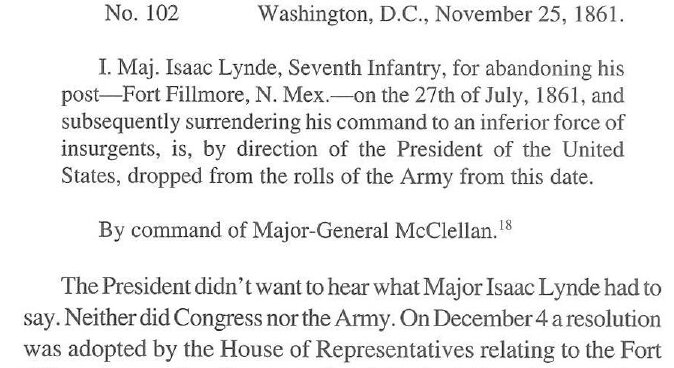
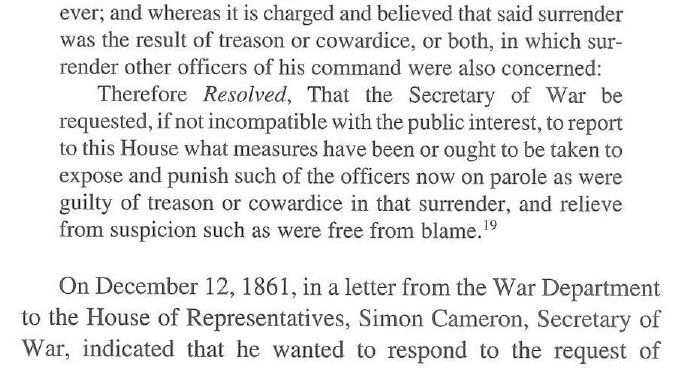
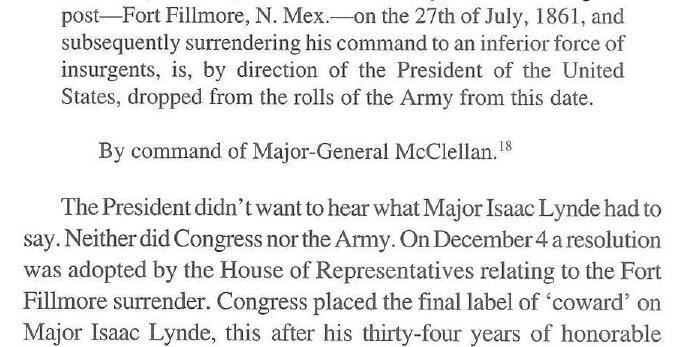
Your book journey: Washington · November 25, 1861.
What would you like to explore in On the Word of an Officer?
Go beyond the book · On the Word of an Officer
You are reading Washington · November 25, 1861. The guided starting point below explores Fort Union, New Mexico Territory. Evidence for this particular section has not yet been separately assembled; chapter references remain available below.
Understand what an officer’s parole promised
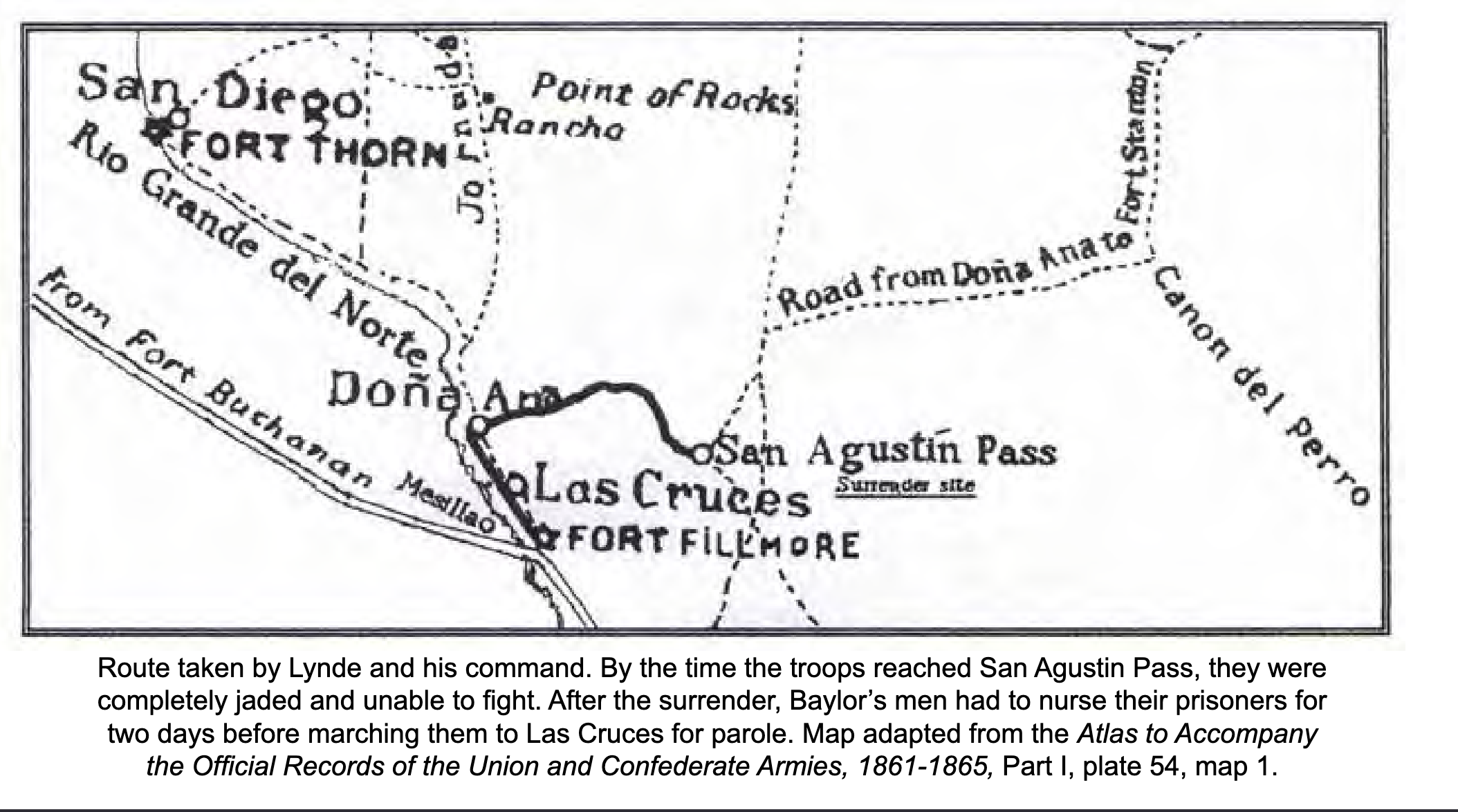
After surrender, being free to travel did not mean being free to fight. The parole and the letter transmitting it explain the obligation that followed Gibbs away from New Mexico.
New to these records? A little context.
A docket is an office’s summary or filing note; it may be on a wrapper rather than in the letter. An endorsement is another official’s response or forwarding note. Read each voice and date separately. A transcription is a reading of a document, with uncertain words marked where the exhibit provides them.
What did “word of honor” require of a paroled officer?
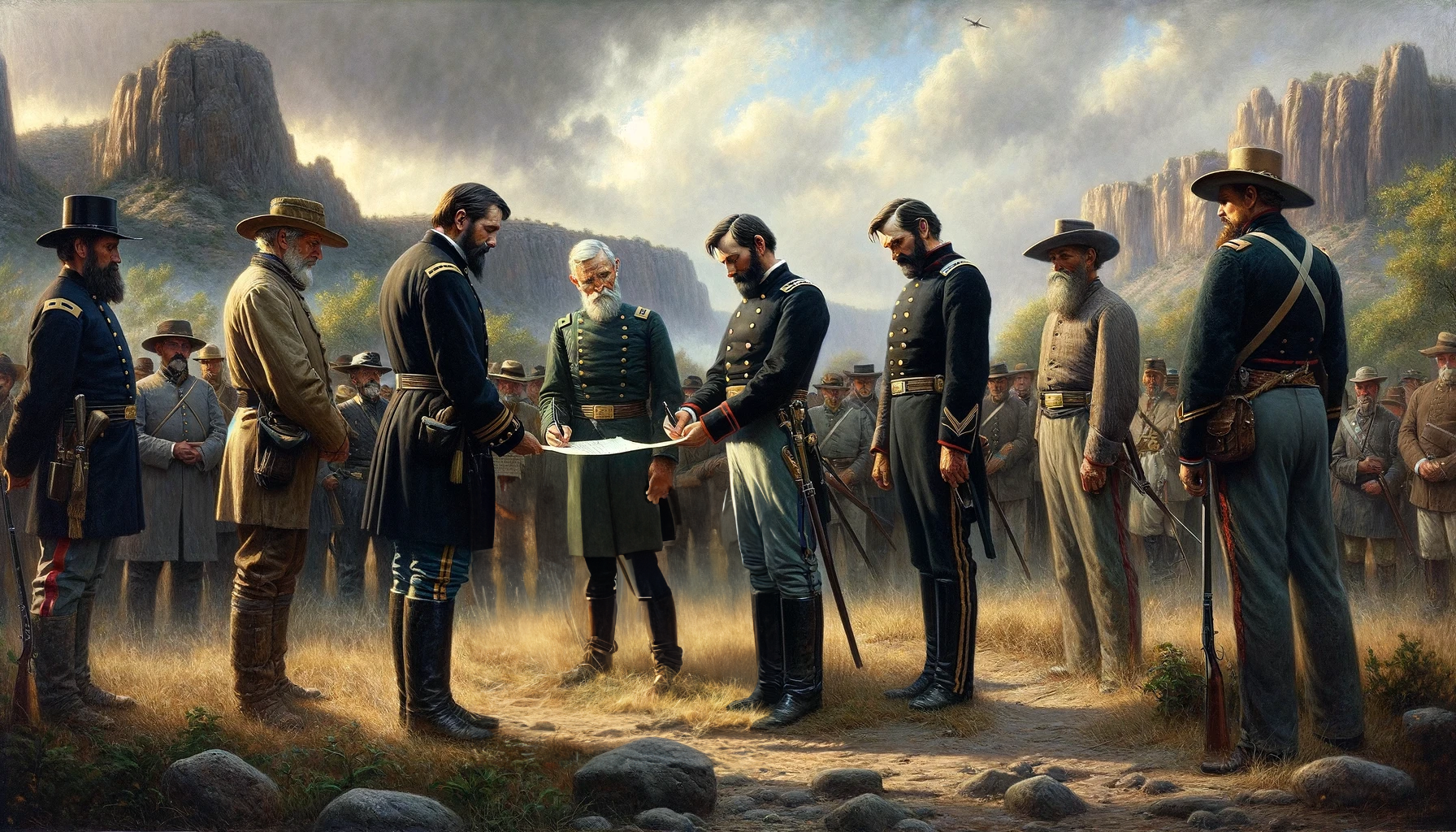
cooks pass battle - Gibbs - remastered · From the linked account. Its original credits and image status are preserved there.
Read the source exhibit & its explanation
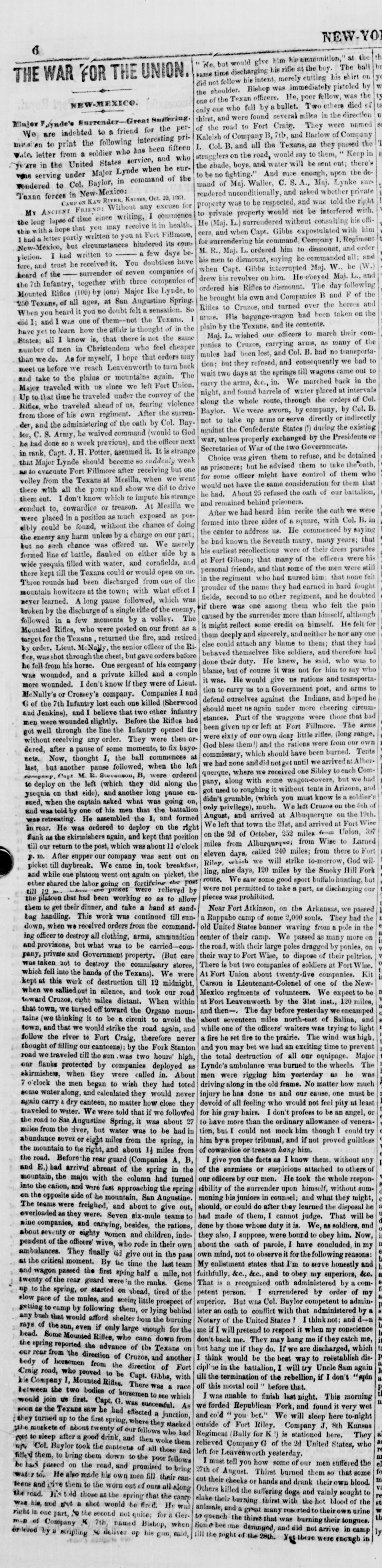
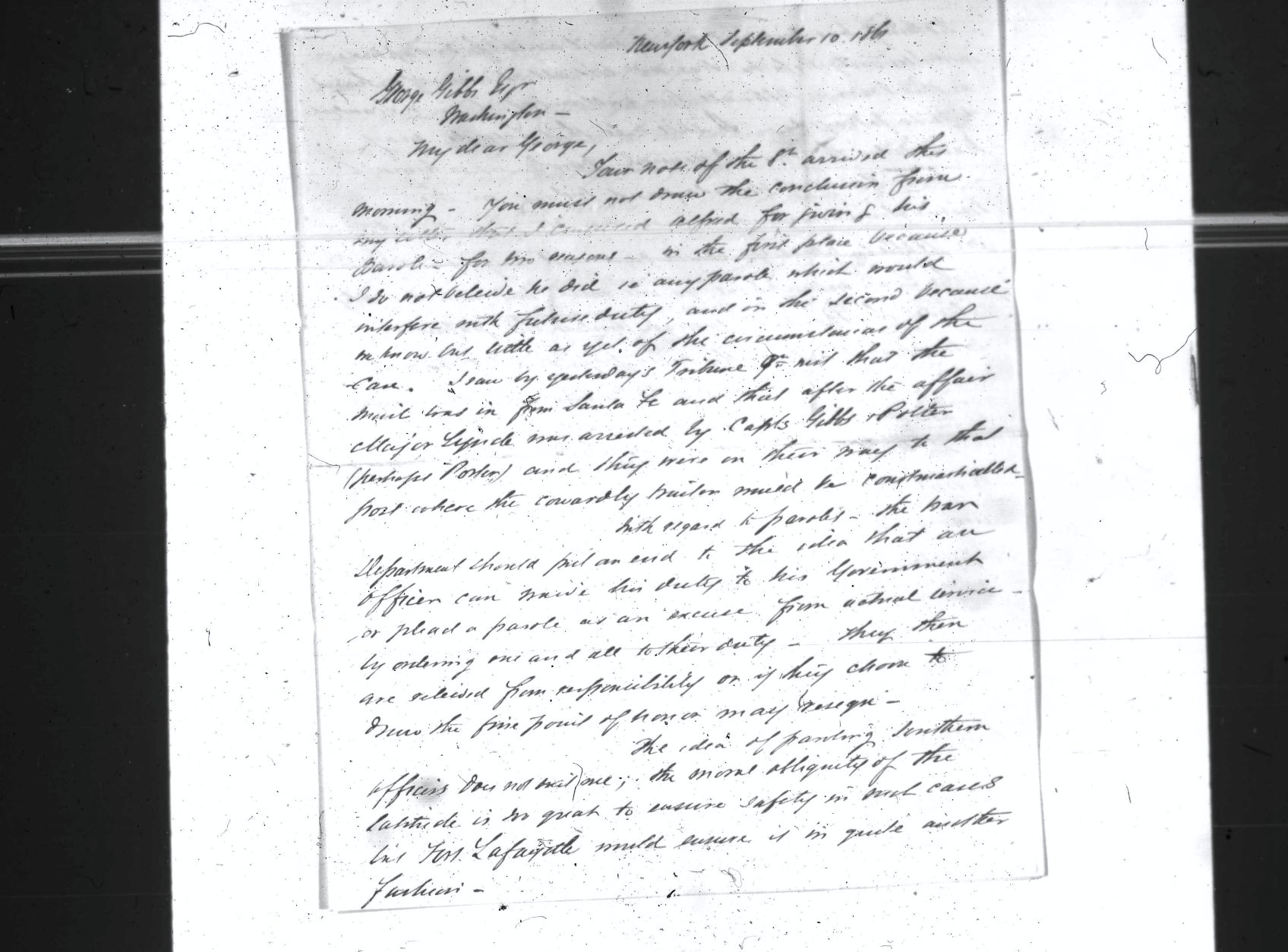
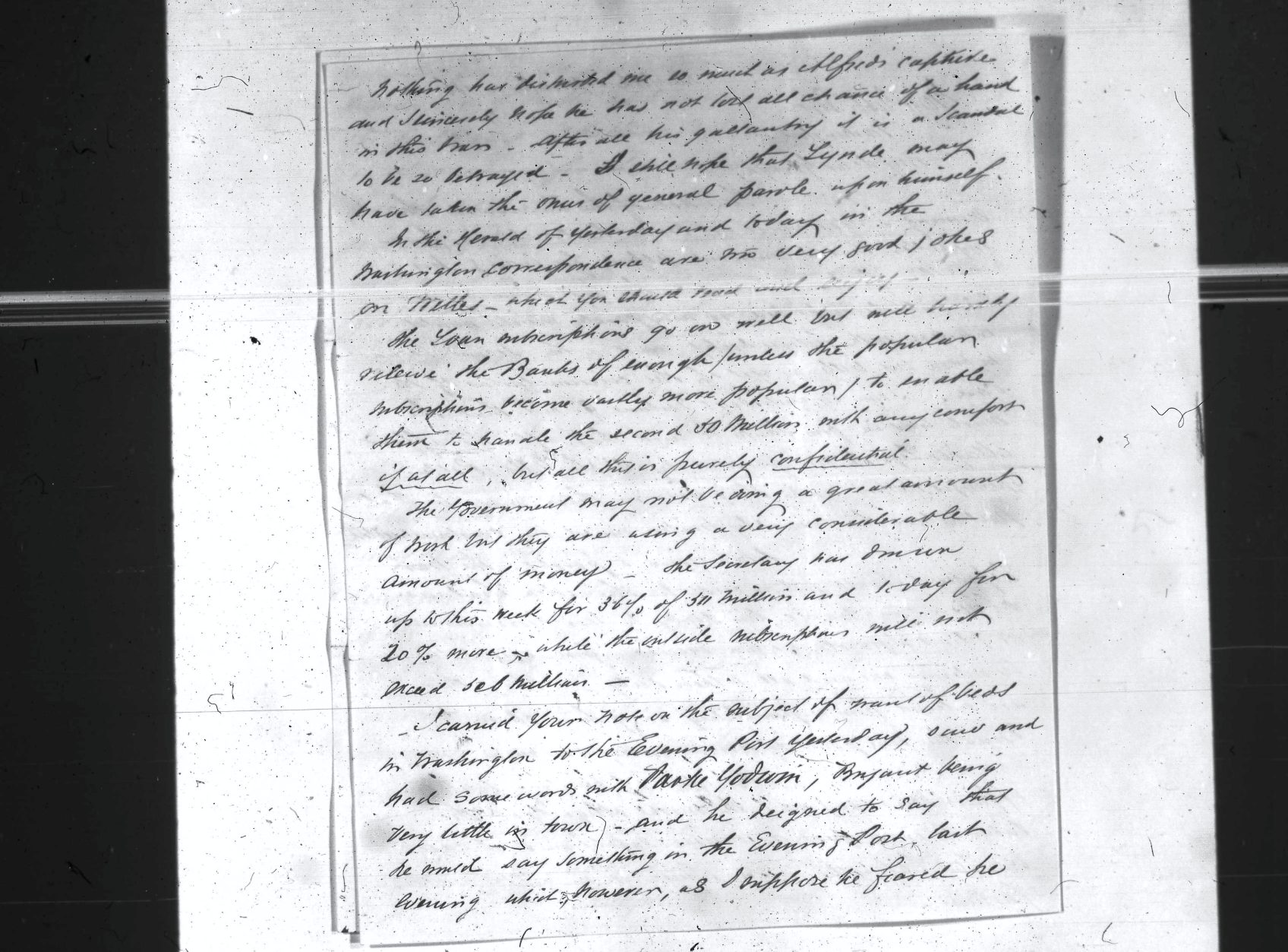
The parole and the letter that transmitted it
The printed correspondence contains Gibbs’s promise not to act in a belligerent capacity and the administrative forwarding of that promise. It shows why captivity continued to shape his service.
What to examine: Read the enclosure’s terms and distinguish them from the covering letter and endorsement. Compare their dates before drawing a single timeline.
Keep this distinction in mind: Parole and exchange are different. A promise not to fight does not establish when an officer was officially released from that promise.
Keep your question in view as you explore. The reading tray retains On the Word of an Officer → Washington. Close it to return to this point, or deliberately choose to explore outside the chapter.
Follow a life beyond the page
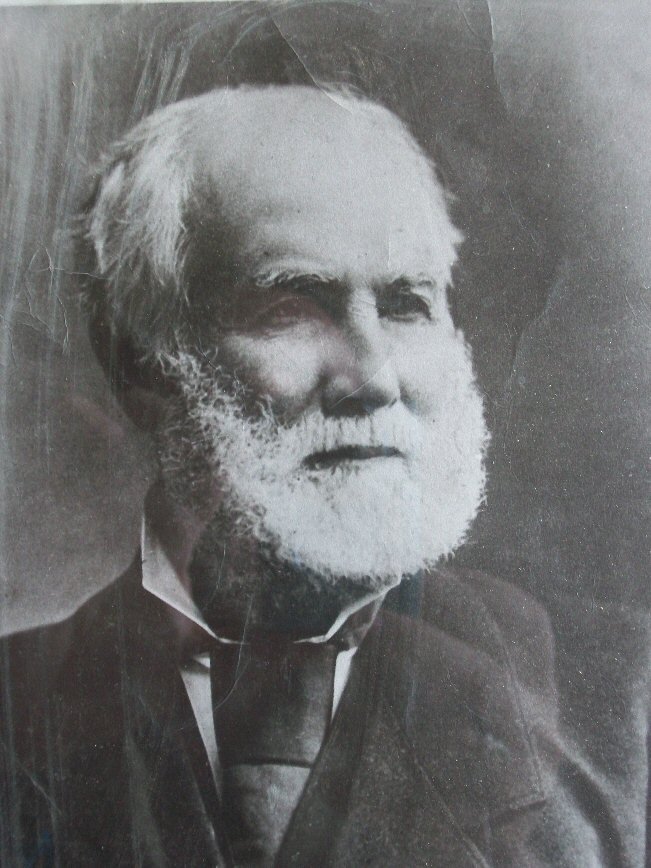
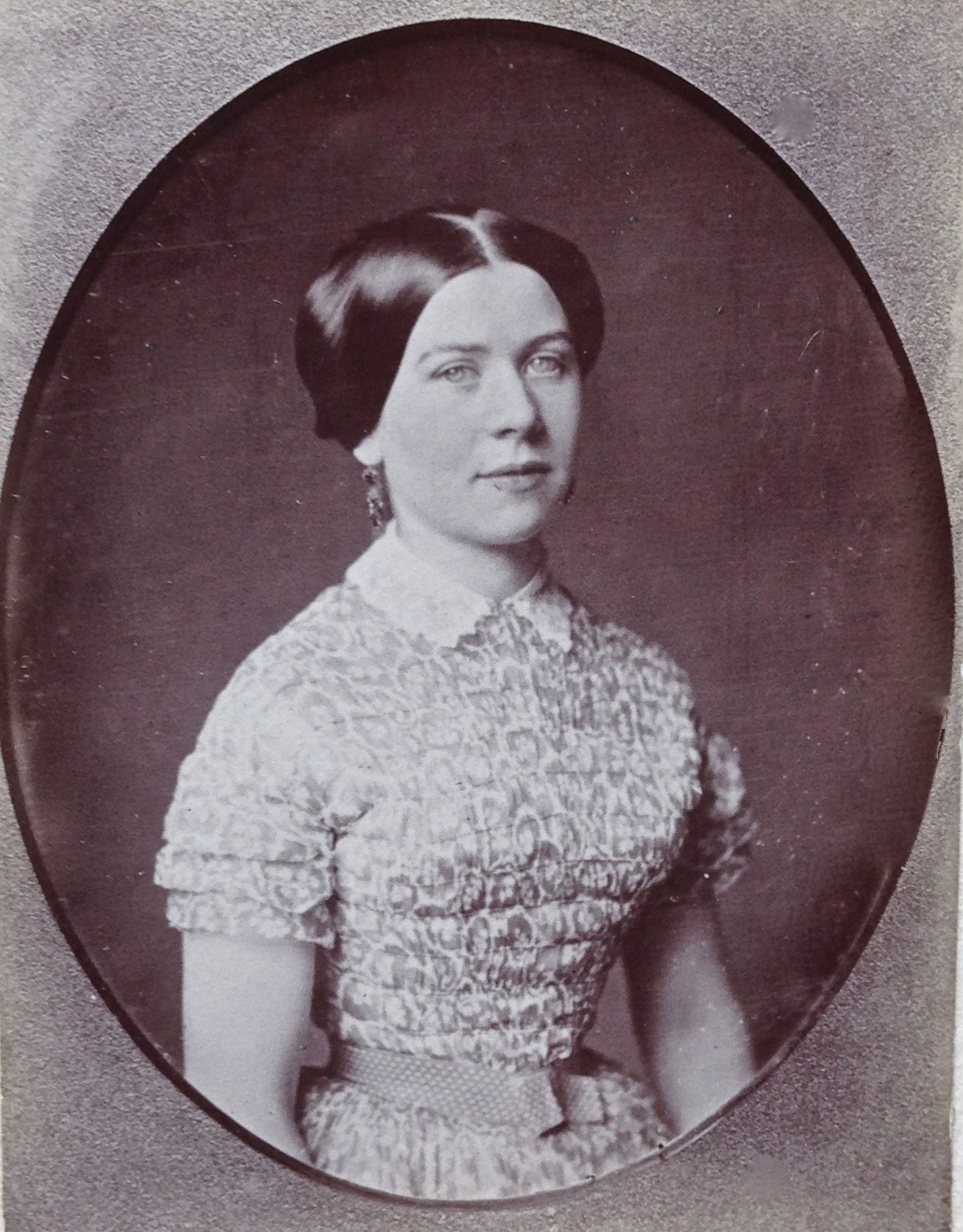
People you meet here
The book brings you into these lives. Follow a person to the family, service and research records available here. Pension material is identified separately from biography and recollection.
3 connected people in this section · Showing 1 to 3
Follow Gibbs through the service and medical records, then Peggy’s petitions after his death. These sources let you distinguish what a doctor observed, what a widow asked for and what an official record actually establishes.
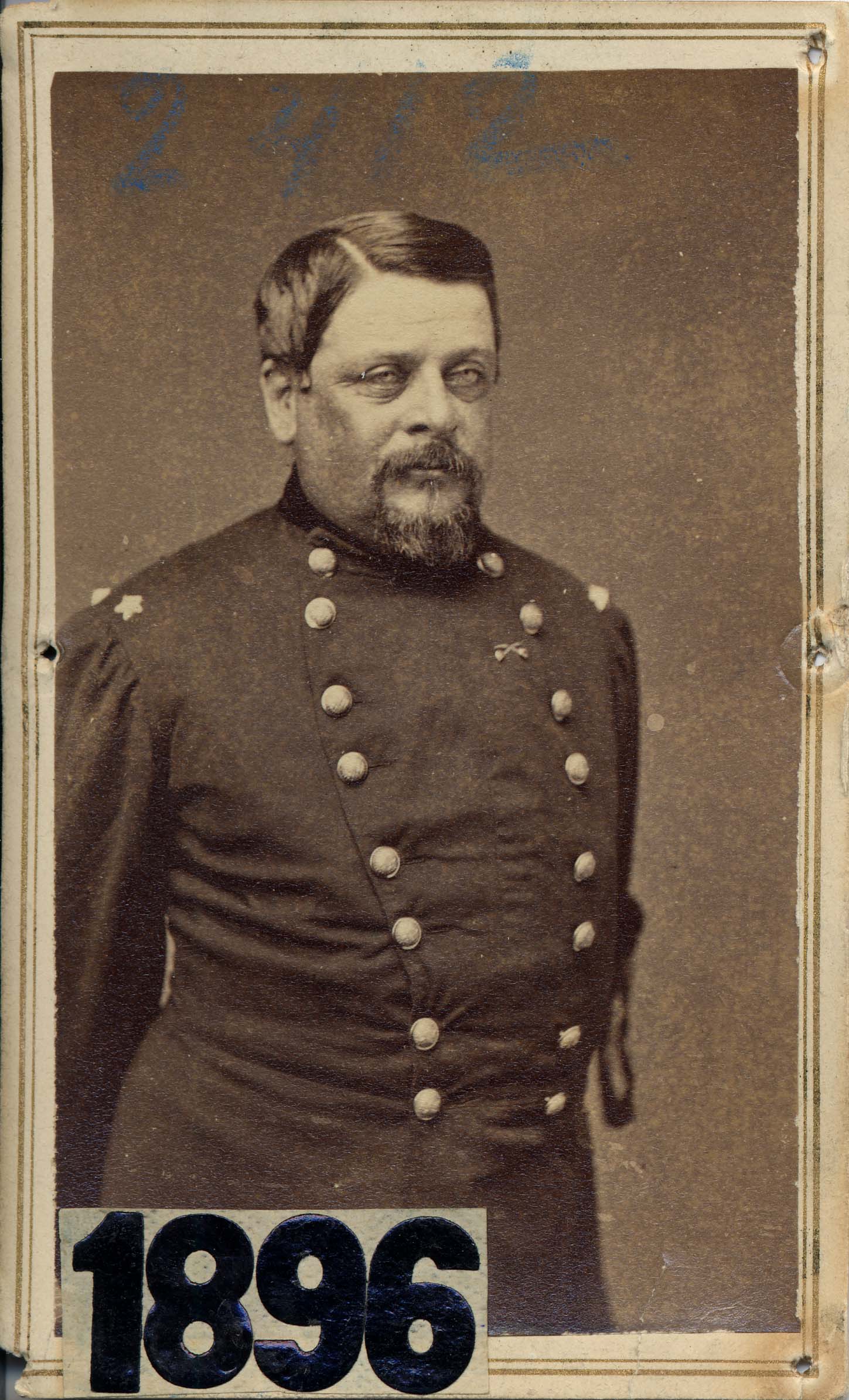
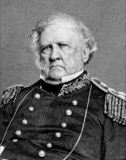
McClellan was Gibbs's West Point classmate before he became a Union commander. Garland's connected essays and letters let you explore those relationships beyond the familiar public reputation.
Scott recommended Alfred for West Point and later commanded the army in Mexico. Follow the recommendation and the campaign as distinct kinds of evidence about their relationship.
These connections come from the v172 manuscript and existing subject pages. A pension not connected here may still exist elsewhere. Namesakes and uncertain identities are not silently joined.
Follow the words into the evidence
What caught your attention?
Find a line from your reading, then follow its document and the record around it. Matching words helps locate evidence; checking who wrote them, when, and why helps you understand it.
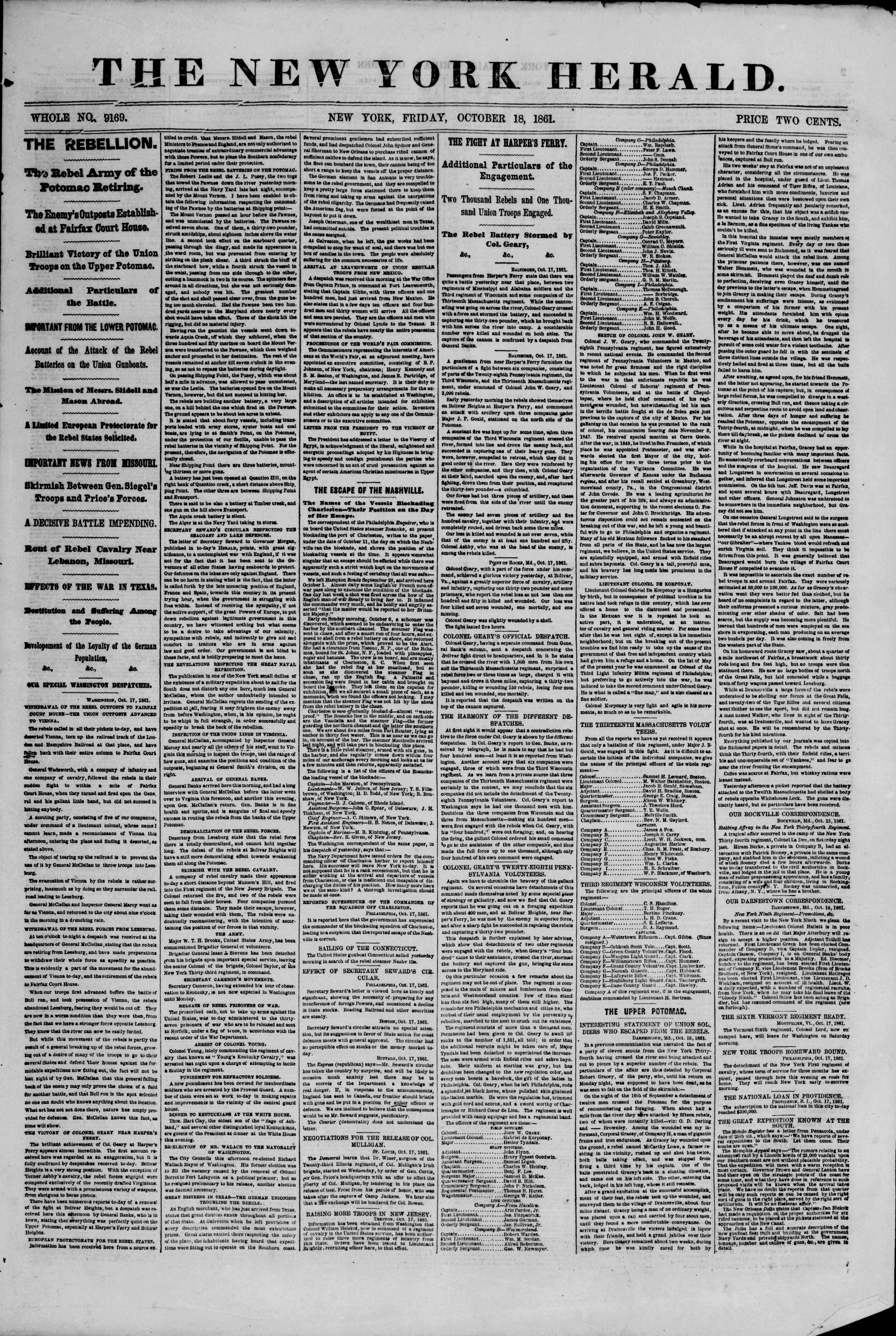
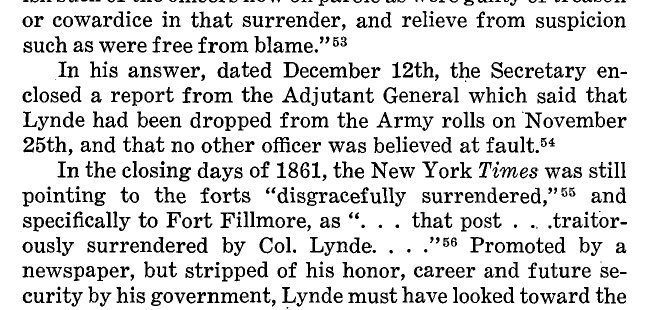
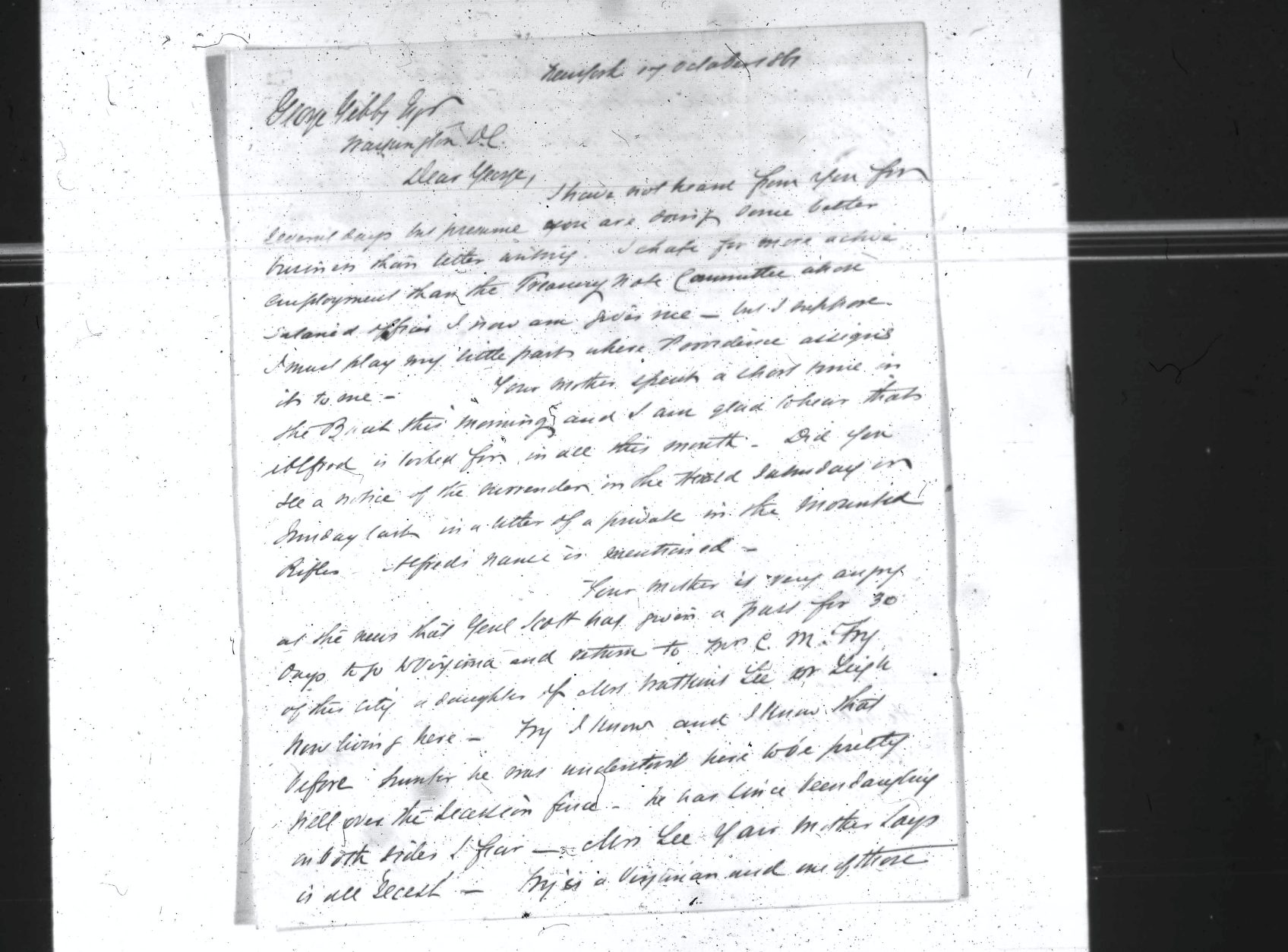
Source identified; supplied locator: scan image on Garland's page · Review flag: page taken from the scan's file name or position; confirm against the scan
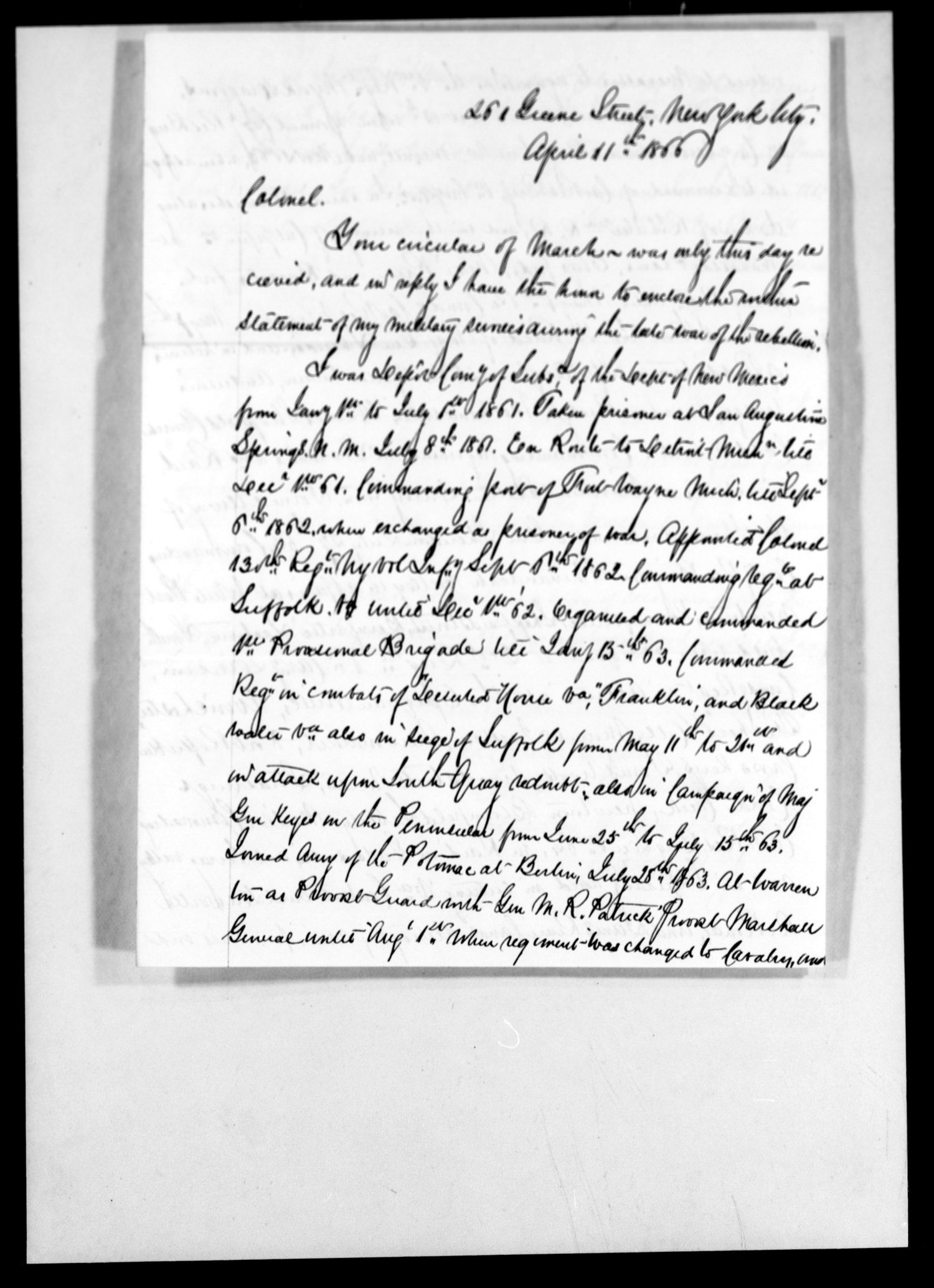
Source identified; supplied locator: scan image on Garland's page · Review flag: page taken from the scan's file name or position; confirm against the scan
Passage-level sources for this section have not yet been assigned. These are the chapter’s source-note references, provided as starting points rather than proof of this particular section.