The book is finished.GIBBS: The Forgotten Warrior of the First New York Dragoons, by Garland H. Green Jr. How to order is coming soon; you can reserve a copy now. Reserve a copy →
Start with the guided reading below, or search this chapter for a person, quotation or topic. Follow the writing and evidence behind this part of GIBBS.
What would you like to explore in Packing for the Road?
Go beyond the book · Packing for the Road
See a frontier move from Peggy’s side
The road out of Fort Fillmore required clothes, food, packing, and a small child’s care. Peggy’s October 1857 letter makes those preparations visible beyond the military itinerary.
New to these records? A little context.
A transcription records the words of a letter. A typescript is a typed copy, which may survive even when the handwritten original is not on display. The linked account identifies the version it preserves; later explanatory paragraphs are not part of the letter.
What did moving an army household involve?
What did moving an army household involve?
Research preview · An invitation into the written account, not a reproduction of an original document.
Read the source exhibit & its explanation
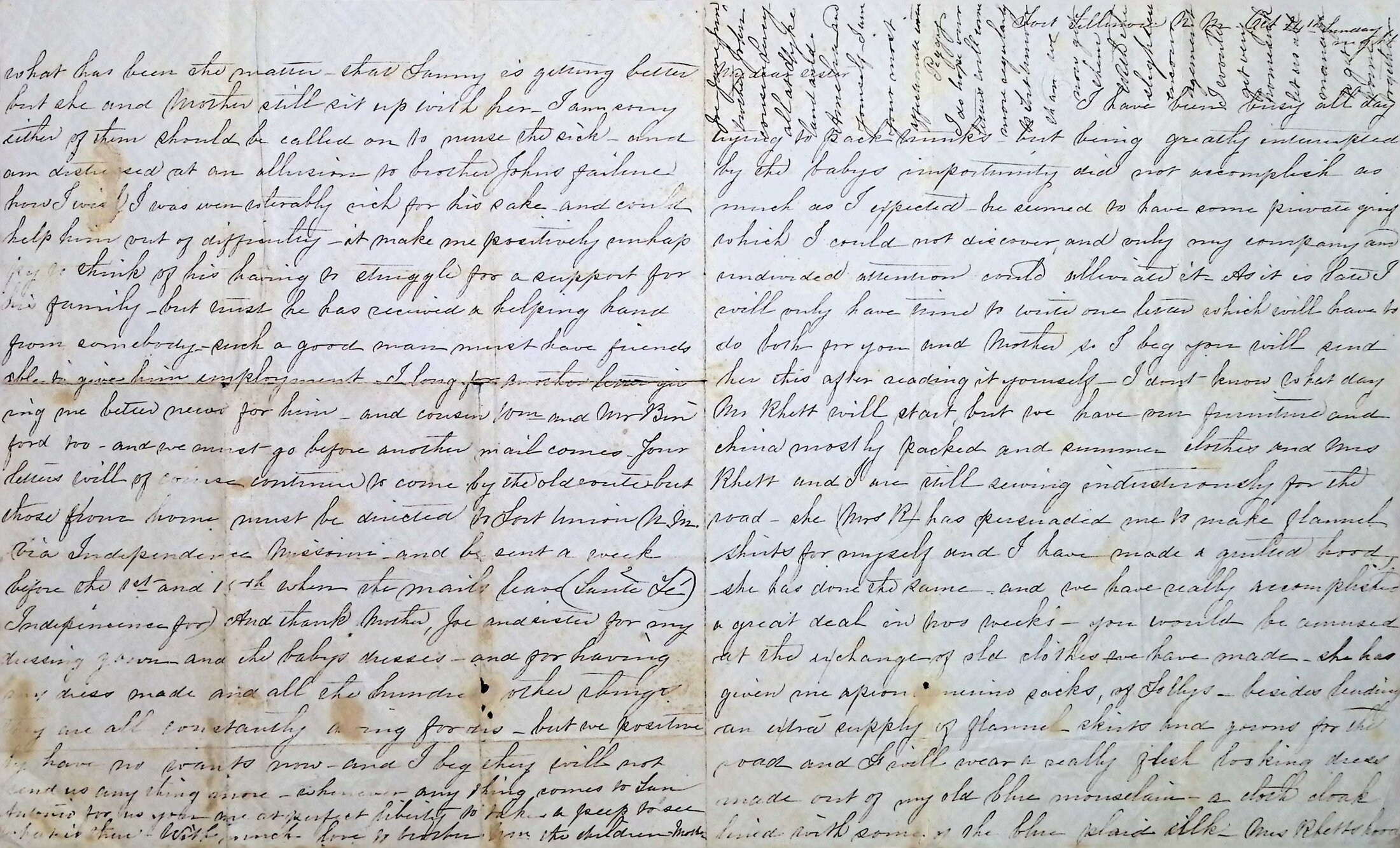
Peggy’s Fort Fillmore letter, October 24, 1857
The preserved transcription describes half-packed trunks, sewing for the road, provisions, and homesickness. It brings domestic labor into a chapter otherwise full of assignments and movement.
What to examine: Follow the references to clothing, food, and the child, then find the instructions about mail. Build a list of tasks the official marching order would not describe.
Keep this distinction in mind: The page states that the transcription came from a descendant and had not been checked against a museum scan. No original has been substituted for the missing manuscript here.
Keep your question in view as you explore. The reading tray retains Packing for the Road. Close it to return to this point, or deliberately choose to explore outside the chapter.
Follow a life beyond the page
People you meet here
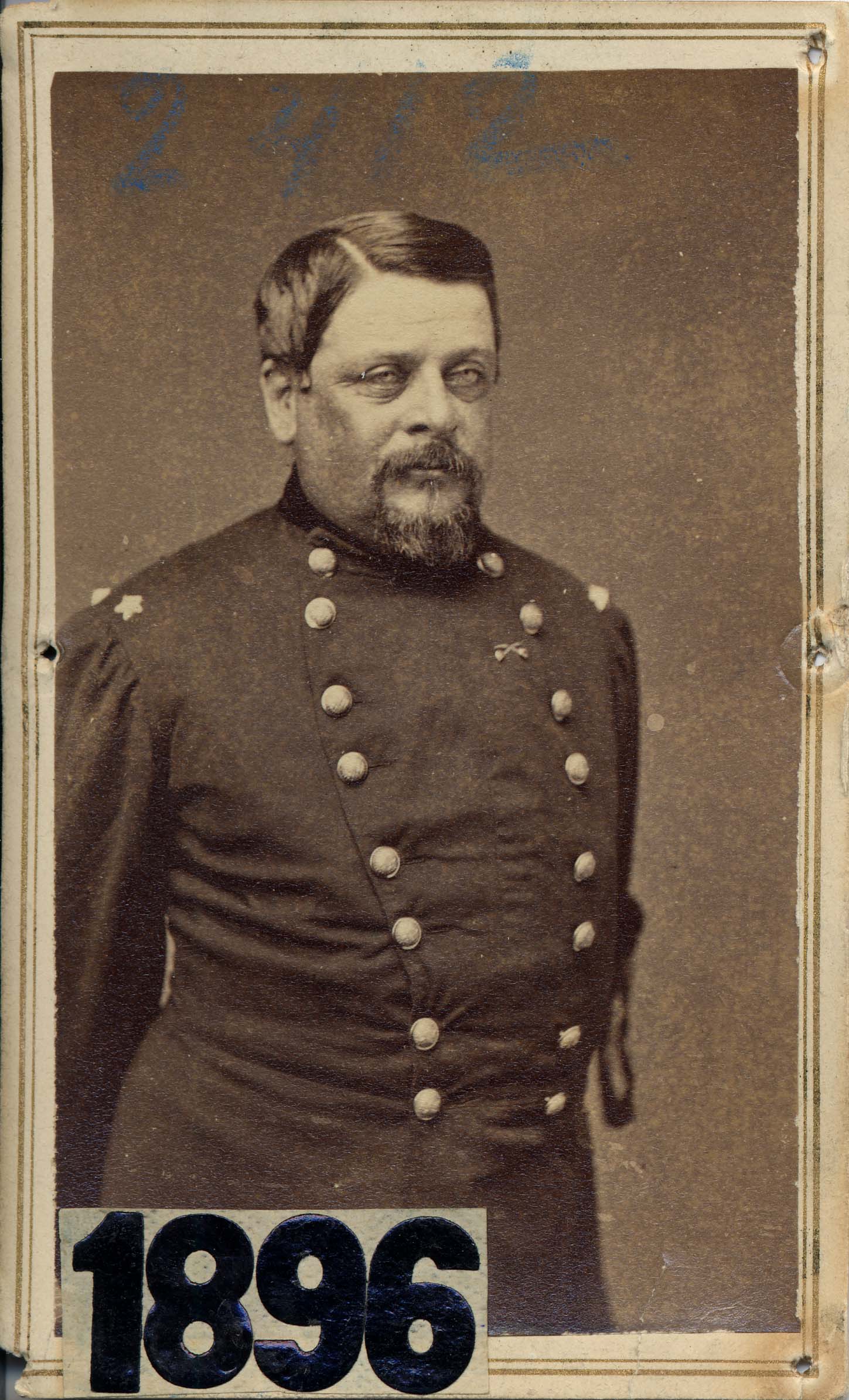
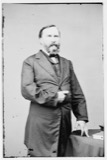
The book brings you into these lives. Follow a person to the family, service and research records available here. Pension material is identified separately from biography and recollection.
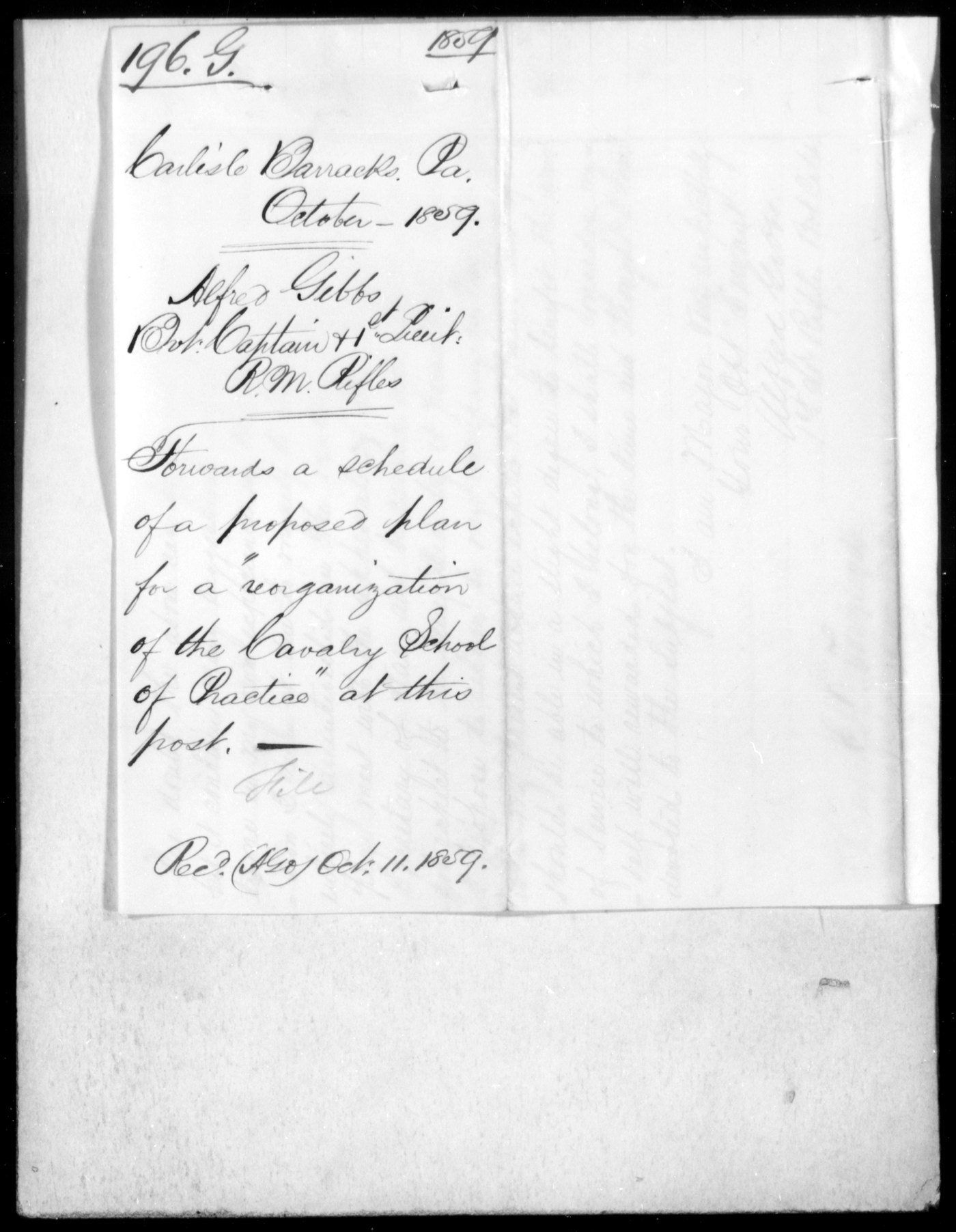
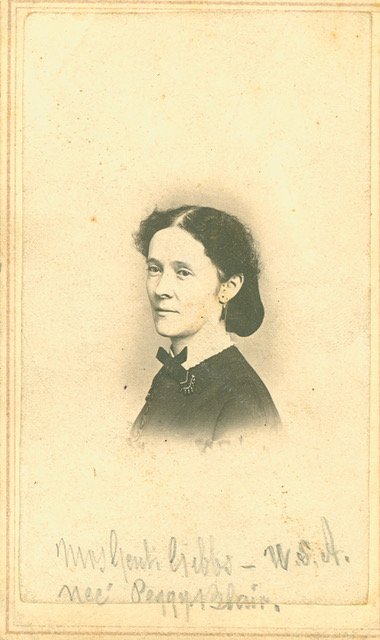
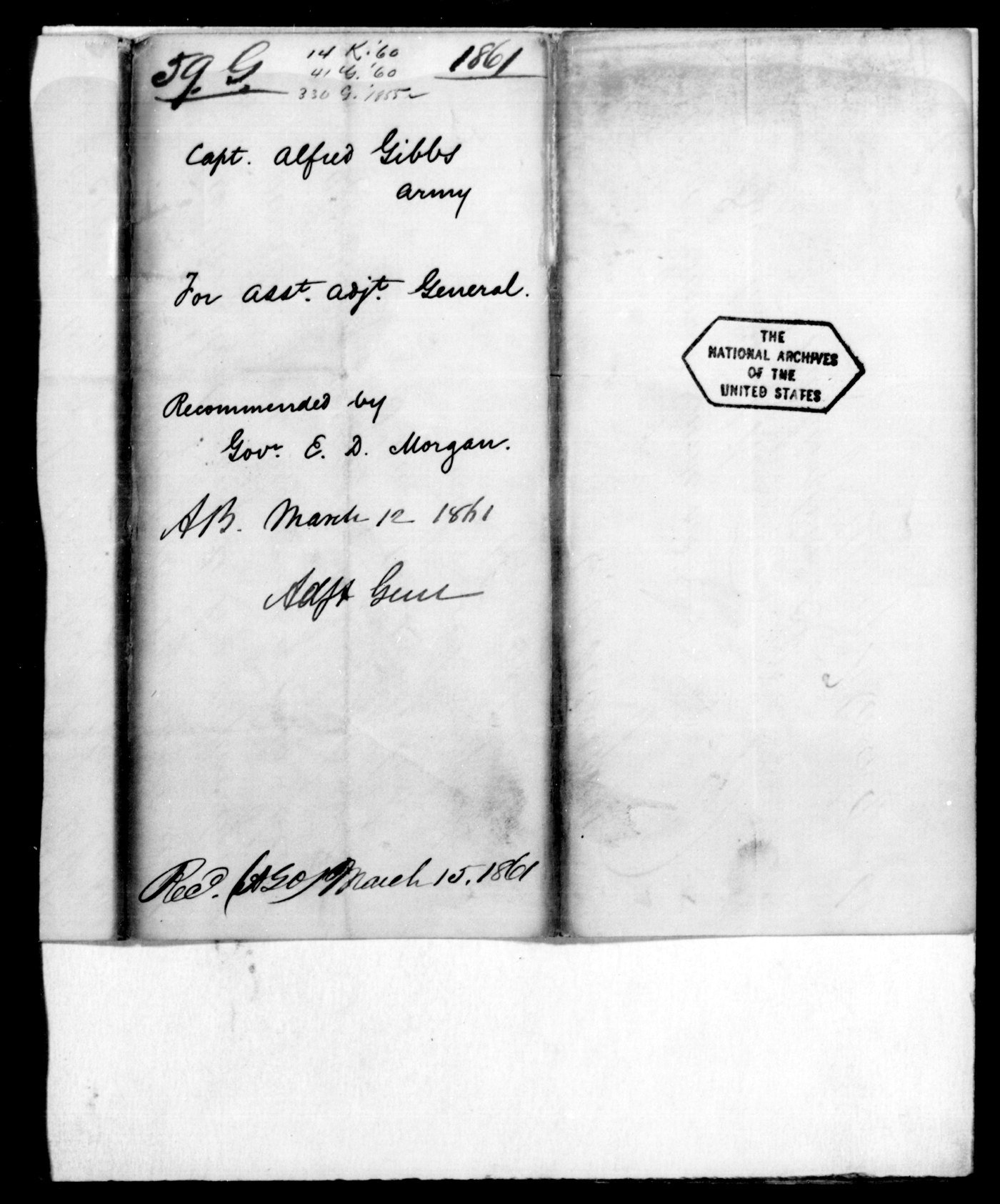
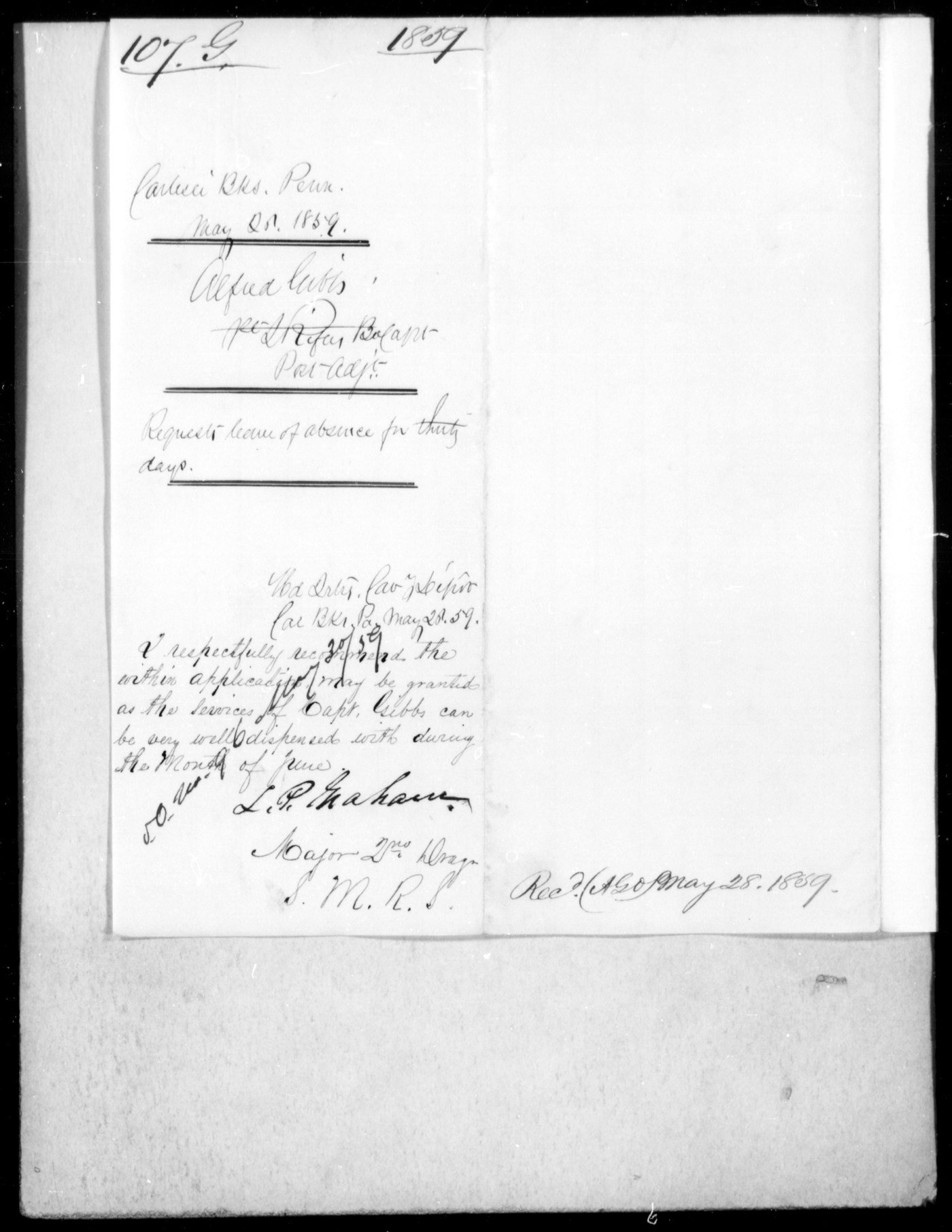
Follow Gibbs through the service and medical records, then Peggy’s petitions after his death. These sources let you distinguish what a doctor observed, what a widow asked for and what an official record actually establishes.
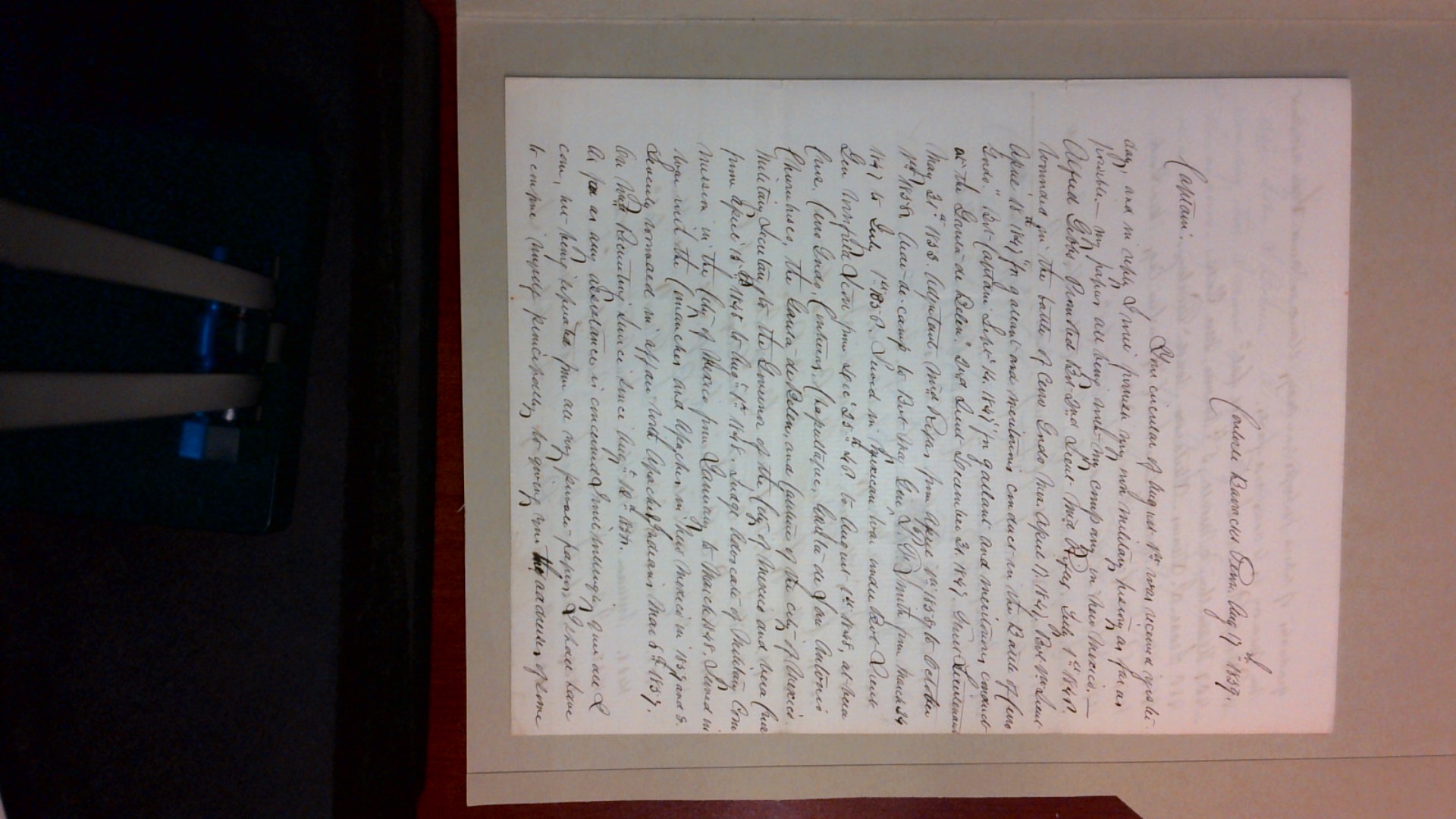
Cullum requested the career information that Gibbs supplied from memory. Knowing how a military register was assembled helps explain why its entries should be compared with contemporary records.
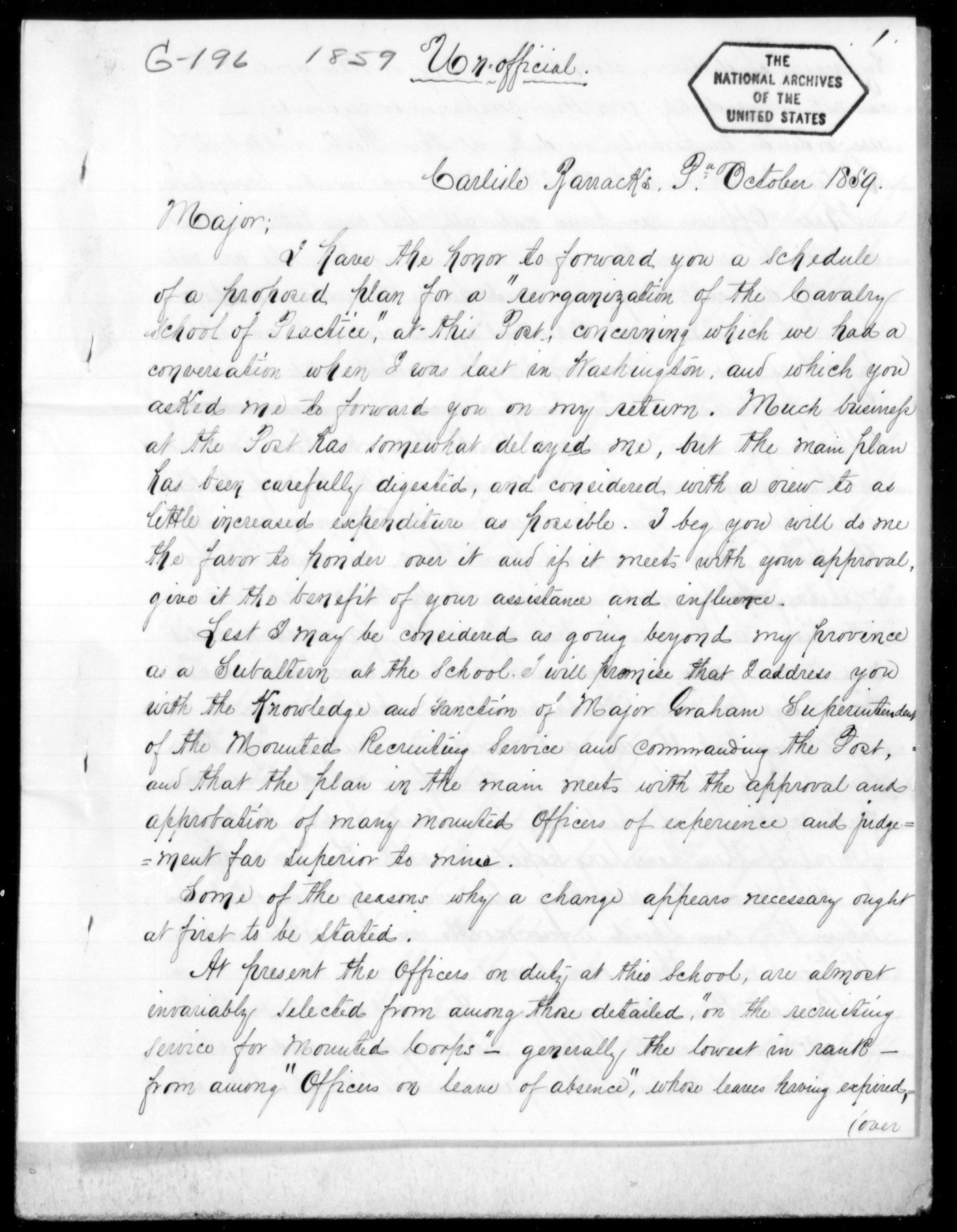
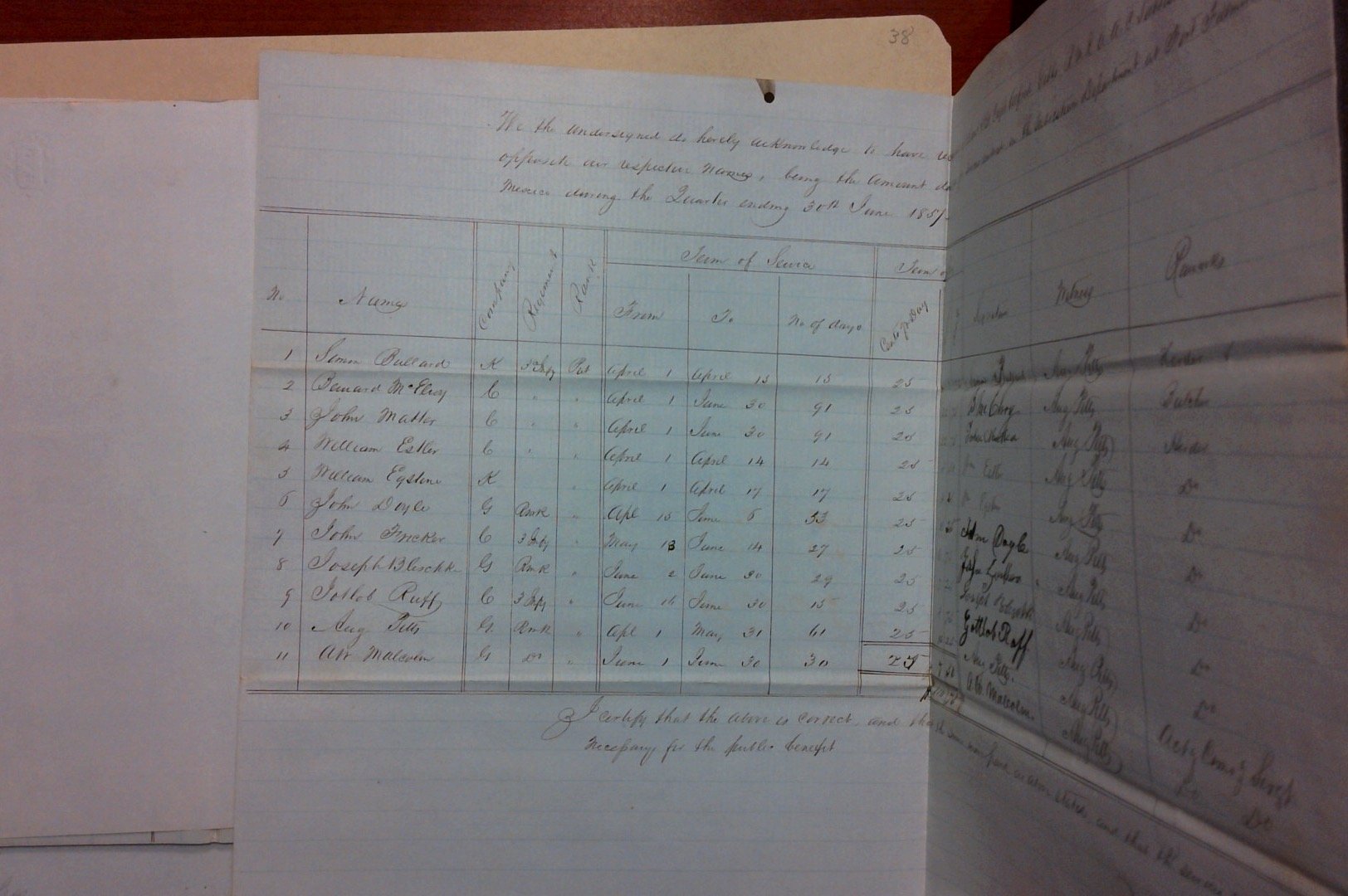
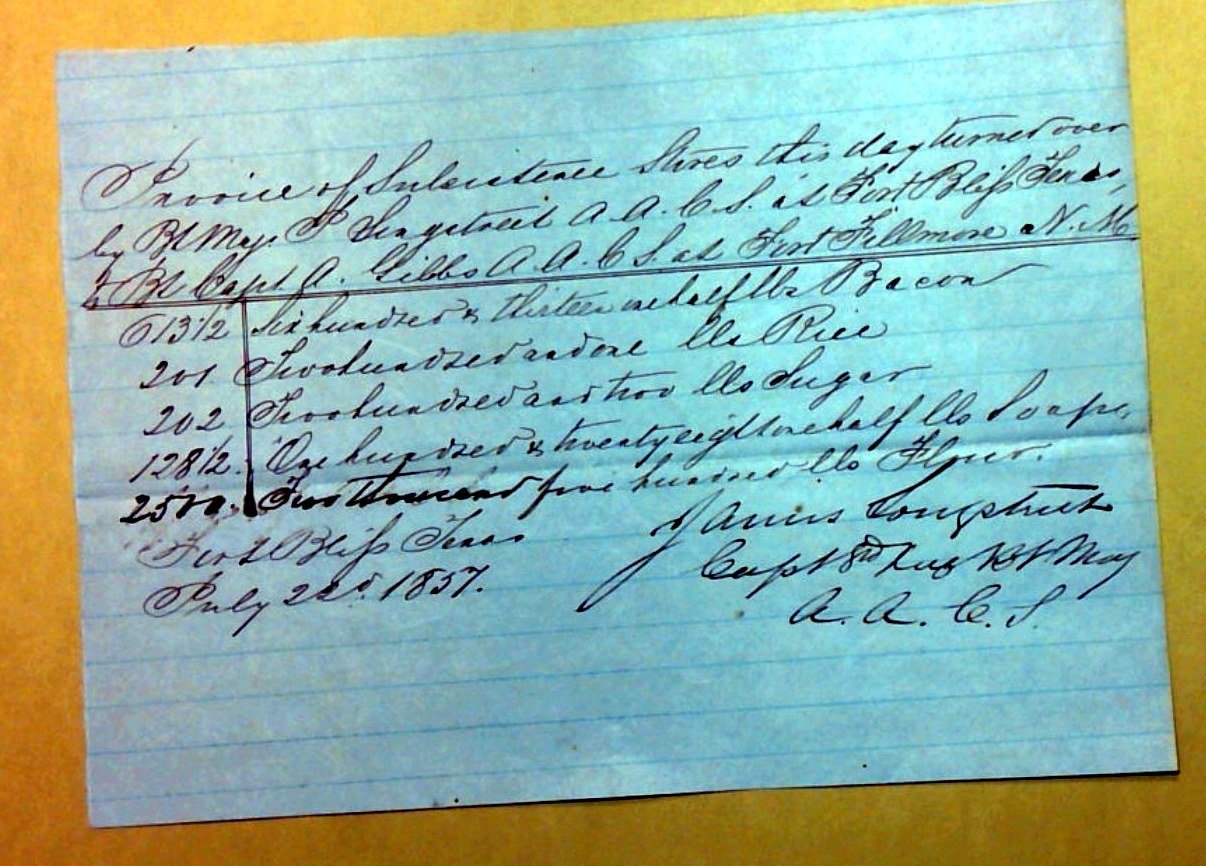
Longstreet signed over supplies to Gibbs before the Civil War. Those mundane transactions recover a working relationship that later battlefield reputations can obscure.
These connections come from the v172 manuscript and existing subject pages. A pension not connected here may still exist elsewhere. Namesakes and uncertain identities are not silently joined.
Follow the words into the evidence
What caught your attention?
Find a line from your reading, then follow its document and the record around it. Matching words helps locate evidence; checking who wrote them, when, and why helps you understand it.