The book is finished.GIBBS: The Forgotten Warrior of the First New York Dragoons, by Garland H. Green Jr. How to order is coming soon; you can reserve a copy now. Reserve a copy →
Follow a letter, report, recollection or family record beyond the passage in the book. Each source below shows where the chapter uses it and what to examine. Open it here, compare its pages, and return without losing your chapter.
Begin with a question: What can a picture of 1776 actually tell us?
Go beyond the book · Melted Majesty
From a fallen statue to a family story
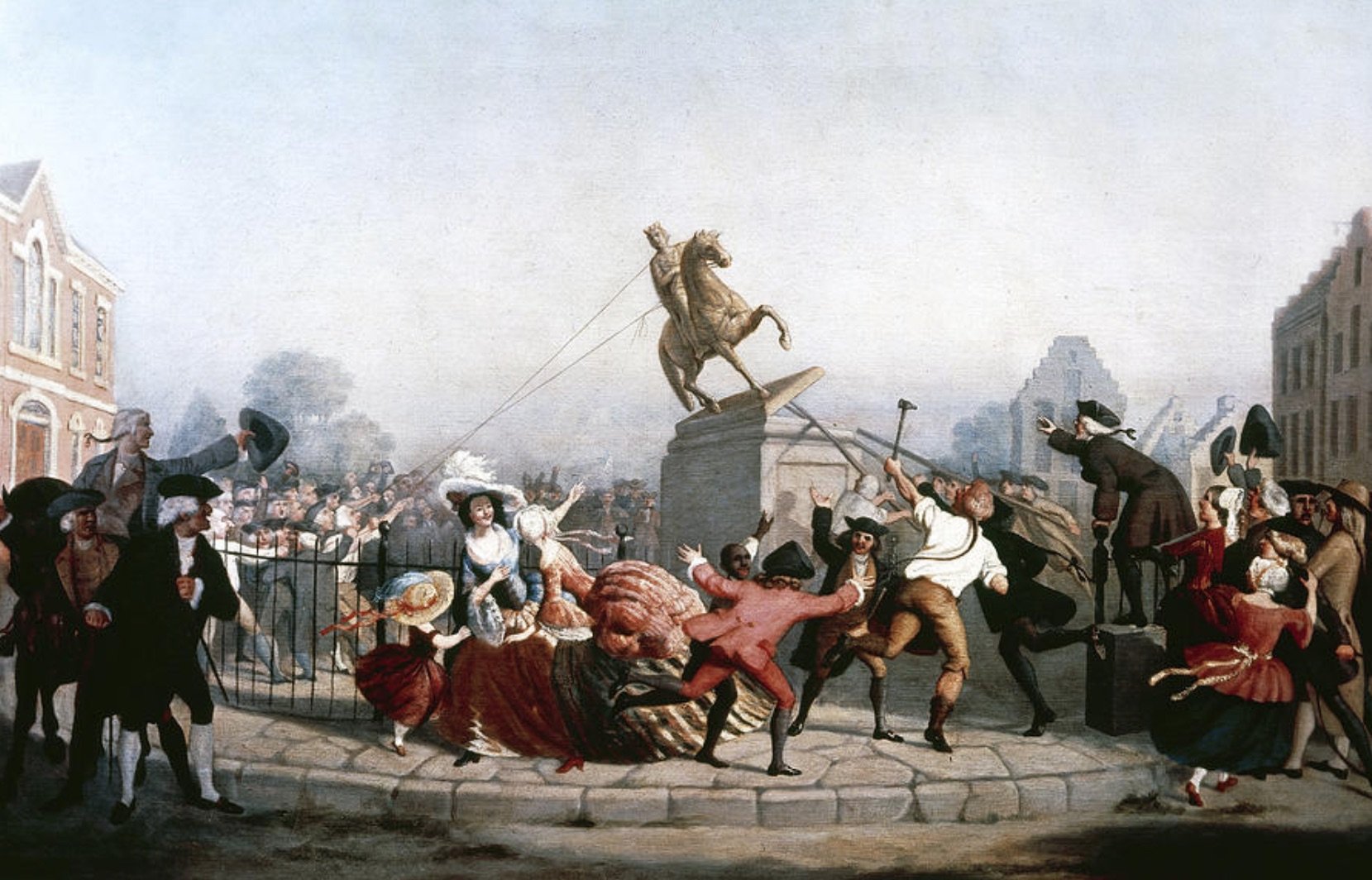
The prologue begins before Alfred was born, with a royal monument pulled down in New York and its lead carried into the Wolcott family’s Revolutionary story. Begin by separating the event, the family tradition, and later pictures of it.
New to these records? A little context.
A research account can combine historical documents, later recollections, images, and the author’s interpretation. Start with its source notes and captions. Ask who made each item, when it was made, and what kind of question it can answer.
What can a picture of 1776 actually tell us?
William_Walcutt_statue_George_III · From the linked account. Its original credits and image status are preserved there.
Read the source exhibit & its explanation
The statue and the Wolcott family
This account introduces the statue and the Litchfield connection, with further readings and images. It is a later narrative, not an eyewitness document from the night the statue fell.
What to examine: Compare the dates attached to the event and the pictures. Follow the account’s references before treating a dramatic scene as evidence of exactly what happened.
Keep this distinction in mind: A later illustration can help imagine a scene without establishing its details. The linked narrative is a starting point, not a substitute for the underlying records.
Keep your question in view as you explore. The reading tray retains Melted Majesty. Close it to return to this point, or deliberately choose to explore outside the chapter.
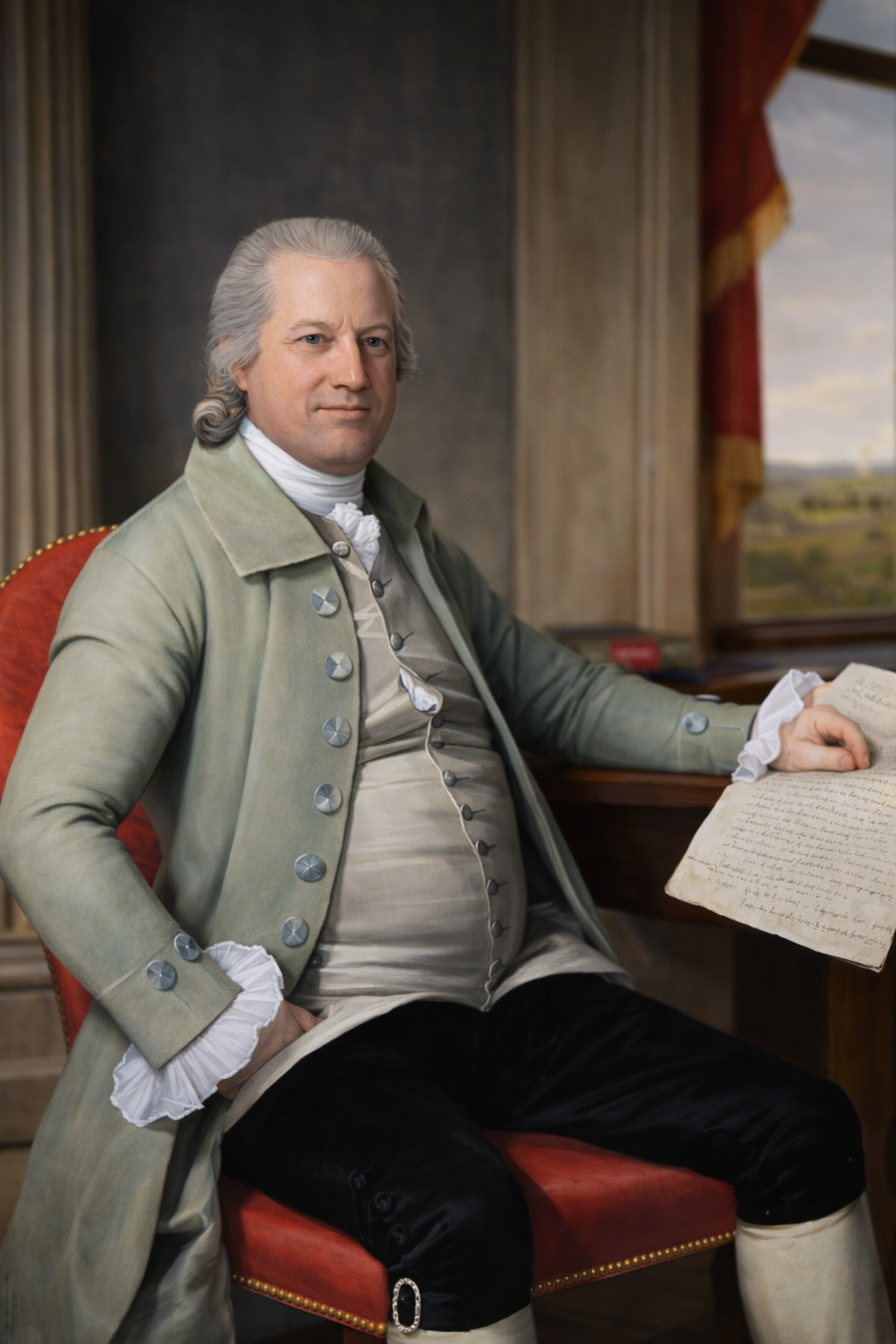
Portrait of Connecticut Founding Father Oliver Wolcott by the American painter Ralph Earl
Open this item for a closer view. For its meaning, citation and any transcription, read the research page that reproduces it. This collection can contain portraits, maps and enhancements as well as original records.
Open this item for a closer view. For its meaning, citation and any transcription, read the research page that reproduces it. This collection can contain portraits, maps and enhancements as well as original records.