
Captain Richard Goodladd: Master of the Mathew and Pioneer of Maritime Expansion
Captain Richard Goodladd’s legacy as a maritime leader is deeply intertwined with England’s colonial ambitions and the development of transatlantic navigation during the 17th century. Known for his role as the owner and master of the ship Mathew (also spelled Matthew), Goodladd’s voyages played a critical role in transporting settlers to the burgeoning English colonies in the Caribbean and the Americas. His story is one of loyalty to the Crown, professional recognition, and dedication to the safety of maritime endeavors.
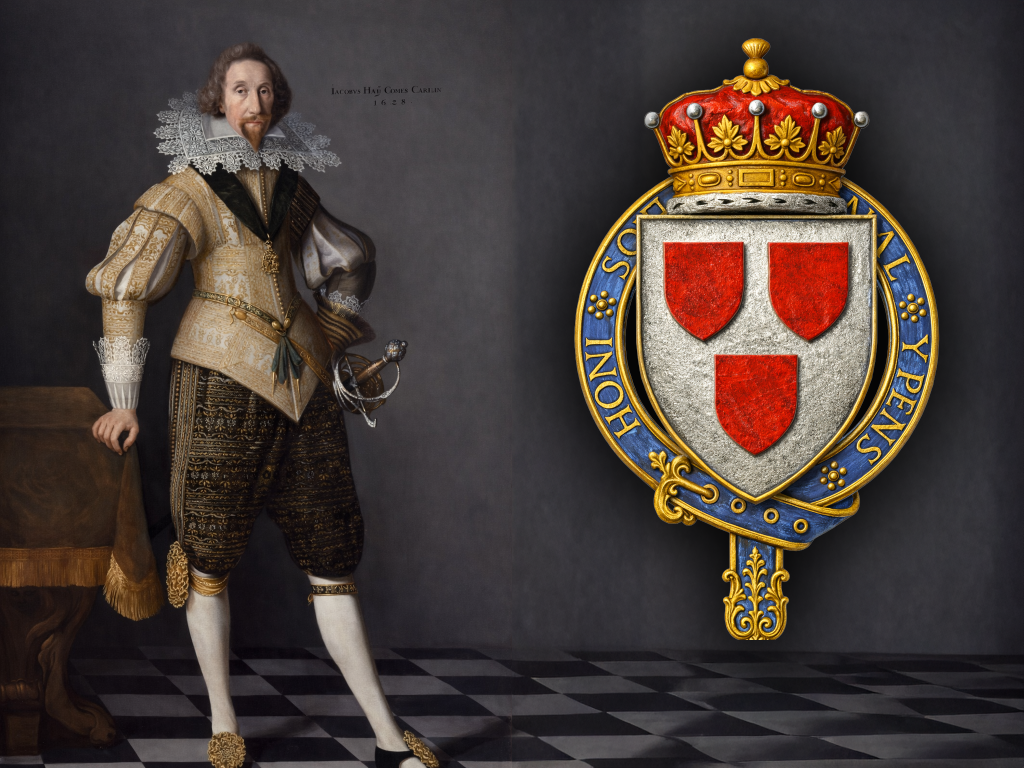
A Warrant from the Earl of Carlisle
Richard Goodladd received formal authorization from the Earl of Carlisle, James Hay, to transport passengers across the Atlantic. This authorization, known as a warrant, was a requirement for ships engaging in colonial voyages. At the time, the Earl of Carlisle held proprietary rights to several Caribbean islands, including St. Christopher’s (St. Kitts), making Goodladd’s voyages part of the broader English efforts to colonize and develop these territories. Before departing, passengers and shipmasters, including Goodladd, were compelled to take oaths of allegiance to ensure loyalty to the Crown and conformity to the Church of England.
The ship Mathew of London, under Goodladd’s command, is particularly noted for its voyage from London on May 21, 1635, bound for St. Christopher’s. Among its passengers was Katherin Armstrong, representing the diverse group of settlers, servants, and workers who were instrumental in establishing England’s colonial presence.
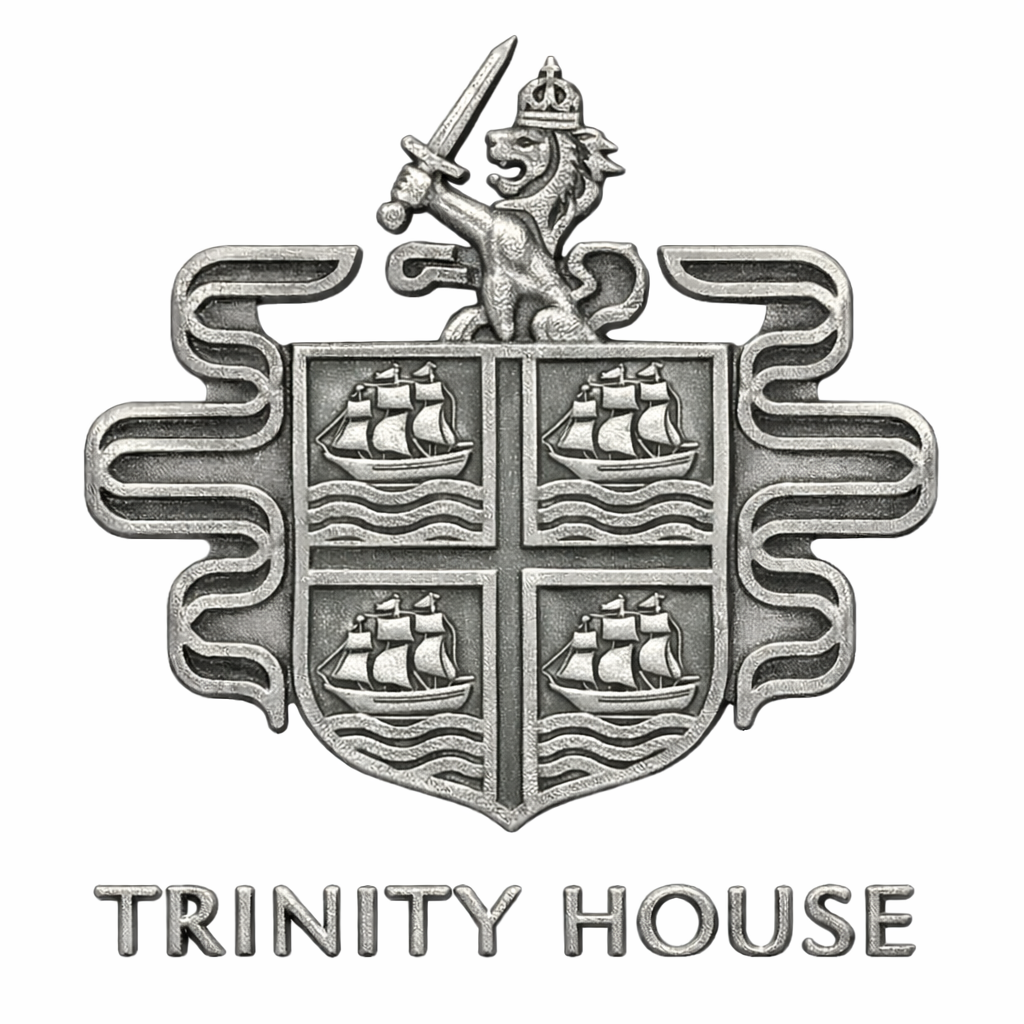
A Brother of Trinity House
In addition to his role as a shipmaster, Richard Goodladd was a Brother of Trinity House, an organization that played a pivotal role in England’s maritime infrastructure. Founded in 1514 under a royal charter from King Henry VIII, Trinity House was responsible for:
Navigation Safety: Managing lighthouses, buoys, and beacons to ensure safe passage along England’s coasts.
Mariner Licensing: Examining and licensing shipmasters to uphold high standards of seamanship.
Charitable Aid: Providing support to mariners and their families, particularly in times of hardship.
Membership in Trinity House was a mark of prestige, indicating that Goodladd was recognized as a skilled and trustworthy mariner by both his peers and the Crown. His association with this institution underscores his influence in maritime and colonial ventures, as well as his commitment to improving navigation and safety.
Richard Goodladd’s Role in Maritime Expansion
Goodladd’s voyages aboard the Mathew were more than mere transportation—they were part of a larger narrative of England’s maritime and colonial ambitions. As both owner and captain of the Mathew, he embodied the entrepreneurial spirit of the time, balancing commerce, exploration, and national service. His involvement in these transatlantic ventures highlights several key aspects of 17th-century maritime history:
Authority and Trustworthiness: Goodladd’s dual role as owner and master of the Mathew, combined with his membership in Trinity House, positioned him as a reliable figure in the competitive and high-risk world of colonial transport.
Access to Influential Networks: Through his connections with the Earl of Carlisle and Trinity House, Goodladd had access to powerful individuals and organizations, which likely facilitated his ventures.
Support for Colonial Expansion: His work aligned with England’s strategy to establish and sustain colonies in the Americas and the Caribbean, contributing to the economic and strategic growth of the empire.
Historical Context: The Earl of Carlisle and St. Kitts
The Earl of Carlisle’s proprietary rights over St. Kitts and other Caribbean islands were central to England’s efforts to challenge Spanish and French dominance in the region. Ships like the Mathew, under Goodladd’s command, were instrumental in these efforts, ferrying settlers and supplies to the colonies. These voyages helped lay the groundwork for the thriving plantation economies that would come to define the Caribbean in later centuries.
Comparison to William Goodlad
It’s worth noting that another mariner, William Goodlad (with a single ‘d’), was a prominent figure in England’s maritime history. William Goodlad served as the Master of Trinity House in 1634 and was renowned for his role in the Arctic whaling industry. Despite the similarity in names and their shared maritime careers, there is no confirmed familial connection between William Goodlad and Richard Goodladd. The distinction between the two highlights the diverse opportunities available to English mariners during this period, from whaling in the Arctic to colonial transport in the Atlantic.
Legacy of Trinity House
Trinity House remains a vital institution in England’s maritime heritage. Today, it oversees more than 60 lighthouses and continues its charitable work for mariners. Its enduring legacy reflects the organization’s importance in shaping maritime safety and navigation—a legacy to which Richard Goodladd contributed during his lifetime.
Final Thoughts
Captain Richard Goodladd’s life and career encapsulate the adventurous spirit and dedication of 17th-century English mariners. From his voyages aboard the Mathew of London to his prestigious role as a Brother of Trinity House, Goodladd exemplified the qualities of leadership, loyalty, and innovation that were essential to England’s maritime success. His story serves as a testament to the individuals who navigated the complexities of transatlantic travel, colonial expansion, and maritime safety, leaving a lasting impact on history.
RESEARCHER’S NOTE:
In the 17th century, Trinity House was structured into two primary classes of membership:
Elder Brethren: This group constituted the governing body of the corporation. Initially composed of 13 members, a Master, four Wardens, and eight Assistants, the number was increased to 31 in 1604. The Elder Brethren were responsible for overseeing the organization’s operations, including the examination and regulation of pilotage, the establishment and maintenance of navigational aids like lighthouses and buoys, and advising on maritime disputes. They were typically experienced mariners or naval officers and held their positions for life.
Younger Brethren: This larger group supported the Elder Brethren and was composed of individuals from various maritime sectors, including the Royal Navy, Merchant Navy, pilots, and harbor masters. By 1629, there were approximately 254 Younger Brethren, many residing in maritime communities around Stepney or Rotherhithe. They contributed to the organization’s charitable activities, participated in the election of the Master and Wardens, and provided valuable assistance and advice on operational matters. Membership as a Younger Brother was considered prestigious and indicated a recognized standing within the maritime community.
The progression from Younger to Elder Brother was a mark of distinction, reflecting an individual’s contributions and standing within Trinity House and the broader maritime sector. This hierarchical structure ensured that experienced and respected mariners guided the organization’s mission to promote safe navigation and support for seafarers.
Given the historical records, if Richard Goodladd was associated with Trinity House, he would have been part of this esteemed fraternity, contributing to its mission of ensuring maritime safety and supporting the seafaring community.
RESEARCHER’S NOTE 2:
The Oath of Allegiance required during the 17th century for emigrants and mariners was a formal declaration of loyalty to the English Crown and adherence to the Church of England. The wording of the oath varied slightly depending on the time period and context, but the core elements remained consistent. Below is an example of the wording used during the reign of James I and Charles I, which aligns with the historical context of Richard Goodladd and the Mathew:
The Oath of Allegiance (1606 version, adapted for colonial emigrants and mariners):
“I, [name], do truly and sincerely acknowledge, profess, testify, and declare in my conscience before God and the world, that our Sovereign Lord King [name of reigning monarch] is lawful and rightful King of this realm and of all other His Majesty’s dominions and countries; and that the Pope, neither of himself nor by any authority of the Church or See of Rome, or by any other means with any other, hath any power or authority to depose the King or to dispose of any of His Majesty’s kingdoms or dominions, or to authorize any foreign prince to invade or annoy him or his countries, or to discharge any of his subjects of their allegiance and obedience to His Majesty, or to give license or leave to any of them to bear arms, raise tumult, or to offer any violence or hurt to His Majesty’s royal person, state, or government, or to any of His Majesty’s subjects within His Majesty’s dominions.”
This oath required both a verbal acknowledgment and a signature (or mark) if the person was literate. It served as a tool to affirm loyalty to the monarch while explicitly rejecting the Pope’s authority, critical during a time of tension between Protestant England and Catholic powers.
The Oath of Supremacy:
This oath accompanied the Oath of Allegiance and focused specifically on adherence to the Church of England:
“I, [name], do declare that the King’s Majesty is the only Supreme Governor of this Realm, and of all other His Highness’s Dominions and Countries, as well in all Spiritual or Ecclesiastical things or causes, as Temporal; and that no foreign prince, person, prelate, state, or potentate hath or ought to have any jurisdiction, power, superiority, preeminence, or authority ecclesiastical or spiritual within this realm.”
These oaths were required for anyone emigrating or embarking on voyages under English rule to ensure their loyalty to both the Crown and the Protestant faith.
Resources
Trinity House. (n.d.). Elder Brethren. Trinity House. Retrieved January 26, 2025, from https://www.trinityhouse.co.uk/about-us/trinity-house-fraternity/older-brethren
Trinity House. (n.d.). Younger Brethren. Trinity House. Retrieved January 26, 2025, from https://www.trinityhouse.co.uk/about-us/trinity-house-fraternity/younger-brethren
British Parliament. (1606). The Oath of Allegiance. In statutes enacted under King James I. Retrieved from archives and documents of British legal history.
British Parliament. (1534). The Oath of Supremacy. In statutes enacted under King Henry VIII. Retrieved from archives and historical legal records.
Views: 118
Explore the evidence
View this article’s connected sources and media →
About this page
This article was brought over from AlfredGibbs.com. Its preserved text, media and citations remain available for comparison.