

Alexander William Doniphan: A Frontier Leader and Military Strategist
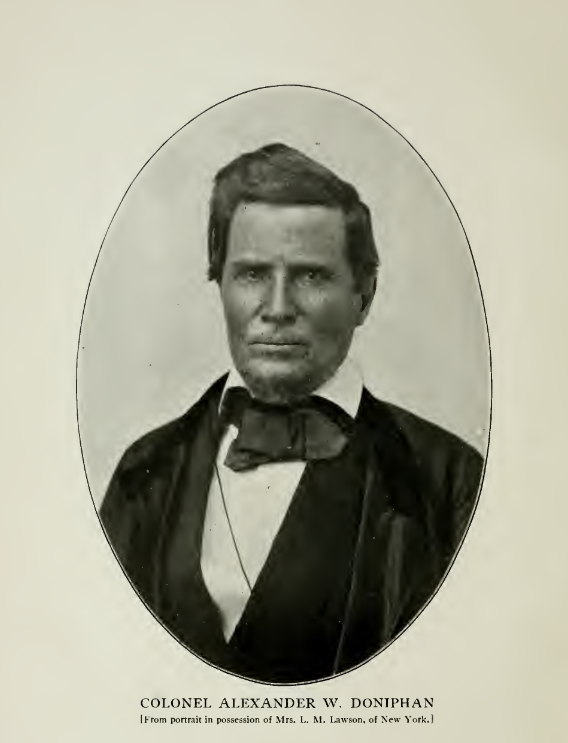
Alexander William Doniphan, a distinguished 19th-century lawyer, politician, and military leader, stands as one of the most notable figures in American frontier history. His contributions spanned several domains, from shaping legal frameworks in Missouri to commanding pivotal campaigns during the Mexican-American War. Doniphan’s legacy remains intertwined with his strategic acumen, advocacy for justice, and dedication to national service.
Early Life and Legal Career
Born on July 9, 1808, in Mason County, Kentucky, Doniphan grew up in a family committed to education and public service. After graduating from Augusta College in 1827, Doniphan pursued law, which became a lifelong vocation. Moving to Missouri in 1830, he settled in Liberty, where his reputation as a formidable attorney and eloquent orator quickly grew. Known for his sharp intellect, he frequently represented clients in complex land disputes and criminal trials, earning the respect of his peers and the local community (Connelley, 1907, p. 12).
In addition to his legal career, Doniphan was deeply involved in the socio-political issues of his time. As an active member of the Whig Party, he championed economic development, infrastructure improvement, and education reform. His early foray into politics set the stage for his later roles in national affairs.
Advocacy for Justice During the Mormon Conflict
Doniphan’s ethical compass and commitment to justice were most evident during the Mormon conflict in Missouri. In 1838, amidst escalating tensions between Mormon settlers and non-Mormon residents, Doniphan was appointed as a brigadier general in the Missouri militia. When Governor Lilburn Boggs issued an order to expel or exterminate the Mormons, Doniphan staunchly opposed it. His refusal to execute Joseph Smith and other Mormon leaders demonstrated his unwavering belief in due process and human rights (Connelley, 1907, pp. 68-70).
This episode solidified Doniphan’s reputation as a defender of the oppressed and a man of principle, even in the face of considerable political pressure. His actions during the Mormon War remain a testament to his integrity and courage.
Military Leadership in the Mexican-American War
Doniphan’s most enduring legacy lies in his military leadership during the Mexican-American War (1846–1848). As a colonel in the First Regiment of Missouri Mounted Volunteers, he led one of the most remarkable campaigns in American military history. Tasked with securing New Mexico and Chihuahua, Doniphan’s regiment traversed over 3,500 miles through hostile terrain, achieving significant victories despite overwhelming odds (Connelley, 1907, p. 234).
One of Doniphan’s most celebrated achievements was the capture of El Brazito on December 25, 1846. Facing a numerically superior Mexican force under Major Antonio Ponce de Leon, Doniphan’s strategic use of rifle fire and disciplined formations led to a decisive victory. Historian William Connelley (1907) notes that this battle demonstrated Doniphan’s tactical brilliance and his regiment’s resilience, characteristics that would define their subsequent engagements.
Following the victory at El Brazito, Doniphan’s forces advanced to capture Chihuahua City in early 1847. This campaign not only secured northern Mexico but also disrupted Mexican supply lines, contributing significantly to the United States’ eventual success in the war. Doniphan’s ability to inspire his troops and adapt to challenging circumstances underscored his effectiveness as a military leader (Connelley, 1907, p. 276).
Diplomatic Acumen and Post-War Contributions
In addition to his military prowess, Doniphan displayed remarkable diplomatic skills during his campaign. He negotiated peaceful settlements with several Native American tribes, ensuring safe passage for his troops and fostering goodwill among diverse communities. His respect for cultural differences and emphasis on mutual understanding set a precedent for future military leaders.
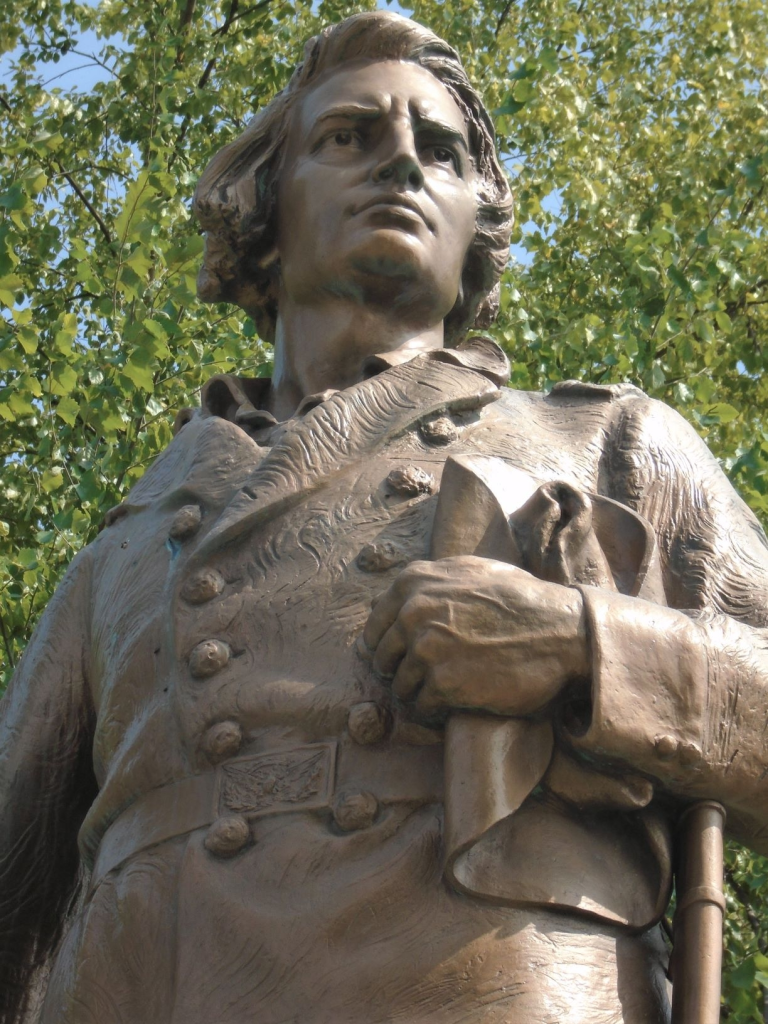
After the war, Doniphan returned to Missouri, where he resumed his legal practice and remained active in public life. He declined several political appointments, including a U.S. Senate seat, choosing instead to focus on local governance and education initiatives. Doniphan’s dedication to civic duty continued to shape his community long after his military service ended.
Legacy and Historical Significance
Alexander William Doniphan’s life exemplifies the ideals of leadership, justice, and service. His actions during the Mexican-American War not only demonstrated his strategic brilliance but also underscored the importance of ethical decision-making in times of conflict. As William Elsey Connelley (1907) observes, “Doniphan’s name is immortalized not by monuments, but by the enduring respect of the people he served” (p. 312).
Doniphan’s contributions extended beyond his military achievements. His advocacy for the rule of law, commitment to education, and efforts to bridge cultural divides left an indelible mark on American history. Today, his legacy is commemorated in the places and institutions that bear his name, serving as a reminder of his enduring impact.

Views: 475
Explore the evidence
View this article’s connected sources and media →
About this page
This article was brought over from AlfredGibbs.com. Its preserved text, media and citations remain available for comparison.