
Table of Contents
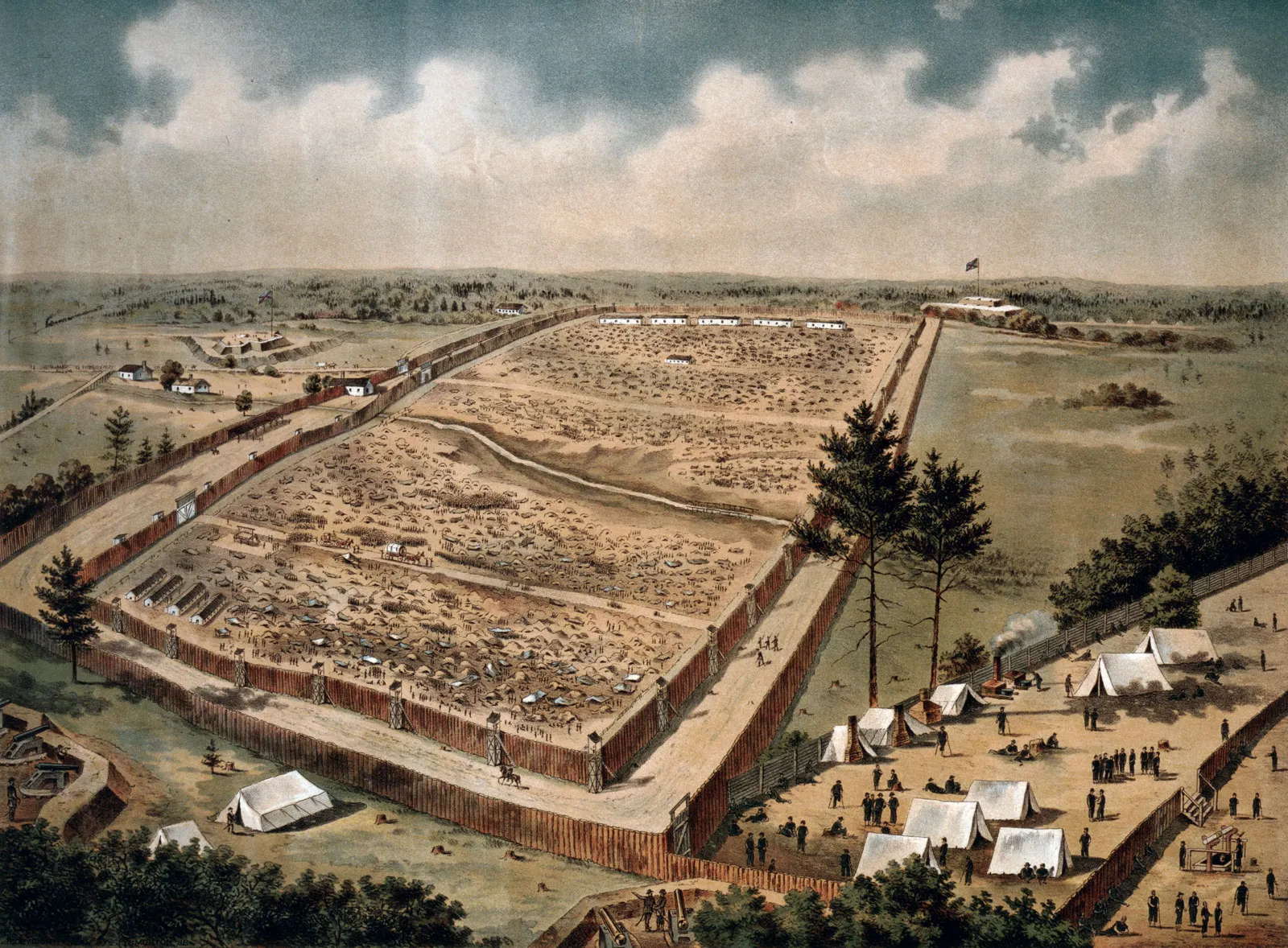
The American Civil War (1861–1865) was a period marked by immense suffering, particularly for prisoners of war (POWs) who endured deplorable conditions in confinement. One such individual was Private Levi Davis Green, a Union soldier who perished in October 1864 at Camp Lawton near Millen, Georgia. His death, attributed to starvation and scurvy, underscores the severe health challenges faced by POWs during this era. This report examines the symptoms and physiological impacts of starvation and scurvy, contextualized through the experiences of Levi Davis Green.
Background
Levi Davis Green, born on January 5, 1842, in Allegany, New York, enlisted in the Union Army during the Civil War. Captured by Confederate forces, he was confined at Camp Lawton, a Confederate prison camp established in October 1864 to alleviate overcrowding at Andersonville Prison. Despite its brief operation, Camp Lawton became notorious for its harsh conditions. In a letter dated January 9, 1865, Levi’s brother, Marvin W. Green, conveyed the grim news to their parents:
“Dear Parents, it is not with pleasure that I write these few lines to you for I have bad news. Levi is dead; he died in Savannah, and what he died with was starvation and he had scurvy.”
This correspondence highlights the dire circumstances that led to Levi’s demise.
Starvation: Symptoms and Physiological Impact
Starvation results from a prolonged deficiency in caloric intake, leading the body to deplete its energy reserves. The progression of starvation can be delineated into several stages, each characterized by specific symptoms and physiological changes (Mayo Clinic, 2023).
Initial Stage (Days 1–3):
- Glycogen Depletion: The body utilizes glycogen stores in the liver and muscles for energy.
- Symptoms: Mild fatigue and hunger pangs.
Adaptation Stage (Days 4–14):
- Fat Metabolism: With glycogen stores exhausted, the body shifts to metabolizing fat reserves, producing ketone bodies as an alternative energy source.
- Symptoms: Increased fatigue, irritability, and muscle weakness.
Late Stage (Beyond Two Weeks):
- Protein Catabolism: The body begins to break down muscle tissue for energy, leading to severe muscle wasting.
- Symptoms: Significant weight loss, edema (swelling), hypotension (low blood pressure), bradycardia (slow heart rate), hypothermia, and compromised immune function.
In the context of Levi Davis Green, the prolonged deprivation of adequate nutrition in Camp Lawton would have precipitated these stages. Initially, he may have experienced persistent hunger and fatigue. As starvation progressed, muscle wasting would have led to profound weakness, making even basic movements arduous. The weakening of the immune system would have rendered him susceptible to infections, compounding his deteriorating health (Mayo Clinic, 2023).
Scurvy: Symptoms and Physiological Impact
Scurvy is a disease resulting from a deficiency of vitamin C (ascorbic acid), essential for collagen synthesis, iron absorption, and immune function. The absence of vitamin C disrupts collagen production, compromising the integrity of connective tissues (Cleveland Clinic, 2022).
Early Symptoms (Within One Month of Deficiency):
- Fatigue: A general sense of tiredness and weakness.
- Malaise: A feeling of discomfort or unease.
- Irritability: Increased sensitivity and mood swings.
Progressive Symptoms (1–3 Months of Deficiency):
- Gum Disease (Gingivitis): Swollen, bleeding gums that may lead to tooth loss.
- Skin Manifestations: Development of petechiae (small red or purple spots due to bleeding under the skin) and ecchymoses (larger bruises).
- Joint and Muscle Pain: Discomfort and swelling in joints and muscles.
- Poor Wound Healing: Delayed recovery from cuts and injuries.
Advanced Symptoms (Beyond Three Months of Deficiency):
- Anemia: Reduced red blood cell count leading to pallor and additional fatigue.
- Edema: Swelling, particularly in the lower extremities.
- Neurological Symptoms: Depression, confusion, and irritability.
- Potential Fatality: If untreated, scurvy can lead to death due to hemorrhages and organ failure (Cleveland Clinic, 2022; Healthline, 2022).
For Levi, the lack of fresh fruits and vegetables in the prison diet would have led to vitamin C deficiency. He likely experienced early signs such as fatigue and irritability, progressing to more severe symptoms like swollen, bleeding gums, and skin lesions. The combination of scurvy and starvation would have exacerbated his physical decline, leading to a weakened state susceptible to infections and other complications.
Interrelation of Starvation and Scurvy
The concurrent occurrence of starvation and scurvy in Levi’s case is indicative of the compounded effects of multiple nutritional deficiencies. Starvation leads to the depletion of macronutrients and energy reserves, while scurvy results from a specific micronutrient deficiency. Together, they create a vicious cycle:
- Immune Suppression: Both conditions impair immune function, increasing vulnerability to infections.
- Delayed Healing: Protein-energy malnutrition from starvation and impaired collagen synthesis from scurvy result in poor wound healing.
- Musculoskeletal Degeneration: Muscle wasting from starvation and joint pain from scurvy lead to severe musculoskeletal weakness.
In the harsh environment of Camp Lawton, the inadequate and unbalanced diet would have precipitated these deficiencies. The lack of medical care and unsanitary conditions further compounded the health challenges faced by prisoners like Levi (Mayo Clinic, 2023; Cleveland Clinic, 2022).
References
Cleveland Clinic. (2022, October 20). Scurvy: Symptoms, causes & treatment. Retrieved from https://my.clevelandclinic.org/health/diseases/24318-scurvy
Healthline. (2022, March 28). Scurvy: Symptoms, risk factors, treatment, recovery, and more. Retrieved from https://www.healthline.com/health/scurvy
Mayo Clinic. (2023). Malnutrition. Retrieved from https://www.msdmanuals.com/home/multimedia/table/how-starvation-affects-the-body
Views: 30
Explore the evidence
View this article’s connected sources and media →
About this page
This article was brought over from AlfredGibbs.com. Its preserved text, media and citations remain available for comparison.