
The Leadership Aftermath of Cerro Gordo
The Mexican-American War and its Influence on Emerging U.S. Leaders.
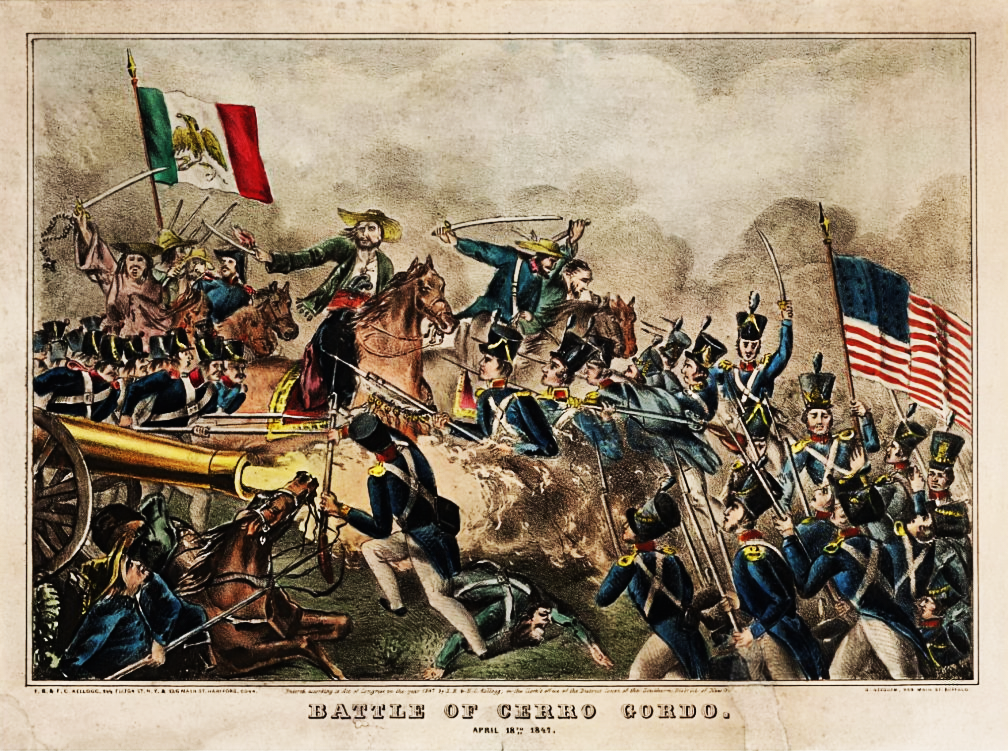
The Battle of Cerro Gordo, fought on April 17 and 18, 1847, was a pivotal engagement in the Mexican-American War that showcased the strategic acumen of General Winfield Scott and the resilience of both the American and Mexican forces. This battle, fought in the rugged terrain of Veracruz, provided Lieutenant Alfred Gibbs, then a young officer in the Regiment of Mounted Riflemen, his baptism by fire. The battle exemplified the complexities of warfare, involving challenging terrain, fierce cavalry engagements, and the tenacity of Mexican forces determined to halt the American advance.
Prior to the battle, Mexican forces, led by General Antonio López de Santa Anna, fortified the heights above Plan del Rio, including the key position of Cerro Gordo. The Mexican army, composed of approximately 13,000 troops, utilized the natural defenses of the area, establishing strong fortifications on the hills to deter the advancing American forces (Kendall, 1851, p. 24). Santa Anna, who had recently suffered defeat at Buena Vista, hoped to regroup and make a determined stand against the Americans, leveraging the steep terrain and well-prepared positions to his advantage (Kendall, 1851, p. 24).
The American forces, under General Scott, were determined to outflank and overpower the Mexican defenses. Scott's plan involved a coordinated assault, including a turning movement through rough terrain to reach the rear of Cerro Gordo—a tactic that ultimately proved decisive. Twiggs' division, including Alfred Gibbs and the Regiment of Mounted Riflemen, played a crucial role in executing this maneuver. Young Lieutenant Gibbs found himself amidst fierce resistance from the Mexican forces, who launched repeated counterattacks in an effort to repel the American advance (Kendall, 1851, p. 25).
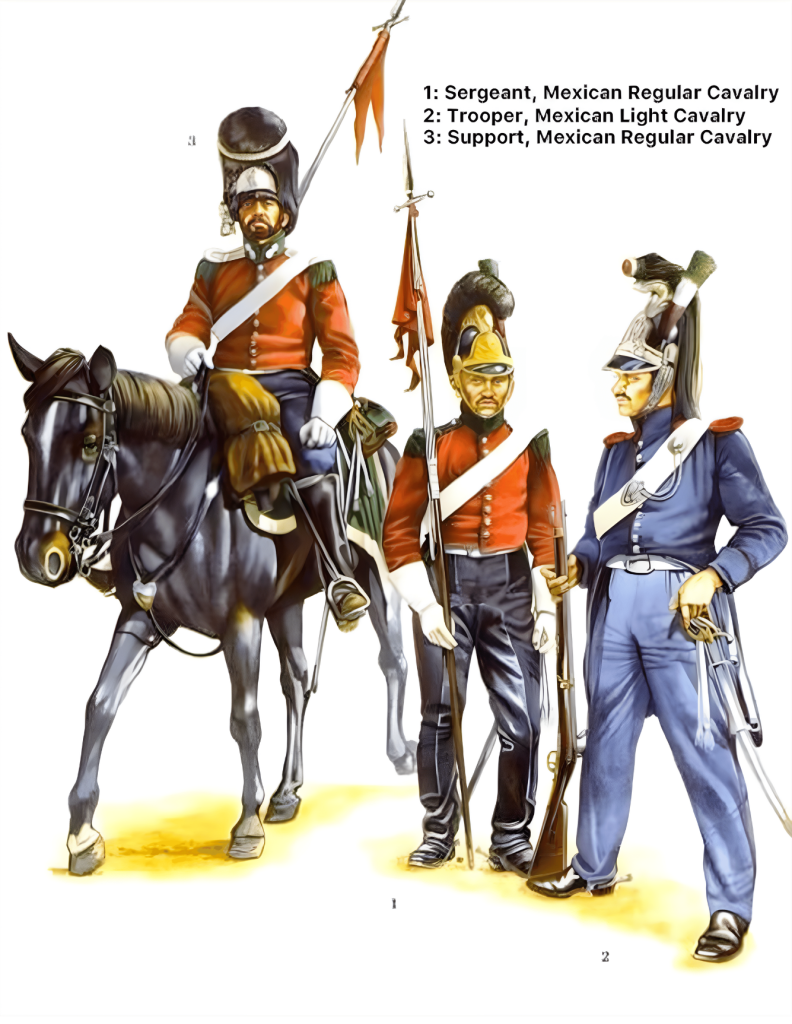
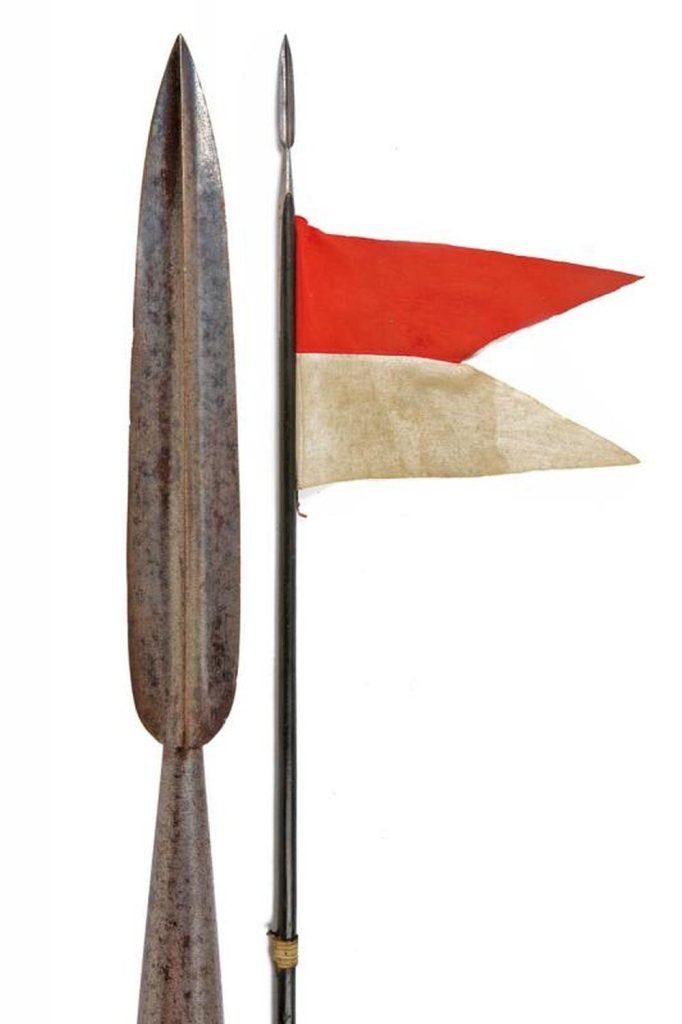
The Mexican lancers, a prominent part of Santa Anna's cavalry, were tasked with launching charges to disrupt the American forces. Contrary to popular belief, the lancers were not merely soldiers armed with long poles; they were elite cavalry units skilled in mounted warfare. The Mexican lancers used their nine-foot lances to devastating effect during close-quarters combat, aiming to scatter the American infantry and disrupt their lines (The Role of the Mexican Cavalry in the Mexican-American War, n.d.). Gibbs, who faced these formidable cavalry units during the battle, was severely wounded by a lance in the abdomen. Despite his injuries, Gibbs continued to fight, supported by his fellow riflemen who used their superior firepower to eventually repel the lancers (Palo Alto Battlefield, n.d.).
The Mexican strategy relied heavily on using the terrain to their advantage. Santa Anna's troops constructed multiple defensive works, including fortifications that covered the approaches to the heights of Cerro Gordo. According to George Wilkins Kendall, "The Mexican commander had erected a line three miles in length, which he was every moment strengthening" (Kendall, 1851, p. 24). The natural obstacles, combined with these well-prepared defenses, made a frontal assault extremely hazardous for the Americans. However, American reconnaissance, led by engineers such as Robert E. Lee, identified a route that would allow them to bypass the main defenses and attack the Mexicans from an unexpected direction (Kendall, 1851, p. 25).
The American assault began on April 17, with General Twiggs' division moving through a newly cut path to the rear of the Mexican positions. By the morning of April 18, American forces had reached a position from which they could effectively launch their attack. Colonel Harney led the assault on the heights of Cerro Gordo, with Lieutenant Gibbs among those in the thick of the fighting. The Mexicans fought fiercely, but the combination of American artillery, infantry assaults, and the effective use of terrain by American forces ultimately overwhelmed them. "Harney's men continued the rugged ascent, the front ranks torn by the storm of missiles beating from the batteries and breastworks above" (Kendall, 1851, p. 25).
The role of the Mexican lancers was significant during the battle, as they were tasked with countering American advances and attempting to disrupt the attacking forces. The lancers charged multiple times, displaying remarkable courage despite facing superior American firepower. However, the U.S. troops, armed with modern rifles and artillery, managed to hold their lines and repel the lancer charges. The effectiveness of American artillery was a key factor in blunting these attacks, as noted by Kendall: "The American guns on the height on the left, which had been plied with great spirit by Hagner and Steptoe, assisted by Seymour and Brown, have just ceased their fire, fearing that the safety of friends might be endangered" (Kendall, 1851, p. 25).
One of the key turning points in the battle was the use of artillery and the coordinated assault led by Colonel Harney. The American forces were able to bring artillery pieces up to positions that overlooked the Mexican defenses, allowing them to bombard the Mexican troops and weaken their resolve. The psychological impact of this bombardment, combined with the steady advance of American infantry, ultimately led to the collapse of the Mexican lines. The Mexican forces, though numerous, were unable to withstand the combination of disciplined infantry attacks and devastating artillery fire.
The aftermath of the battle saw the complete rout of Santa Anna's forces. American troops captured thousands of Mexican soldiers, along with artillery pieces and significant amounts of military supplies. "Over four thousand stand of muskets, all their cannon, with an immense amount of ammunition and military stores, fell into the hands of the victors" (Kendall, 1851, p. 25). The victory at Cerro Gordo opened the way for the American advance towards Mexico City, with General Scott's army continuing to push deeper into Mexican territory.
For Lieutenant Alfred Gibbs, the Battle of Cerro Gordo was a formative experience. Wounded in action, he demonstrated remarkable resilience, continuing to fight despite his injuries. His actions during the battle earned him recognition, and he would go on to serve with distinction in subsequent engagements. The battle also highlighted the importance of mobility and adaptability in warfare, lessons that Gibbs would carry with him throughout his military career (Cameron, 2010, p. 6).
The Mexican-American War, particularly battles like Cerro Gordo, illustrated the stark differences in military capabilities between the two nations. The Mexican forces, though courageous, were often poorly equipped and lacked the logistical support necessary to sustain prolonged engagements. The Americans, on the other hand, benefited from better training, modern weaponry, and a more cohesive command structure. The Mexican lancers, despite their bravery and skill, were ultimately no match for the firepower and discipline of the American forces.
The legacy of the Battle of Cerro Gordo is one of both tactical brilliance and human endurance. General Scott's ability to outmaneuver and outthink Santa Anna, combined with the bravery of soldiers like Alfred Gibbs, ensured an American victory that paved the way for further advances into Mexico. The battle demonstrated the value of reconnaissance, the effective use of artillery, and the importance of seizing key terrain to gain a tactical advantage. As noted by Dr. Robert C. Cameron, "The Regiment of Mounted Riflemen’s successful storming of Chapultepec earned them the reputation for dash and vigor," a sentiment that was certainly evident in their actions at Cerro Gordo (Cameron, 2010, p. 6).
The Battle of Cerro Gordo serves as an enduring reminder of the complexities and brutal realities of 19th-century warfare. It was a battle defined by steep hills, fortified positions, and the determination of both sides to achieve victory. For the Mexican lancers, it was an opportunity to showcase their valor, even as they faced overwhelming odds. For the American forces, it was a demonstration of tactical innovation and the effective coordination of infantry, artillery, and cavalry. Lieutenant Alfred Gibbs, wounded but unbroken, embodied the spirit of resilience that would characterize the American campaign in Mexico.
References:
Cameron, R. C. (2010). The Horse Cavalry Heritage. ARMOR, March-May, 6-8. https://www.moore.army.mil/ARMOR/Historian/content/PDF/Horse%20Cav%20Heritage%202010.pdf
Emerging Civil War. (2016). Mexican-American War 170th: Battle of Monterrey, pt. 1. Emerging Civil War. https://emergingcivilwar.com/2016/09/21/mexican-american-war-170th-battle-of-monterrey-pt-1/
Kendall, G. W. (1851). The War Between the United States and Mexico Illustrated. D. Appleton & Company.
Palo Alto Battlefield. (n.d.). A Thunder of Cannon. National Park Service. https://www.nps.gov/parkhistory/online_books/paal/thunder-cannon/chap4.htm
The Role of the Mexican Cavalry in the Mexican-American War. (n.d.). Mexicohistorico. https://www.mexicohistorico.com/paginas/The-Role-of-the-Mexican-Cavalry-in-the-Mexican-American-War.html
Explore the evidence
View this article’s connected sources and media →
About this page
This article was brought over from AlfredGibbs.com. Its preserved text, media and citations remain available for comparison.