
Introduction
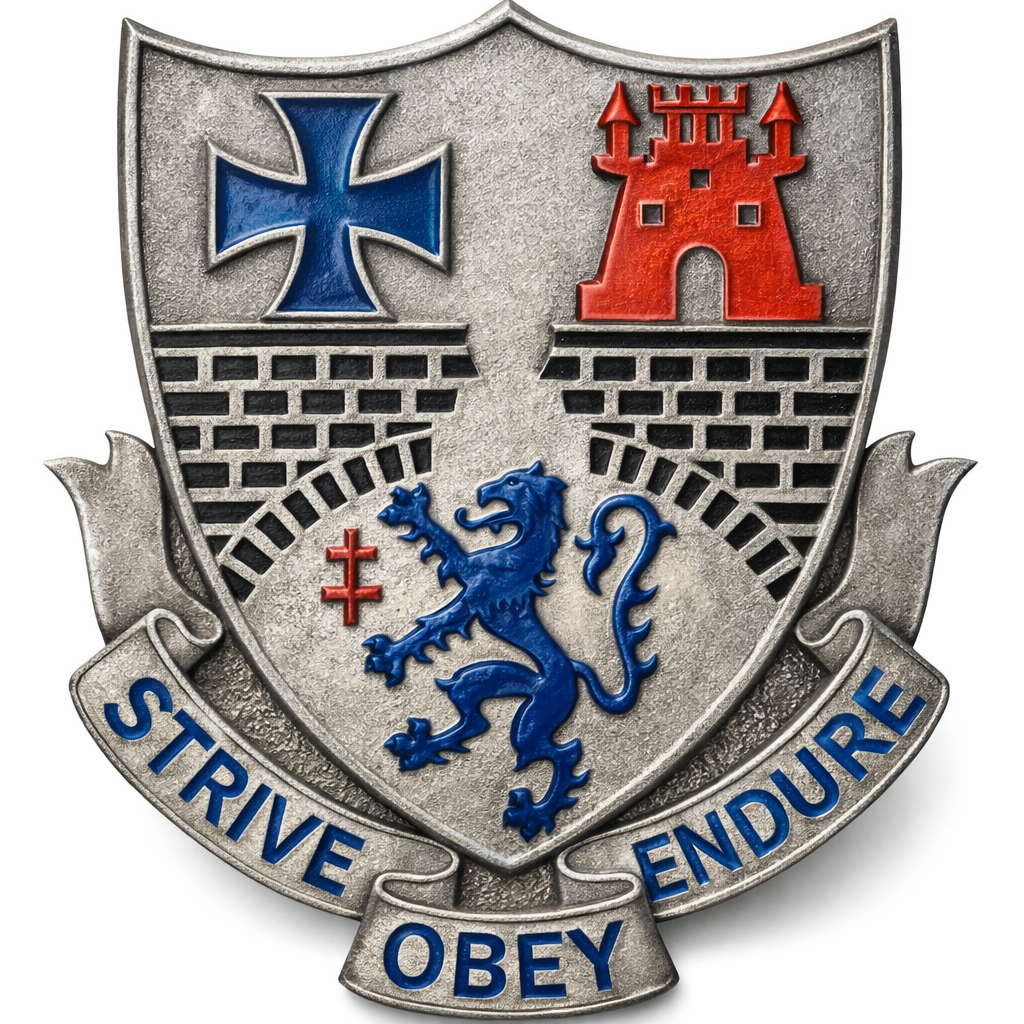
The 112th New York Infantry Regiment, more commonly referred to as the Chautauqua Regiment, was formed in response to President Abraham Lincoln’s call for additional troops during the American Civil War. This regiment, consisting of men primarily from Chautauqua County, New York, was a notable unit for its involvement in numerous key battles, including the Siege of Petersburg and the Cold Harbor Campaign.
Formation and Early Service
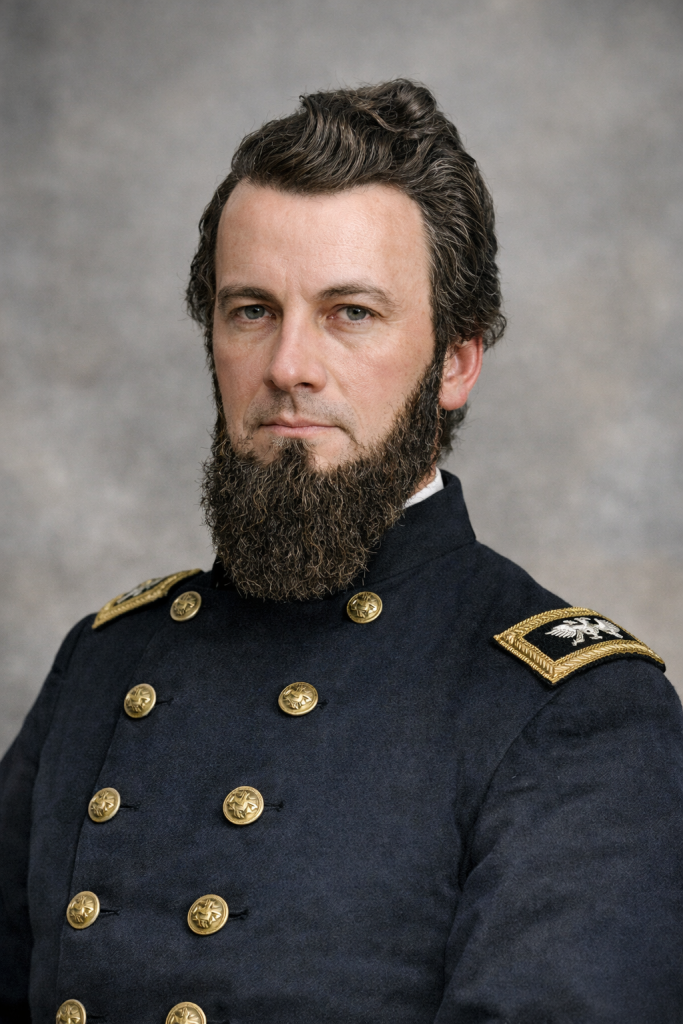
The 112th Infantry was mustered into service in 1862 under Colonel Jeremiah C. Drake. The unit’s formation was part of a broader mobilization of northern states that saw numerous local regiments forming to contribute to the Union’s war effort. The Chautauqua Regiment was initially composed of 1,000 officers and men. They trained in Jamestown, New York, before heading south to join the Army of the Potomac (Hyde, 1866).
After its training period, the regiment was dispatched to Virginia, where it would spend the early part of the war stationed at locations such as Suffolk and Norfolk. During this time, the regiment participated in routine duties, including picket duty and skirmishes (Bushee, 1863). Their first major engagement came in 1863 when they took part in the Siege of Suffolk.
Campaigns in Virginia and South Carolina
From 1863 to 1864, the 112th Infantry was involved in several key campaigns. One of the most significant was their participation in the Siege of Petersburg. This protracted engagement, lasting from June 1864 to April 1865, was pivotal in weakening Confederate forces. The Chautauqua Regiment distinguished itself during this period for its tenacity in the trenches, engaging in numerous skirmishes and assaults on Confederate positions (Hyde & Quinlan, 2015).
The regiment also saw action in South Carolina. During the summer of 1863, they were ordered to Fort Wagner and later participated in the Charleston campaign. The regiment’s participation in these campaigns involved heavy casualties, but their contributions were vital to Union efforts to secure control of Charleston and other strategic locations along the coast (Bushee, 1863). Bushee’s personal diary describes the hardships faced by the regiment during these campaigns, including grueling picket duty and the poor conditions of the camps.
Cold Harbor and Bermuda Hundred
One of the most notable battles in which the 112th New York Infantry was involved was the Cold Harbor Campaign in June 1864. This battle, remembered for its brutal frontal assaults and high casualties, saw significant losses for the regiment. Historian Edward Worman (2017) compiled a list of the regiment’s casualties, cross-referenced with reports from local newspapers, which illustrates the severe toll the battle took on the Chautauqua Regiment.
During the Battle of the Crater at Petersburg, the 112th Infantry was part of the initial success of Union forces before the situation devolved into chaos. Chaplain William Hyde, in letters to his wife, recounted the confusion and panic that followed the explosion of the Confederate fortifications. His letters, now part of the Pearce Civil War Collection at Navarro College, provide a vivid depiction of the intensity of the battle and the hardships faced by Union forces (Hyde, 1864).
Life in Camp and Correspondence
The daily life of soldiers in the 112th Infantry was often monotonous and challenging. Diaries and letters from soldiers such as Charles H. Bushee and Theodore Skinner provide insight into the day-to-day experiences of the regiment’s members. Bushee’s diary, in particular, highlights the long hours of picket duty, the frequent skirmishes with Confederate forces, and the overall fatigue that came from months of campaigning (Bushee, 1863).
Skinner, in a letter dated August 1864, discussed the regiment’s role during the Siege of Petersburg, including the harsh conditions and aborted troop movements that characterized much of the campaign. His correspondence, located at the Library of Virginia, offers a personal look into the rigors of Civil War service (Skinner, 1864).
Impact and Legacy
The 112th Infantry Regiment played a critical role in several significant campaigns of the Civil War. Their bravery and determination, particularly during the Siege of Petersburg and the Cold Harbor Campaign, helped shape the course of the war. Despite heavy losses, the regiment continued to serve until the war’s end in 1865, earning a distinguished place in the history of New York’s military heritage.
Today, the legacy of the Chautauqua Regiment is preserved through historical societies, museums, and the personal writings of its soldiers. Collections such as the Fenton Historical Society’s Civil War archives and the University of Michigan Library’s holdings continue to provide valuable insights into the experiences of the men who served in the 112th New York Infantry.
Final Thoughts
The 112th Infantry Regiment, known as the Chautauqua Regiment, was an integral part of the Union Army during the Civil War. Through its involvement in key battles and campaigns, the regiment contributed significantly to the Union war effort. The stories of the men who served in the regiment, preserved in diaries, letters, and historical records, continue to offer a window into the hardships and sacrifices of those who fought to preserve the Union.
References
Bushee, C. H. (1863). Charles H. Bushee Diary, 1863. University of Virginia Library.
Hyde, W. L. (1866). History of the One Hundred and Twelfth Regiment N.Y. Volunteers. W. McKinstry & Co.
Hyde, W. L., & Quinlan, J. (2015). Armed Only with Faith: The Civil War Correspondence of Chaplain William Lyman Hyde, 112th New York Infantry. McFarland & Company.
Skinner, T. (1864). Letter, August 22, 1864. Library of Virginia.
Worman, E. (2017). 112th New York Casualties at Cold Harbor, VA. Edward A. Worman.
Views: 44
Explore the evidence
View this article’s connected sources and media →
About this page
This article was brought over from AlfredGibbs.com. Its preserved text, media and citations remain available for comparison.