
American Civil War: “Gray-Backs”
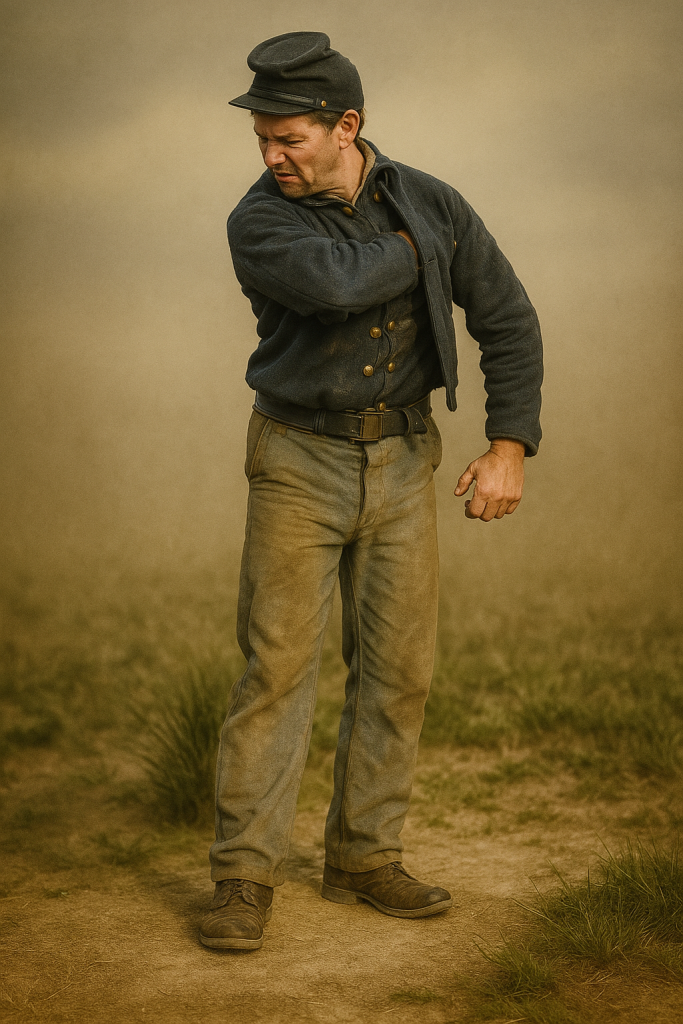
During the American Civil War, soldiers on both sides of the conflict faced numerous hardships, ranging from brutal combat to harsh living conditions. One of the less discussed but ever-present issues was the rampant infestation of body lice, colloquially known as “gray-backs.” This term, used commonly by soldiers, referred to the tiny parasites that thrived in the unsanitary conditions of war, adding another layer of misery to the already difficult life in camp.
Body lice became a widespread problem largely because of the poor hygiene and cramped conditions soldiers endured. With little access to clean water or fresh clothing, and with long periods between baths, soldiers became ideal hosts for lice. Lice thrive in environments where personal hygiene is compromised, and Civil War camps provided the perfect breeding grounds. The soldiers’ wool uniforms, worn for long stretches without washing, offered lice a warm, fibrous haven where they could multiply rapidly.
Lice infestations were uncomfortable and irritating, causing intense itching and discomfort. Soldiers would often scratch their skin raw from the constant irritation, sometimes leading to infections. Moreover, lice were not just a nuisance; they were also vectors for diseases such as trench fever, which was spread through the bites of infected lice and could incapacitate soldiers for days or weeks.
The term “gray-backs” became part of the soldiers’ everyday language, often mentioned with a mix of frustration and humor. Despite the suffering lice caused, soldiers frequently made light of the situation, joking about their “companions” in the trenches. Soldiers on both sides of the conflict shared this grim reality, and lice became a common experience that transcended enemy lines. Union and Confederate soldiers alike faced the unpleasant task of “skirmishing” with lice, a term they used to describe the daily ritual of picking the parasites off their bodies and clothing.
Efforts to combat lice were often ineffective. Soldiers resorted to boiling their clothes to kill the lice or “baking” their uniforms near a fire to try and drive the pests away. However, these methods were only temporary fixes. The lice would quickly return, especially when soldiers were back in the crowded, dirty conditions of their camps. Without consistent access to proper laundry facilities or medical supplies, lice remained an inescapable part of military life.
Beyond the physical discomfort, the prevalence of lice contributed to the general sense of fatigue and low morale among troops. The constant scratching, the risk of disease, and the inability to find relief from the parasites took a toll on the soldiers’ mental health, compounding the stress of combat and life away from home.
In conclusion, “gray-backs” were a constant, unwelcome presence for soldiers during the Civil War, symbolizing the broader hardships of life in the trenches. The lice that infested soldiers’ bodies and clothing were a physical manifestation of the unsanitary conditions that plagued the camps, serving as a reminder that, for many soldiers, the suffering of war extended far beyond the battlefield. Despite their best efforts, soldiers had to accept lice as an inevitable part of their daily lives, enduring the incessant discomfort as they fought in one of the most challenging conflicts in American history.
The Federal Record: A U.S. Army Surgeon, 1863
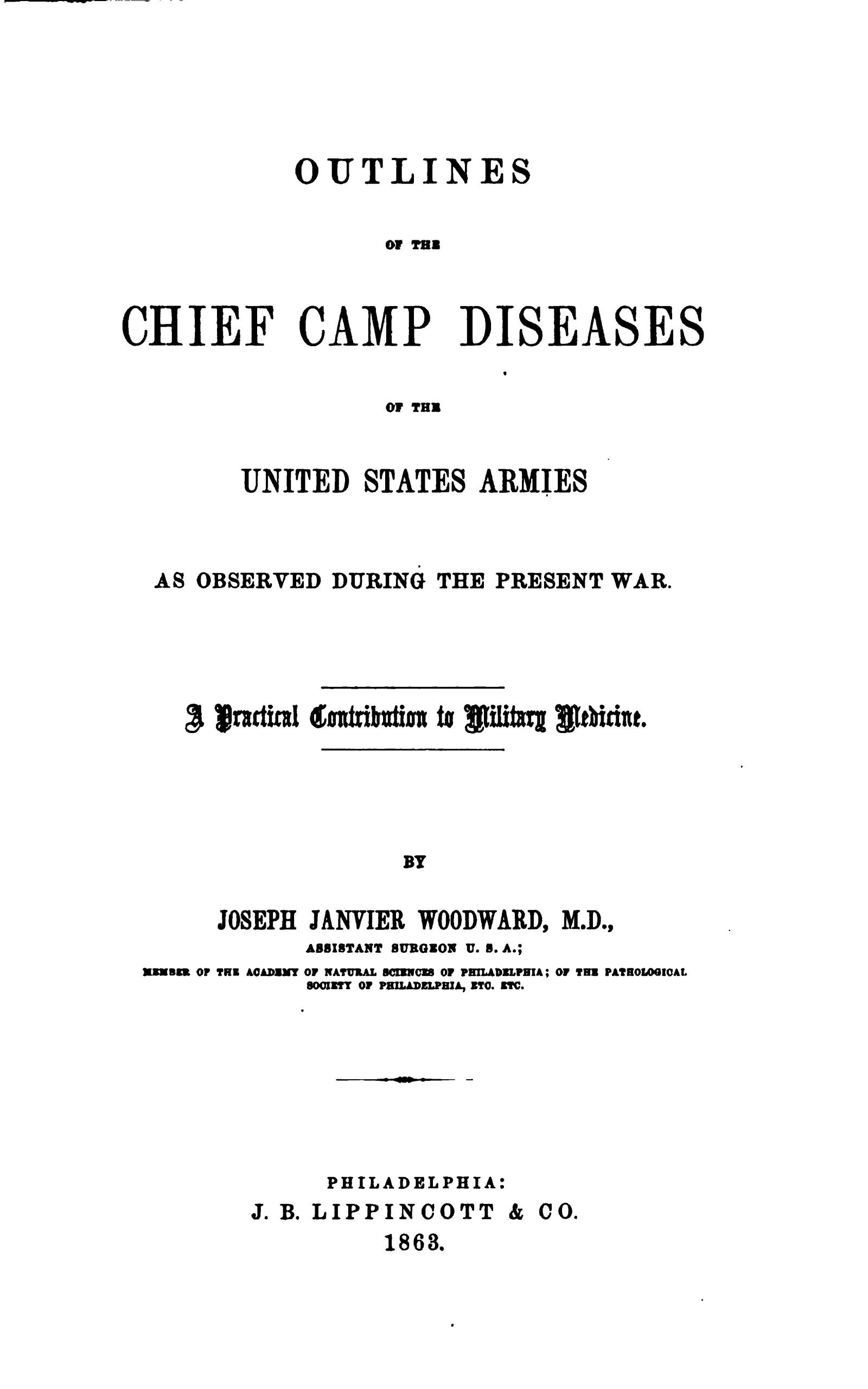
The vivid, everyday word “gray-backs” belongs to the soldiers themselves and survives chiefly in their letters, diaries and memoirs. The federal government’s own medical literature of the war treated the louse more soberly, as “vermin,” a matter of camp cleanliness. The earliest such federal account written during the war is the manual below, prepared by an Assistant Surgeon of the United States Army and published in 1863.
Title page (1863)
Page 141: “the propagation of vermin”
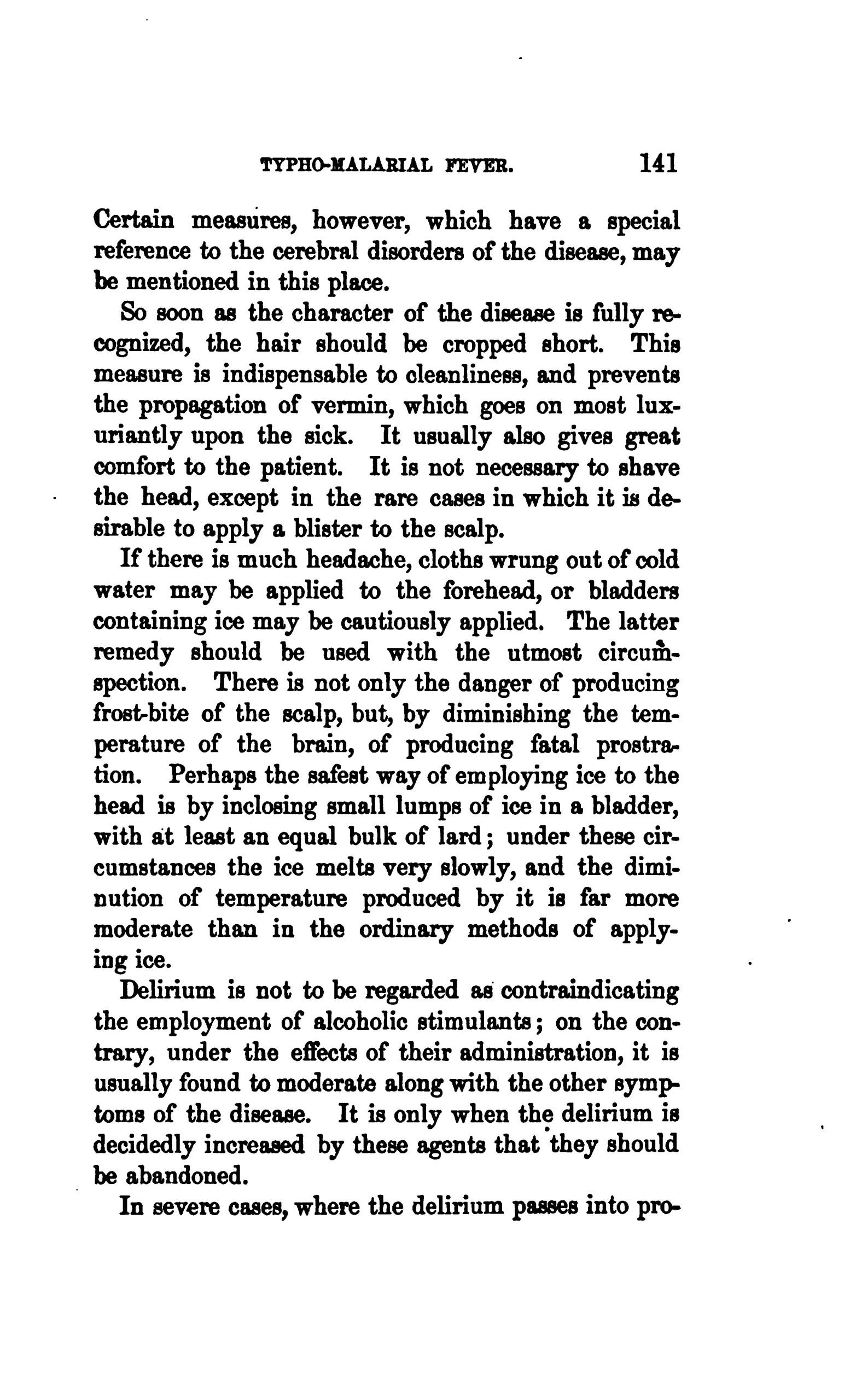
“… the hair should be cropped short. This measure is indispensable to cleanliness, and prevents the propagation of vermin, which goes on most luxuriantly upon the sick.”
Woodward, Outlines of the Chief Camp Diseases, 1863, p. 141.
References
- Billings, J. D. (1887). Hardtack and coffee, or, The unwritten story of army life. George M. Smith & Co. (Source of the illustration above, per the page’s existing attribution.)
- United States Surgeon-General’s Office. (1870 to 1888). The medical and surgical history of the war of the rebellion (1861 to 65). Government Printing Office. https://archive.org/details/MSHWRMedical2
- Woodward, J. J. (1863). Outlines of the chief camp diseases of the United States armies, as observed during the present war: A practical contribution to military medicine. J. B. Lippincott & Co. (Title page; “propagation of vermin,” p. 141.) https://archive.org/details/outlineschiefca00woodgoog
Editorial note. Updated 24 July 2026: added the federal medical record of the war, being the title page and page 141 of Woodward’s 1863 Outlines of the Chief Camp Diseases (U.S. Army), with full-page transcriptions and citations, and reformatted the article as a cited reference page. The original text and illustration were retained.
Views: 106
Explore the evidence
View this article’s connected sources and media →
About this page
This article was brought over from AlfredGibbs.com. Its preserved text, media and citations remain available for comparison.