
George Gibbs to Wolcott Gibbs
Portland, Oregon, Dec. 31, 1852
Happy New Year, Dear Wolcott,
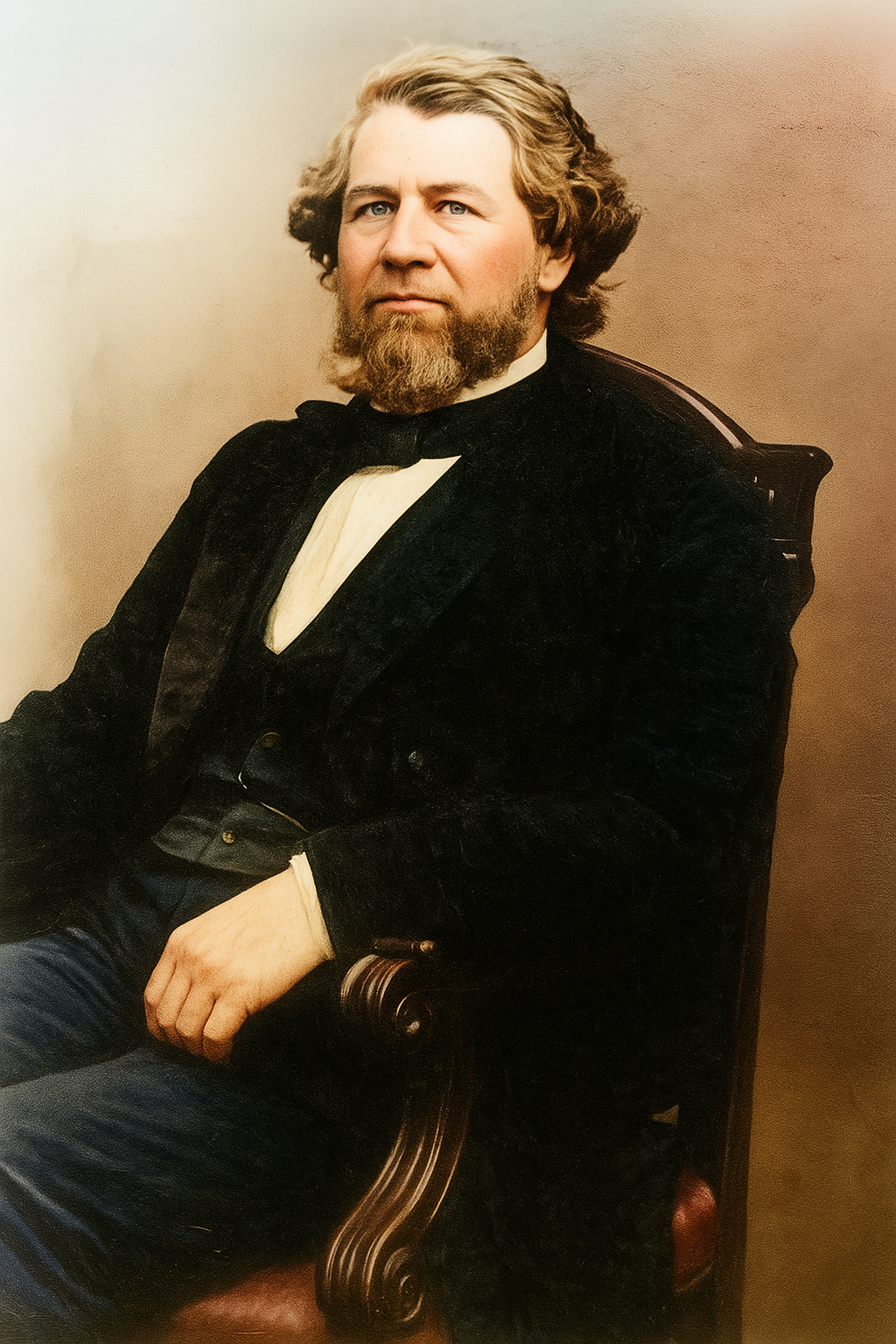
On reaching Oregon City, I found the Judges there returning from court at Salem. They had a confab with Holbrook, the district attorney, and Col. [John B.] Preston, the Surveyor General, and it was determined that I should give bonds there. Accordingly, two of the wealthiest men in Oregon were applied to and consented at once. The bonds were executed, and I took the oath and received my commission. This whole thing was unexpected, as I was unwilling to make an application for the security to men on whom I had no earthly claims, but the other officers were very anxious for me to qualify and took the matter on their own shoulders. The result was the more gratifying as a damned contemptible loco foco—a Methodist missionary had been around cautioning people not to give security for me. This, however, renders me the more anxious that the security required should previously have been furnished at home, in which case I should cancel the Oregon bonds. If, however, I do not get it by this mail, I shall not expect it. Now, if any substantial influence can be made with Pierce to leave me in, well and good—I think I shall have strong military aid and have written to Alfred and Col. Hooker to let them know that I have accepted. The salary etc., are limited to $3,000 not $5,000 as I wrote you.
This has been a very severe spell of weather—the Columbia River frozen up so that I could not go down. Eighteen inches of snow all over the country—all the emigrant and many of the old cattle perished. Thermometer nearly down to zero. It is now a warm rain, and the Willamette rising with great rapidity, and there is danger of a worse flood than in 1849. The suffering among the emigrants is very great, both from their want of preparation for the winter and the dearth and price of provisions—flour is worth $42 per barrel, the usual price being $10 to $12. I trust in heaven the miners who were talking of holding meetings when I came away, will go down in a body and lynch the pack of German Jews who have monopolized it. I scribble this in the express office. I expect to go down to Astoria tomorrow and take possession of the office. Adair is going on to Washington, report says to lobby for the Governorship.
He and Judge Pratt, who is there already, will do all they can to turn me out. I told you that Adair was a defaulter—He is a deceitful and false man to boot, and Pratt an unprincipled rascal, so that if you take any steps, you must look out for them. I shall put things on the most economical footing possible so that there will be no fault to find with my management in any event. In case I get letters in time at Astoria, I will write again by this mail. Meanwhile, love to all. Tell Lidy I will write to her by next steamer.
Yours always,
GEORGE
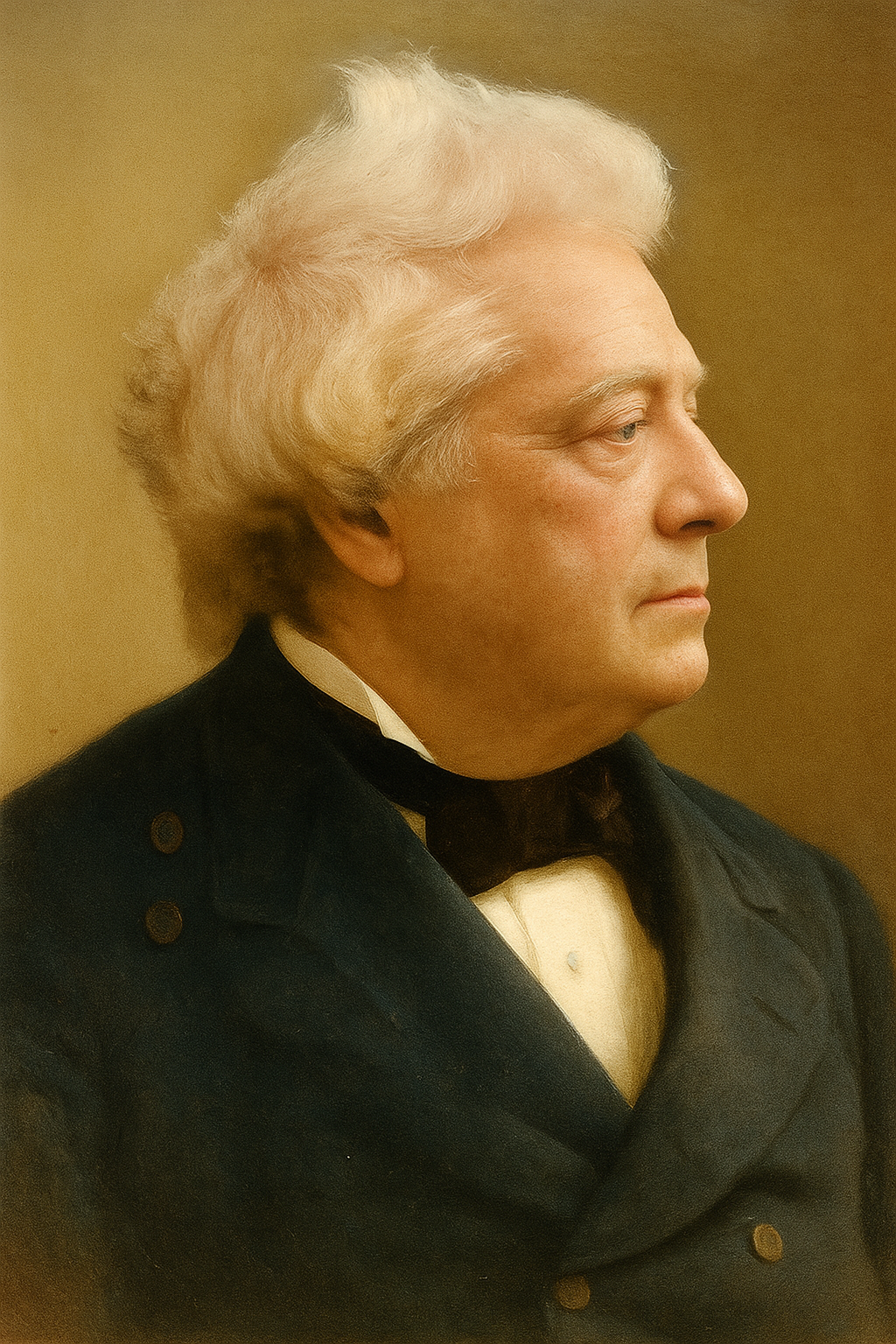
RESEARCHERS NOTE: In this letter Gibbs is cautioning about the deceitful and corrupt nature of Adair and Judge Pratt while mentioning his intent to maintain an impeccable management record despite their attempts to undermine him. He also reassures that he will keep in touch with Lidy, indicating his ongoing communication and concern for his close relations.
George is speaking about Adair, Judge Pratt, and Lidy.
Adair: This refers to John Adair, who was a customs collector at Astoria, Oregon. Gibbs refers to him as a “defaulter,” indicating that Adair had financial discrepancies or was guilty of embezzlement or mismanagement of funds. Gibbs describes him as deceitful and false.
Judge Pratt: This refers to Judge O. C. Pratt, [Orville C. Pratt] who was a judge in Oregon. Gibbs describes him as an “unprincipled rascal,” indicating that Gibbs did not trust him and considered him to lack integrity.
Lidy: This is likely a personal acquaintance or family member of George Gibbs. Gibbs mentions writing to Lidy by the next steamer, suggesting that she is someone close to him to whom he owes correspondence. If anyone has more information on Lidy, please drop me a line with more details.
Views: 19
Explore the evidence
View this article’s connected sources and media →
About this page
This article was brought over from AlfredGibbs.com. Its preserved text, media and citations remain available for comparison.