
History to watch, hear, and investigate
Watch the story.
Follow the evidence.
Meet the people and events behind the research. Each video guide opens a path into the written story, its connected sources, and GIBBS.
Listen one chapter at a time
Bowen’s 1900 regimental history, with chapter introductions, artwork, and research links.
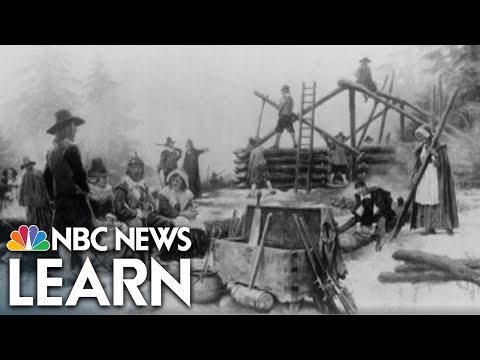
From Gillingham to Quidnessett: The Greene Family’s Journey and Legacy in the New World
Film withdrawn, 23 September 2026. The film “From Gillingham to Quidnessett: John Greene’s Journey” formerly shown here told the story of “Joan Beggarly Greene” as the wife of John Greene of Quidnessett. That identification is disproved (see “His wife, Joan” below), so the film has been withdrawn.
1 video · Open the story →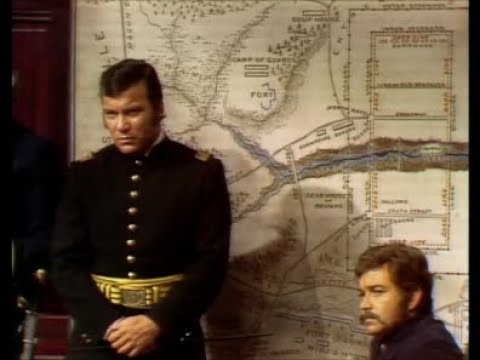
The Trial of Captain Henry Wirz: Part 2 - The Courtroom Drama
The trial of Captain Henry Wirz remains one of the most contentious legal proceedings in American history. Held in Washington, D.C., from August to November 1865, it was the first time in the United States that a military officer was tried for war crimes. As the commandant of Andersonville Prison, Wirz was charged with murder and conspiracy to impair the health of Union prisoners.
1 video · Open the story →The Role of Blacksmiths During the U.S. Civil War
Blacksmiths played an indispensable role in the U.S. Civil War by providing critical support to military operations. They maintained and repaired vital equipment, crafted weaponry, and shoed horses, ensuring that troops remained mobile and well-supplied.
1 video · Open the story →History of Jefferson Barracks (1826-1860)
Jefferson Barracks, located just outside St. Louis, Missouri, was a vital military post from its founding in 1826 through the mid‑19th century. Established in response to growing needs for military presence and training on the western frontier, the barracks played a crucial role in U.S. military operations, especially in the trans‑Mississippi region.
1 video · Open the story →
Major Rufus Scott, of the First New York Dragoons
Rufus Scott, born on October 8, 1838, in Friendship, New York, lived a life deeply rooted in hard work and commitment to education and public service. As a young boy, Scott’s early years mirrored those of countless other farm boys across the United States during that time. He spent his formative years attending a district school year-round until he reached an age when his duties on the farm limited him to the winter sessions only.
1 video · Open the story →Confrontation Between Alfred Gibbs and General Michael Corcoran
The Regimental History of the First New York Dragoons by Reverend J. R. Bowen offers a gripping account of Colonel Alfred Gibbs, whose leadership, bravery, and care for his men stood out during some of the most challenging moments of the Civil War.
1 video · Open the story →
Camp Curtin: The Largest Union Military Camp of the Civil War
Nestled in the northern section of Harrisburg, Pennsylvania, Camp Curtin was much more than just a military training ground during the Civil War. From 1861 to 1865, it became the largest Union Army camp, playing a pivotal role in the mobilization, training, and deployment of hundreds of thousands of soldiers. In addition to being a significant historical site during the Civil War, it laid the foundation for what is now a thriving neighborhood in Harrisburg, rich in history and heritage.
1 video · Open the story →
A Detailed History of the Erie Depot and Railroad Service in Elmira, New York
The history of railroad service in Elmira, New York, is deeply intertwined with the development of the town itself, reflecting the rise and fall of railroads during the 19th and 20th centuries. The Erie Depot, a key symbol of Elmira’s industrial and transportation heritage, has seen various stages of transformation, playing a pivotal role in both local and regional economic growth.
1 video · Open the story →
Comprehensive Report on the Pattern 1853 Enfield Rifle-Musket
The Pattern 1853 Enfield was the 130th New York’s own first weapon. Bowen records the regiment drawing its Enfields at Elmira in 1862 ( ch. I ), and carrying them until the 1863 cavalry conversion, when the men “exchanged everything pertaining to infantry, our Enfield rifles, together with all accouterments and clothing, for the carbine, saber, and revolver” ( the conversion, documented ).
1 video · Open the story →